Northern Lights May Light Up 24 States Tonight
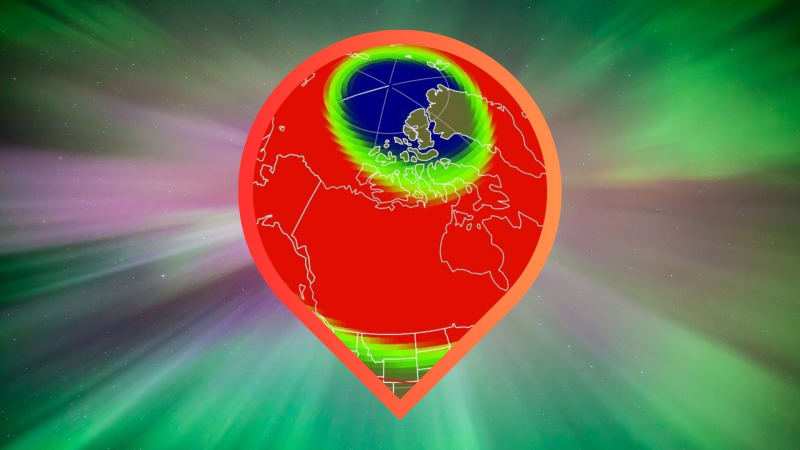
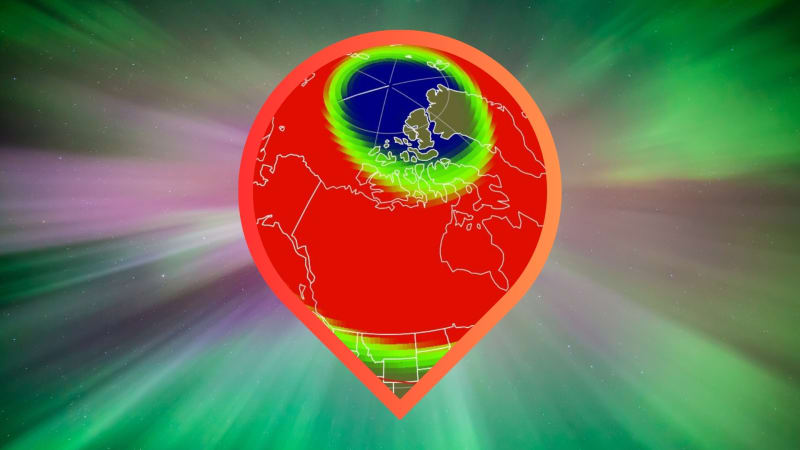
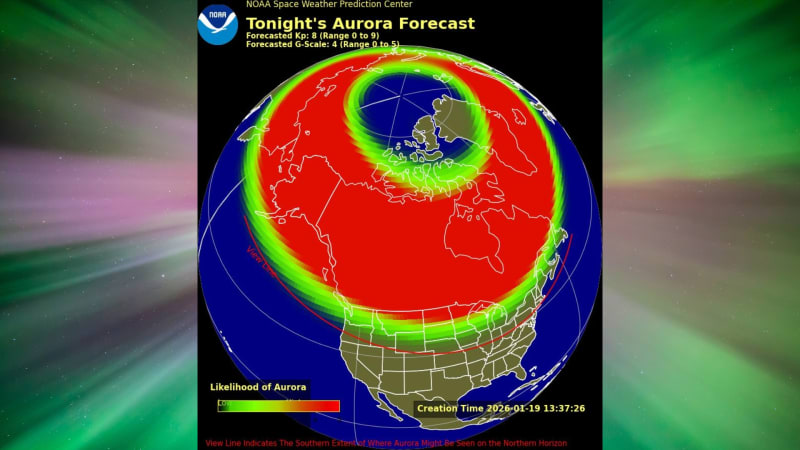
A powerful solar storm is bringing the aurora borealis farther south than usual, potentially visible across 24 states from Alaska to Colorado tonight. Clear skies could mean a spectacular light show for millions of Americans who rarely get to witness this natural wonder.
Tonight might be your chance to see one of nature's most breathtaking displays without leaving your home state.
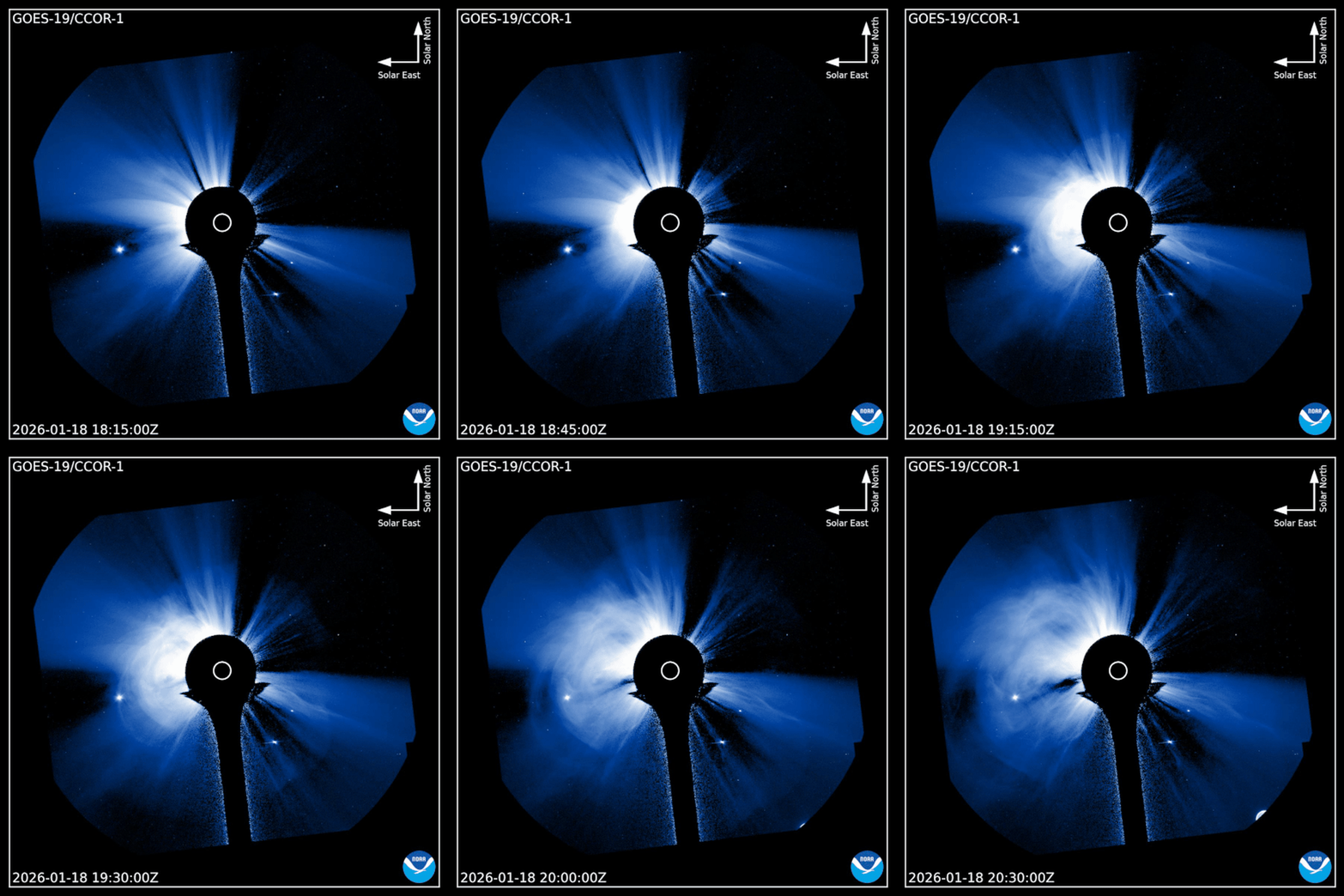
A massive wave of charged particles from the sun slammed into Earth's magnetic field Sunday afternoon, creating severe geomagnetic storm conditions. The impact means the northern lights could dance across skies as far south as Colorado, Missouri, and Pennsylvania through Monday morning.
NOAA's Space Weather Prediction Center confirmed the storm reached severe (G4) levels at 2:38 p.m. EST, earlier than scientists expected. The solar eruption launched from the sun on Saturday, traveling toward Earth at speeds up to 870 miles per second.
Twenty-four states could see the aurora if conditions align perfectly. That includes states like Wisconsin, Michigan, New York, and Maine, plus parts of Nebraska, Iowa, Illinois, Indiana, Ohio, and Pennsylvania that rarely get aurora views.
The catch? The show depends entirely on how the solar storm's magnetic field lines up with Earth's. If the orientation favors us, millions of people could witness shimmering curtains of green, pink, and purple light. If not, the energy deflects harmlessly away.
Why This Inspires
This rare event offers something precious: a shared moment of natural wonder accessible to millions. In our screen-filled lives, the northern lights remind us that the most spectacular shows happen when we look up.
You don't need expensive equipment or special training. Your smartphone camera can often detect the faint glow before your eyes adjust, helping you spot where the magic begins.
The best viewing window runs from 1 a.m. to 4 a.m. EST Monday, though auroras could appear earlier given how quickly conditions intensified. Find a dark spot away from city lights with a clear view north, dress warmly, and give your eyes 30 minutes to adjust to the darkness.
Scientists say geomagnetic activity will continue through Monday evening, though conditions will gradually weaken. Even if clouds block your view tonight, understanding these solar storms helps researchers better predict space weather that affects satellites, power grids, and communication systems.
The sun's 11-year activity cycle is approaching its peak, meaning more opportunities for aurora displays lie ahead. Tonight's storm serves as a beautiful reminder that we live on a planet connected to the wider cosmos, where a sneeze from our star 93 million miles away can paint our skies with light.
Whether you catch the show or not, knowing that nature can still surprise us with unexpected beauty feels like hope we could all use right now.
More Images

Based on reporting by Space.com
This story was written by BrightWire based on verified news reports.
Spread the positivity!
Share this good news with someone who needs it