Northern Lights May Reach Illinois This Weekend
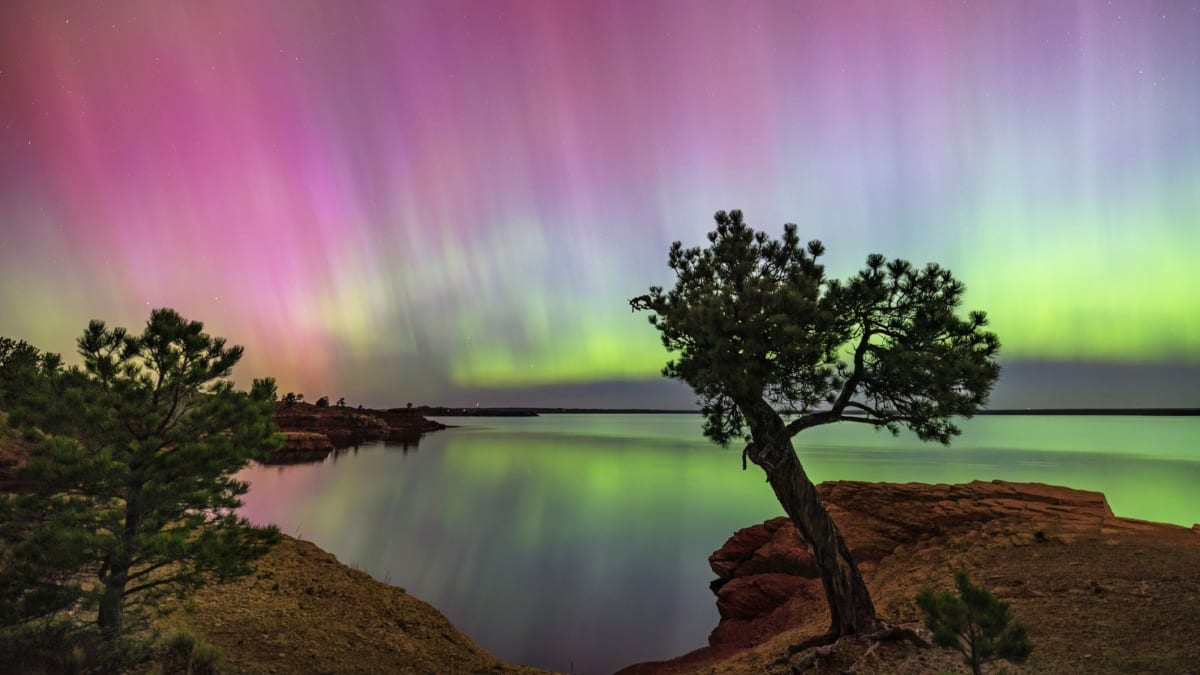
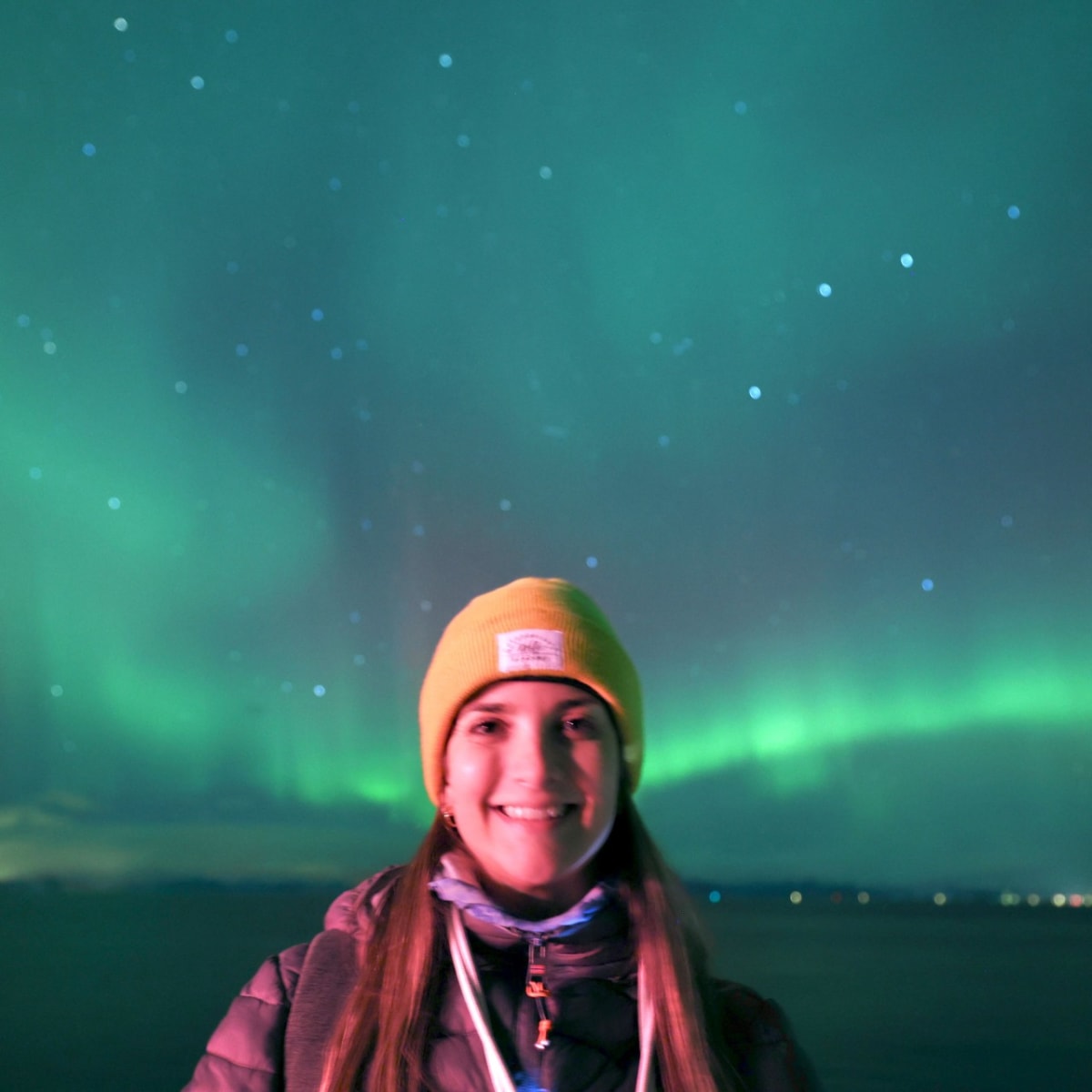
Multiple solar storms heading toward Earth could light up the night sky as far south as Illinois and Oregon this weekend. March's unique cosmic alignment makes it one of the best times all year to catch the dancing colors.
Skywatchers across the United States might get a rare treat this weekend as powerful solar storms head our way, potentially bringing the northern lights to places that rarely see them.
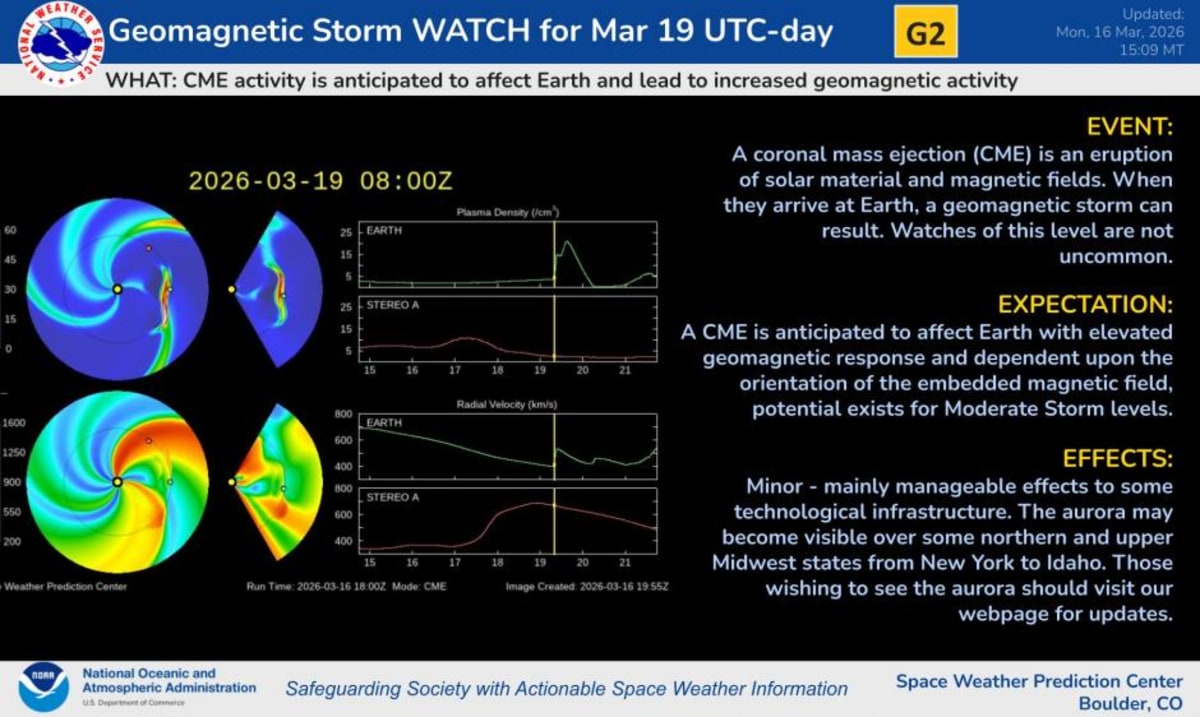
The National Oceanic and Atmospheric Administration issued a geomagnetic storm warning after detecting at least four massive plumes of solar plasma racing toward Earth. These coronal mass ejections launched from the sun earlier this week and could begin hitting our planet's magnetic field as early as late Tuesday night.
The storms are expected to peak between 2:00 a.m. and 8:00 a.m. Eastern time on Wednesday, though forecasters say the show could continue through Friday. That means multiple chances to catch the aurora if clouds block your view the first night.
Under normal conditions, these moderate G2-level storms would push the northern lights as far south as New York and Idaho. But scientists say there's a real chance the storms could strengthen to G3 levels, bringing auroras to Illinois, Oregon, and similar latitudes that almost never see them.
The Bright Side
March turns out to be one of nature's best months for aurora watching, thanks to something scientists call the Russell-McPherron effect. During the spring equinox, Earth's tilt and position in space create a cosmic sweet spot where incoming solar particles can more easily interact with our magnetic field.
For most of the year, our planet's natural tilt helps deflect charged particles from the sun. But around the equinoxes in March and September, that protective shield opens up a bit, letting more solar energy through to create those stunning light displays.
The timing couldn't be better for photographers and astronomy enthusiasts. With multiple waves of solar plasma arriving over several days instead of one quick burst, people will have more opportunities to step outside and look up.
Visibility is never guaranteed during these events. The auroras often appear in short, intense bursts that might last only minutes, and you'll need clear, dark skies to see them. But space weather experts say if your forecast looks clear, it's worth checking the northern horizon after dark.
Apps like "My Aurora Forecast & Alerts" can send real-time notifications based on your exact location, helping you time your viewing during peak activity. Even if the lights don't reach your area, knowing that the sun is putting on this cosmic show for Earth connects us all to something bigger.
Nature's light show reminds us that even 93 million miles away, the sun still finds ways to surprise and delight us.
More Images
Based on reporting by Google News - Science
This story was written by BrightWire based on verified news reports.
Spread the positivity!
Share this good news with someone who needs it