Northern Lights Peaked—Here's Your Last Chance to See Them
After two years of spectacular shows reaching as far south as Florida, the northern lights are beginning their natural fade following their October 2024 peak. Scientists say this rare window for viewing auroras from lower latitudes is closing, but you still have time to catch nature's greatest light show.
The past two years have given millions of people something they never expected to see: the northern lights dancing above their own backyards.
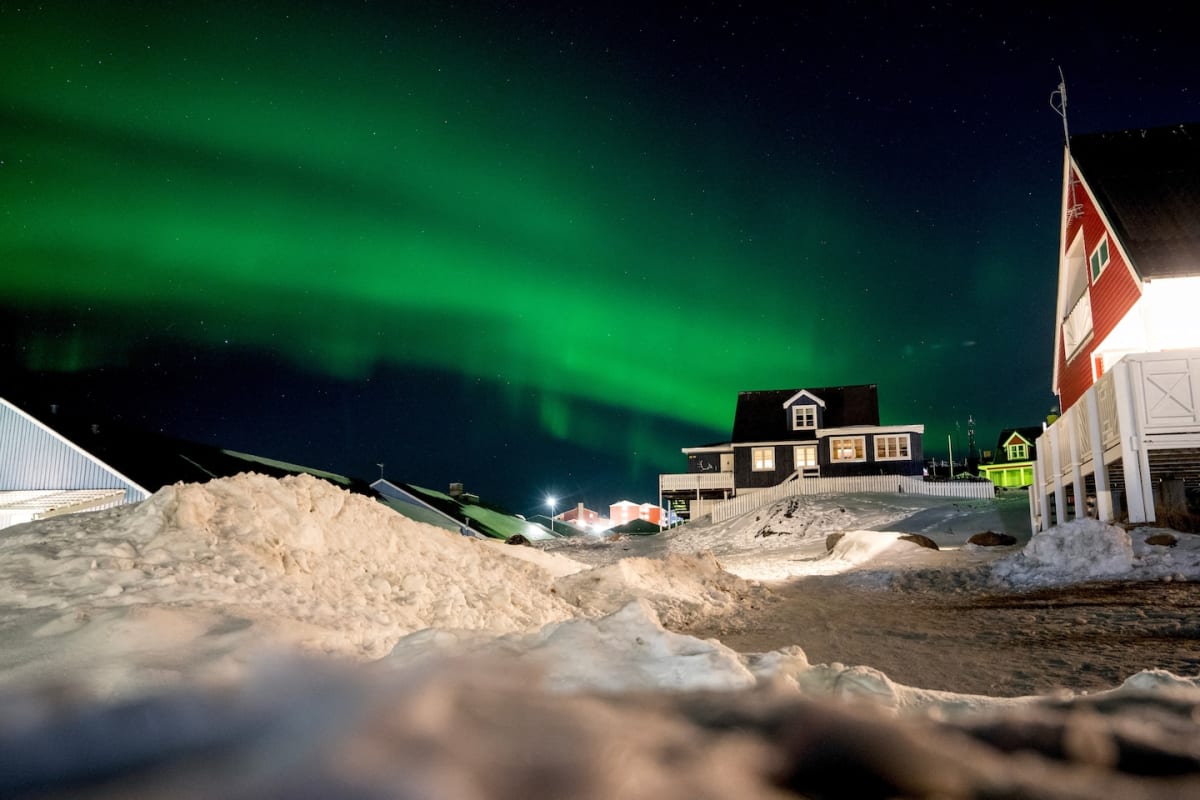
Since 2023, the aurora borealis has put on an unprecedented show, lighting up skies from Florida to Mexico with electric swirls of green, purple, and magenta. City dwellers in San Francisco and Washington looked up to find their urban skies transformed into cosmic canvases.
The displays peaked in October 2024, marking the high point of the sun's natural 11-year cycle. During this solar maximum, increased activity on the sun's surface sends more charged particles streaming toward Earth, creating those breathtaking auroral displays much farther south than usual.
Now, as the sun's activity begins its gradual decline, scientists say the window for southern sightings is starting to close. The lights aren't disappearing overnight, but they're slowly retreating northward to their usual Arctic haunts.
Travel enthusiasts who caught the phenomenon shared their favorite viewing spots. Whitefish Bay in Milwaukee offered stunning views thanks to minimal light pollution. Northern Manitoba became a hotspot for organized aurora tours that turned sky watching into a complete experience. Norway's Arctic regions continued their reign as reliable northern lights destinations.
Why This Inspires
This celestial event reminded us that nature still holds the power to surprise and unite us. People who never imagined seeing auroras in their lifetime suddenly found themselves standing in their driveways, necks craned skyward, sharing photos with friends across the globe.
The phenomenon brought neighbors together on darkened streets, sparked family road trips to darker skies, and reminded everyone that some of the most beautiful experiences in life are completely free. Social media filled with amateur photos capturing brilliant greens and purples, each post a testament to shared wonder.
Scientists encourage aurora enthusiasts not to give up just yet. While the most dramatic southern displays are behind us, the northern lights will remain active and visible at higher latitudes for several more months. Those willing to travel north or wait for particularly strong solar activity might still catch a show.
The best strategy now is to monitor aurora forecasts, head to areas with minimal light pollution, and keep your eyes on the sky during clear, dark nights. Apps and websites tracking geomagnetic activity can alert you when conditions are favorable.
Nature's light show may be taking its final bow at lower latitudes, but it's left us with memories and photos that prove the world still has magic to offer.
More Images




Based on reporting by Google News - Science
This story was written by BrightWire based on verified news reports.
Spread the positivity!
Share this good news with someone who needs it