
Norway Orders 20 Flying Electric Ferries for Fjords
Norway just ordered 20 electric hydrofoil ferries that glide above the water like magic carpets, cutting energy use by 80% while keeping fjords quiet and clean. The zero-emission vessels will create the world's largest electric ferry fleet by 2030.
Imagine a ferry that flies above the waves, runs on pure electricity, and sounds quieter than a train.
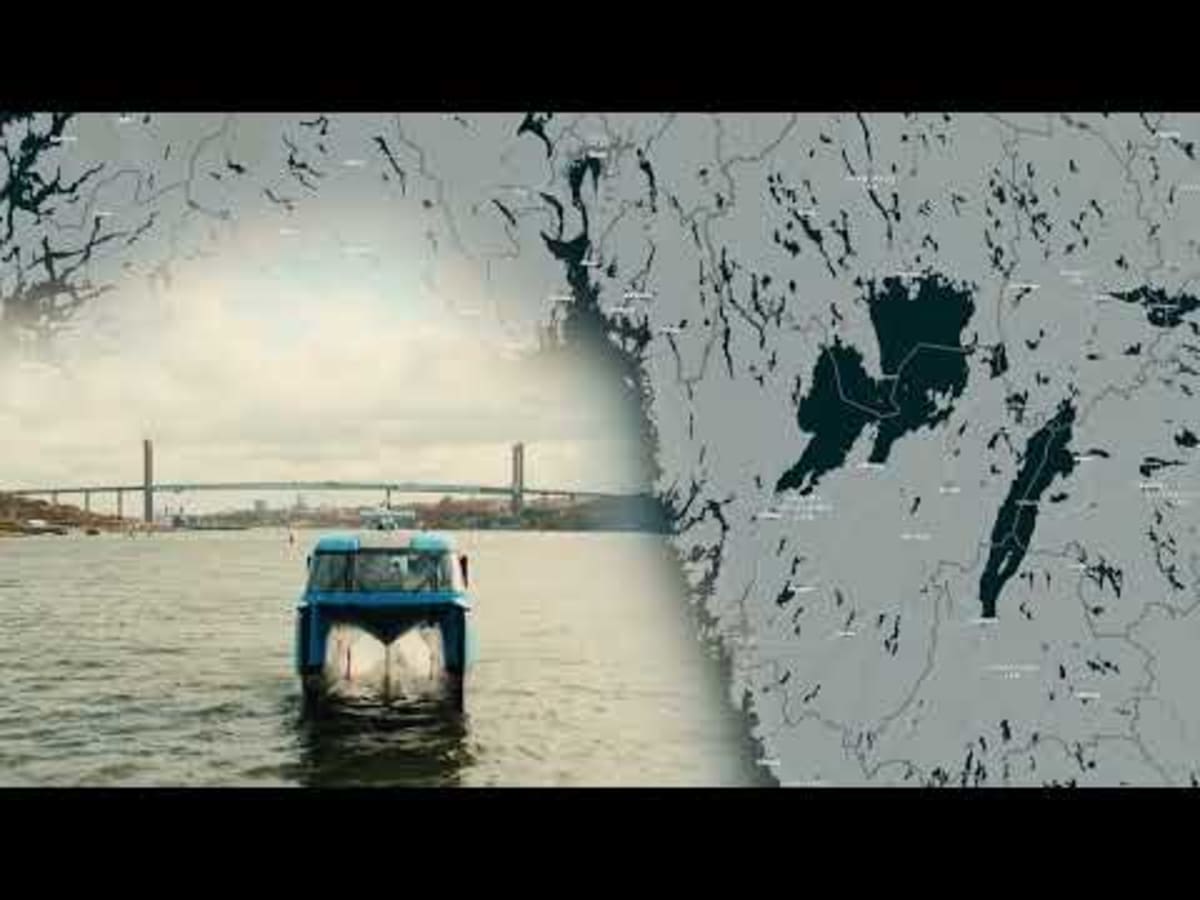
That's exactly what Norwegian public transport company Boreal AS just ordered for coastal commuters. The company purchased 20 Candela P-12 hydrofoil ferries in what marks the world's largest electric ferry fleet.
The Swedish-built vessels use computer-controlled wings to lift their hulls above the water at speeds over 18 knots. This clever design cuts drag by 80%, slashing energy consumption to levels that make high-speed electric travel across fjords not just possible, but practical.
"Norway has already led the electrification of maritime transport," says Nikolai Knudsmoen Utheim, Boreal's CEO. "With this fleet, we want to take the next step – accelerating zero-emission high-speed travel along the Norwegian coast."
The timing matters. Norway's stunning coastline stretches over 100,000 miles, and fast ferries are essential for connecting coastal communities. But traditional diesel ferries create wake erosion, noise pollution, and emissions that harm delicate fjord ecosystems.
The P-12 changes that equation completely. In testing around Stockholm, the cabin registered just 64 decibels during operation. The quiet, smooth ride eliminates seasickness while protecting shorelines from damaging wake.
The Ripple Effect
The environmental wins extend far beyond Norway's borders. Each P-12 can recharge in about an hour using standard DC car chargers, the same technology that powers electric vehicles.
That flexibility means communities don't need to build expensive megawatt-scale charging stations. "In many cases, building megawatt-scale chargers can cost as much as the vessels themselves," explains project engineer Gabriele De Mattia. The P-12's charging efficiency makes it viable for both cities and rural areas with limited grid infrastructure.
One P-12 already completed the longest electric sea journey on record between Sweden and Norway, recharging along the way with a mobile battery unit. The demonstration proved that clean maritime transport can work in real-world conditions, not just controlled tests.
For passengers, the experience promises to transform daily commutes. Gustav Hasselskog, Candela's founder and CEO, describes it simply: "If there ever was a magic carpet, we've made it." The flight controller system constantly adjusts the hydrofoils to keep the cabin level, even in rough seas, reducing weather-related cancellations.
The 20-vessel order will roll out in stages from 2027 through 2030. Tourists and commuters alike will enjoy faster, more frequent service across some of the world's most beautiful waterways without contributing to their destruction.
Norway already wrote the playbook for electric vehicles on land, and now it's proving clean transport works just as well at sea.
More Images



Based on reporting by Google News - Norway Green Energy
This story was written by BrightWire based on verified news reports.
Spread the positivity!
Share this good news with someone who needs it

%2Ffile%2Fattachments%2F2995%2FP22EV_352208.jpg)