Norway Polar Bears Bulk Up Despite Vanishing Sea Ice
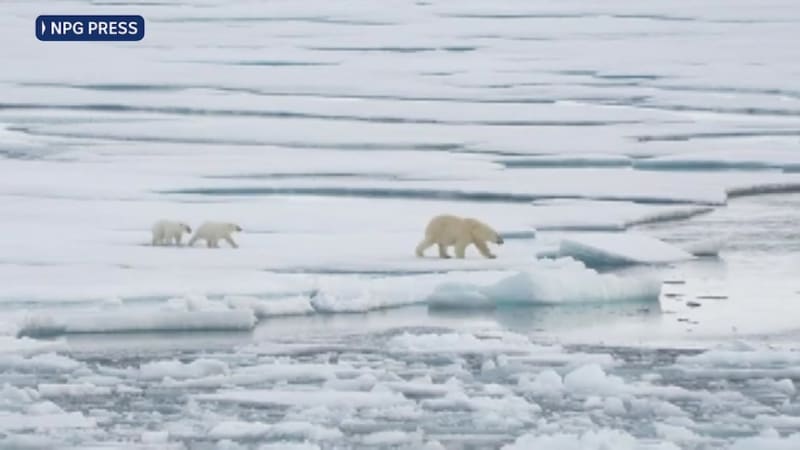
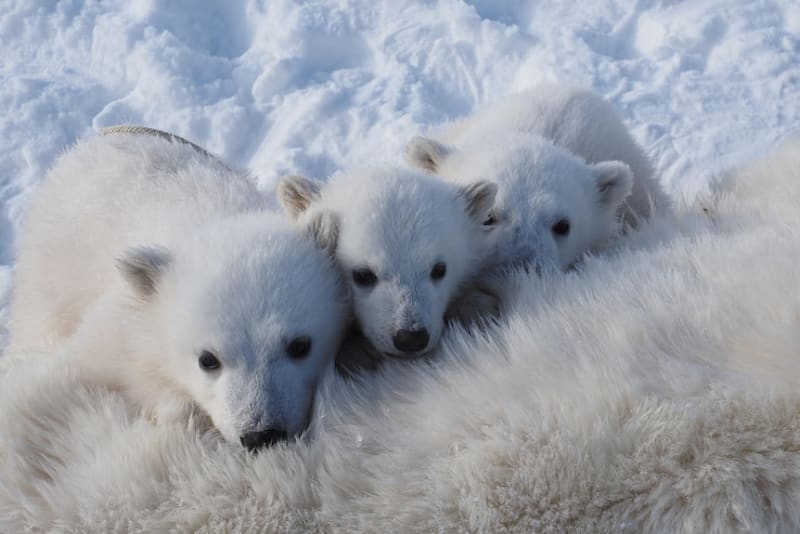
Polar bears in Norway's Svalbard archipelago are gaining weight even as their icy hunting grounds rapidly disappear. Scientists discovered the unexpected trend reveals nature's surprising resilience in the face of climate change.
Against all predictions, polar bears in Norway's remote Svalbard archipelago are getting fatter, not skinnier, even as their sea ice hunting grounds melt away faster than anywhere else in the Arctic.
The Barents Sea has lost sea ice four days per year since 1979, more than twice as fast as other polar bear regions. Temperatures there have risen up to 2 degrees Celsius per decade in some areas over the past 40 years.
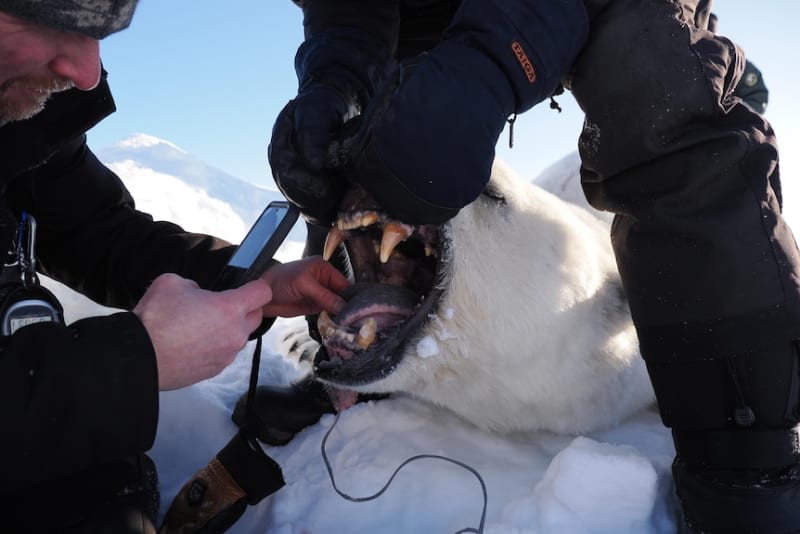
Yet Norwegian scientists studying 770 adult bears between 1995 and 2019 found something remarkable. After an initial decline until 2000, the bears' body fat actually increased during the following years of rapid ice loss.
Lead researcher Jon Aars from the Norwegian Polar Institute admitted he never saw it coming. "Had you asked me in 2003 what would happen, I would have said they would likely be skinnier," he explained.
So what's behind this unexpected turnaround? The bears found a buffet on land.
Reindeer and walrus populations have bounced back after decades of human over-hunting, giving hungry bears new food sources. Warmer temperatures also concentrated ringed seals into smaller ice areas, making them easier to catch.
The total polar bear population in the Barents Sea ranges between 1,900 and 3,600 and may have grown since last counted in 2004. When bears carry more fat, their reproduction rates stay healthy, which is excellent news for future generations.
The Bright Side
This story shows nature doesn't always follow a straight line toward disaster. While climate change presents serious challenges, ecosystems sometimes adapt in ways scientists don't expect.
The Svalbard findings contradict research from other regions like Hudson Bay in Canada, where polar bear health has sharply declined. Each population faces unique conditions, and this reminder gives hope that some wildlife may find paths to survival we haven't imagined yet.
Aars cautioned that Svalbard's bears still face an uncertain future as ice continues shrinking. But for now, these resourceful predators are proving more adaptable than anyone predicted, finding new ways to thrive when their old world melts away.
This unexpected resilience doesn't erase the climate crisis, but it shows that nature still holds surprises worth celebrating.
More Images

Based on reporting by ABC Australia
This story was written by BrightWire based on verified news reports.
Spread the positivity!
Share this good news with someone who needs it