Norway Shows How to Grow Green Energy Without Harming Nature
Norwegian scientists have mapped exactly where to build solar, wind, and hydro projects to meet 2050 energy goals while protecting wildlife habitats. Their research proves we can power the future without sacrificing biodiversity if we choose locations carefully.
Norway just proved we don't have to choose between clean energy and protecting nature.
Scientists at the Norwegian University of Science and Technology figured out how to balance the country's growing electricity needs with keeping forests, habitats, and wildlife safe. Their new study maps where Norway can build renewable energy through 2050 without destroying the places animals and plants call home.
The challenge is real. Norway could see habitat loss increase by 28% if renewable energy expands without a smart plan. But researcher Jan Borgelt says we have clear solutions that work.
Rooftop solar panels emerge as a game changer in the research. Ground mounted solar farms need large amounts of land for relatively small energy output, especially when placed in forests. But panels on existing buildings produce clean electricity without touching a single tree or meadow.
Location choices matter enormously for wind farms too. Norway's 64 onshore wind facilities currently produce about 16 terawatt hours yearly. Each future wind farm would cover roughly half a square kilometer, but the key is avoiding species rich areas where construction would do the most damage.
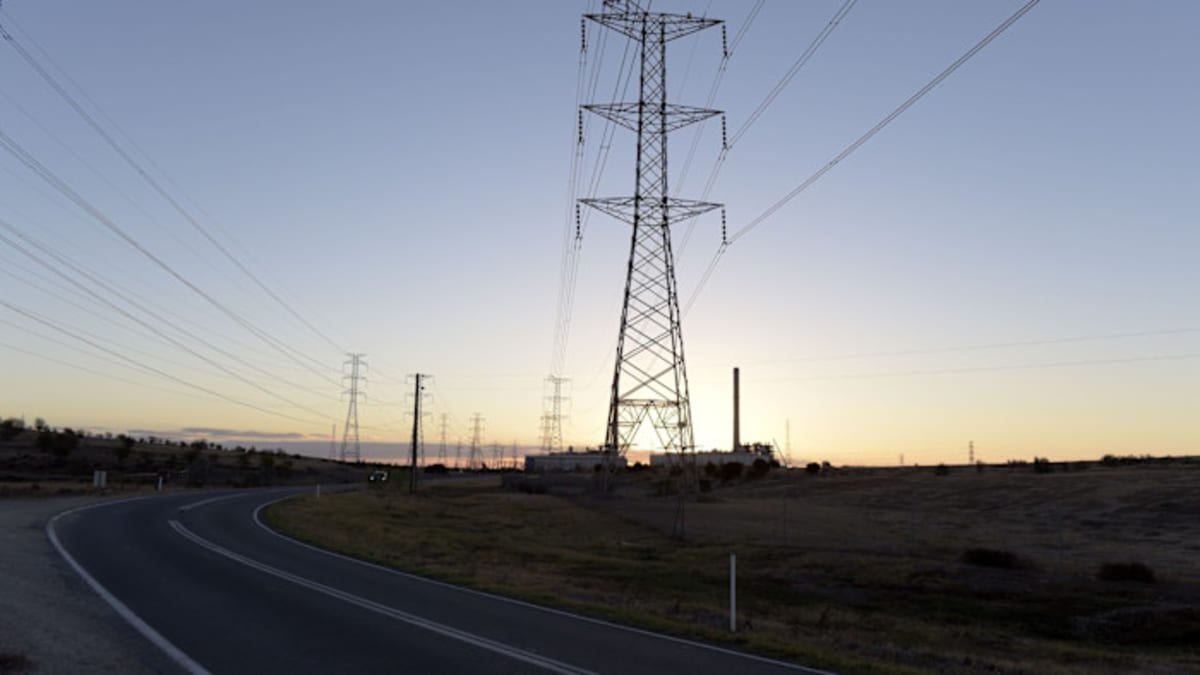
The study revealed a surprising benefit. Power line corridors, which rank second in habitat impact after hydropower, actually help certain wildlife. The open landscapes under transmission lines provide good homes for plants, amphibians, and reptiles, even though birds and mammals prefer other spaces.
Why This Inspires
This research hands every country a blueprint for the energy transition. Norway runs on 88% hydropower already, so they understand renewable energy at scale. Now they're showing the world how to add more clean power thoughtfully.
The team discovered that using previously developed land dramatically reduces conflicts between energy production and nature protection. Upgrading existing hydropower facilities instead of building new dams preserves protected areas. Placing solar panels on roofs transforms buildings into power plants without claiming new ground.
Researcher Dafna Gilad from the Norwegian Institute for Nature Research points out that people often forget about transmission infrastructure. Those power lines stretch for many kilometers, but smart planning makes them work harder without expanding their footprint.
The biggest solution sits in our own hands. Borgelt emphasizes that reducing electricity demand through energy efficiency cuts biodiversity impacts more than any other single action. Using less power means building fewer facilities, no matter how carefully we site them.
Norway's detailed mapping shows other nations exactly how to audit their own renewable energy plans against habitat protection. The country proves that hitting climate goals and protecting ecosystems aren't opposing forces when we plan with both in mind from the start.
More Images

Based on reporting by Google News - Norway Green Energy
This story was written by BrightWire based on verified news reports.
Spread the positivity!
Share this good news with someone who needs it