Norway Study Shows How to Build Green Energy Without Harm
Norwegian researchers found a way to grow renewable energy by 2050 while protecting wildlife habitats. The secret isn't just choosing the right technology, it's using less energy overall.
Scientists in Norway just cracked a puzzle that's been stumping environmental advocates worldwide: how to fight climate change without destroying the nature we're trying to save.
Researchers at the Norwegian University of Science and Technology studied how Norway can meet its 2050 energy goals while protecting birds, mammals, and natural habitats. The findings offer a roadmap that could help countries everywhere balance clean energy with conservation.
Norway gets 88% of its electricity from hydropower, with over 1,800 plants already built. While these facilities caused significant habitat loss decades ago, most of that damage is done. The real challenge now is meeting growing energy demands without repeating those mistakes.
Jan Borgelt, the study's lead author, found that expanding renewable energy could increase habitat loss by 28% by 2050. But here's the good news: smart planning can dramatically reduce that impact.
Rooftop solar emerged as a conservation winner. While ground-mounted solar farms require large land areas for relatively little power, rooftop panels produce electricity without converting any natural habitat. Location transforms solar from a space-hungry option into a win-win solution.
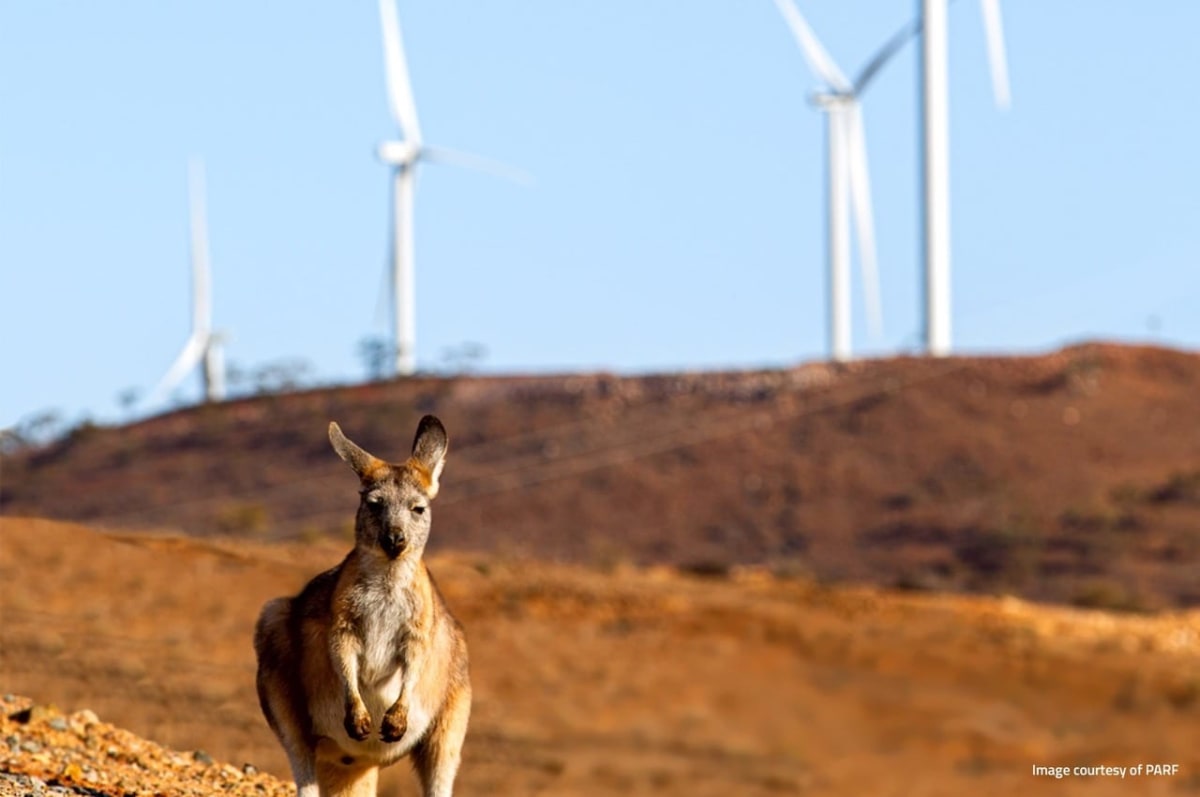
Wind power's footprint is smaller than expected. Each future wind farm would occupy about half a square kilometer while producing enough electricity for thousands of homes annually. The key is avoiding species-rich areas when choosing sites.
The research revealed something surprising about transmission lines. While power corridors require clearing forests, those open landscapes actually benefit plants, amphibians, and reptiles. Birds and mammals fare worse, showing that every energy choice involves tradeoffs.
The Bright Side
The study's most hopeful finding wasn't about technology at all. Reducing overall electricity demand through efficiency measures cuts habitat impacts more than any other single strategy.
"What matters is how much electricity we will produce overall," said co-author Dafna Gilad. Using less energy through better insulation, efficient appliances, and smart design protects more habitat than perfectly placed wind turbines or solar panels ever could.
The researchers aren't saying Norway should stop building renewable energy. The climate crisis demands action. But biodiversity needs to be part of every decision about where and how to build. Protected areas should stay protected. Already developed land should be used first.
Norway's energy transition can succeed without sacrificing its natural heritage, and this research shows exactly how to make it happen.
Based on reporting by Google News - Norway Green Energy
This story was written by BrightWire based on verified news reports.
Spread the positivity!
Share this good news with someone who needs it