Norway Tour Operators Protect Eagles Over Tourist Dollars
When a tour operator in Norway discovered eagles nesting along a popular hiking trail, he made a choice that's helping redefine sustainable tourism. His decision shows how the travel industry can adapt to protect nature as climate change shifts vacation patterns northward.
A tour operator in Norway chose nesting eagles over profit, and it's sparking a smarter approach to tourism in cooler climates.
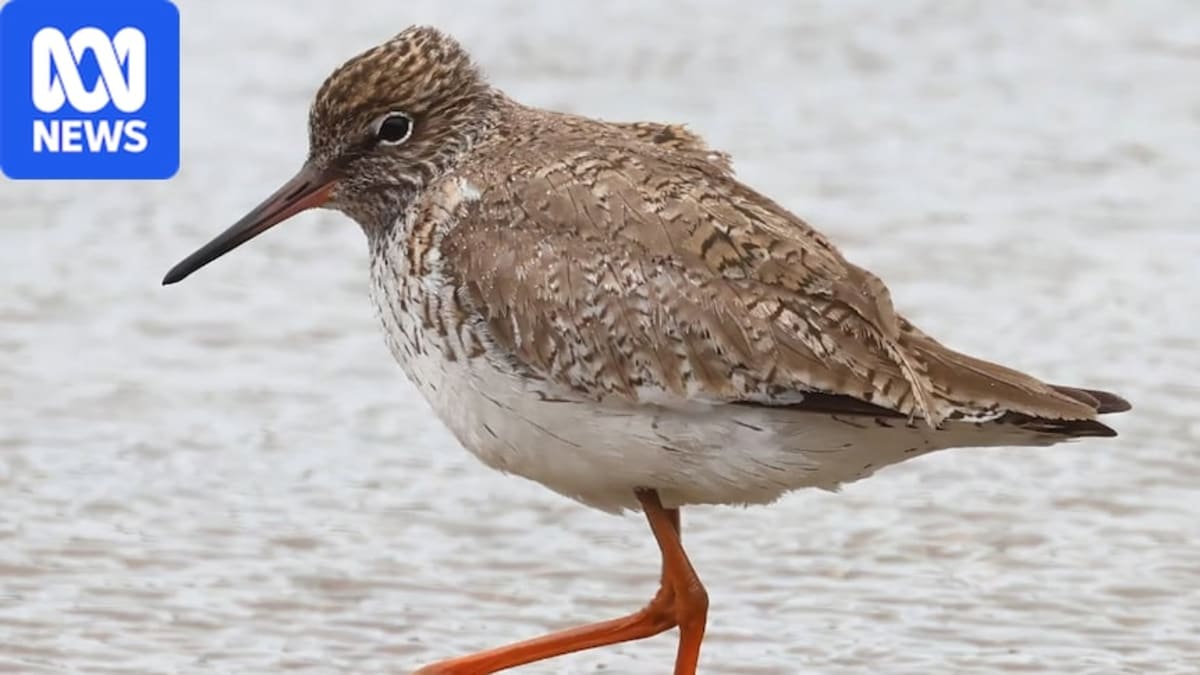
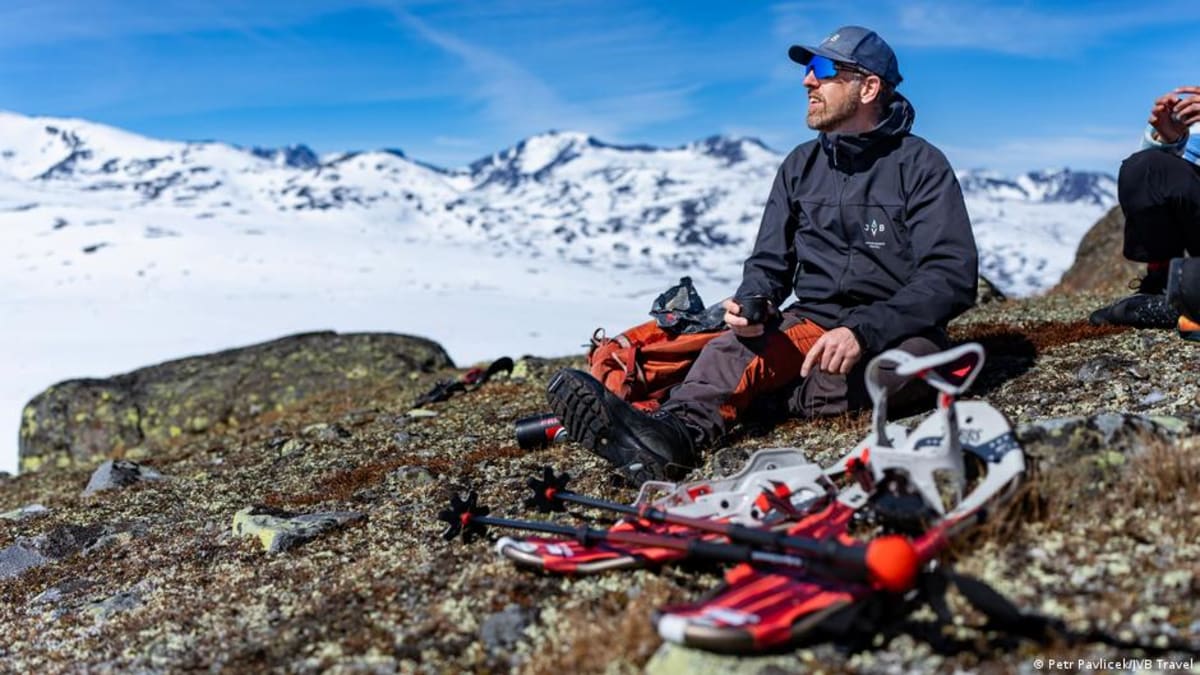
Georg Sichelschmidt discovered that his favorite hiking route in Jotunheimen, a stunning mountain region in southern Norway, was home to nesting eagles. Instead of disturbing the birds, he simply found another trail for his guests.
"We decided not to use this trail anymore. We had to find another solution," said Sichelschmidt, who runs nature-based tourism company JVB Travel. For him, respecting Norway's wilderness was an easy choice.
His decision comes as climate change reshapes where people vacation. Rising temperatures across southern Europe are driving more tourists toward cooler destinations like Norway, creating new challenges for fragile northern ecosystems.
The travel industry now uses the term "coolcation" to describe this shift. Partner tour operators tell Sichelschmidt they're seeing growing interest in Nordic hiking and biking trips during summer months when Mediterranean destinations hit 104 degrees Fahrenheit.
Northern Norway's Lofoten archipelago shows what this trend could mean. Home to just 25,000 people, it recorded more than 807,000 commercial guest nights in 2025. The region's puffin colonies, nesting birds, and delicate coastal vegetation face mounting pressure from foot traffic.
The Ripple Effect
Sichelschmidt believes tour operators can lead the way by steering visitors onto well-managed trails while avoiding sensitive areas. His approach demonstrates how individual businesses can make immediate impact without waiting for regulations.
Norway is backing up these efforts with new tools. Starting in 2027, communities facing high tourism pressure can charge a 3% accommodation tax to fund better trails, facilities, and infrastructure.
The Faroe Islands launched "Closed for Maintenance," inviting volunteers to repair trails before reopening them to visitors. It's turning tourists into conservation partners rather than just consumers of nature.
Tourism researcher Elina Hutton says destinations need to think beyond just promoting themselves. They must decide where visitors should go, which areas need protection, and how to spread tourism throughout the year instead of concentrating it in summer months.
The shift toward cooler destinations could strain northern ecosystems, but it's also creating opportunities for tour operators and communities to build tourism that protects the very landscapes people come to see.
More Images
Based on reporting by DW News
This story was written by BrightWire based on verified news reports.
Spread the positivity!
Share this good news with someone who needs it