Norway's Electric Ferry Cuts 16,000 Tons of CO2 Annually
Five years ago, Norway launched the world's largest electric ferry. Today, it's still running strong and proving clean maritime transport works at scale.
A massive electric ferry in Norway just hit a milestone that matters for everyone who cares about cleaner oceans and air.
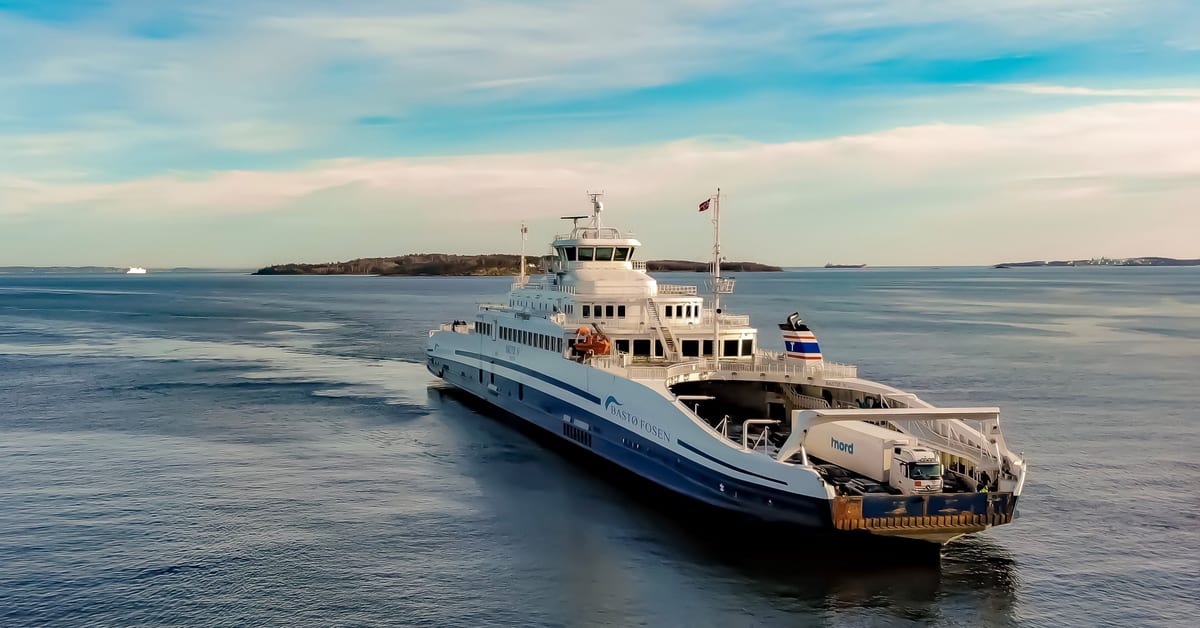
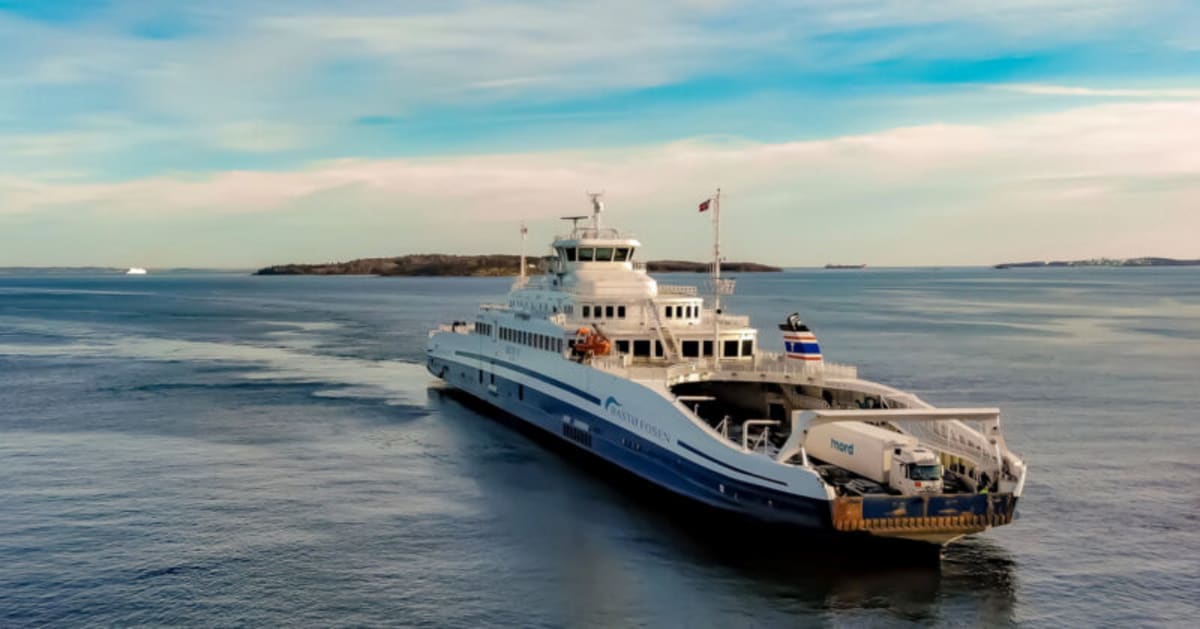
Bastø Electric has been hauling passengers and cars across Norway's Oslofjord for five years now, completing thousands of trips without the diesel fumes that used to hang over the water. When it launched in March 2021, the 450-foot vessel was the world's largest all-electric ferry. Today, it's something even better: proof that battery-powered boats can handle the daily grind of real commercial service.
The ferry crosses between Moss and Horten about 36,000 times each year, carrying nearly 4 million passengers and 2 million vehicles. Each crossing takes just 30 minutes, giving the ship time to recharge at docking stations on either end. That predictable route makes battery power practical in ways that wouldn't work for longer ocean voyages.
But Bastø Electric didn't transform this route alone. The ferry company also converted two older diesel ferries to run on batteries, turning the crossing into Norway's largest electric ferry operation. Together, the three ships replaced about 6 million liters of diesel annually, cutting roughly 16,000 metric tons of carbon dioxide from the air each year.
The transition took time and patience. Shore charging systems had to be built at both terminals before the ferries could run fully electric. For the first two years, the boats operated as hybrids while the infrastructure caught up. By 2023, the system finally worked as designed, with all three ferries running entirely on battery power.
The Ripple Effect
The Moss-Horten crossing is showing ferry operators worldwide what's possible when you combine new electric vessels with converted older ships. Most ferry companies can't afford to replace their entire fleet overnight. This project proves they don't have to.
The three electric ferries now handle about 75 percent of all crossings on the route. Captains use automated docking and route optimization systems that work better with electric propulsion than they ever could with diesel engines. The technology allows precise control during docking and adjusts power demand instantly based on conditions.
Other countries are paying attention. Larger battery ferries have since launched, including one in South America with ten times the battery capacity. But none have logged five years of daily commercial service yet.
The charging infrastructure matters as much as the ships themselves. Without reliable high-speed charging at both terminals, none of this works. That lesson applies whether you're electrifying ferries, buses, or delivery trucks.
Norway's cold, dark winters and heavy traffic loads make this route a genuine test. Bastø Electric keeps running through storms, ice, and the constant demand of a route that never sleeps.
Five years in, the world's once-largest electric ferry is now simply doing its job, one quiet crossing at a time.
More Images
Based on reporting by CleanTechnica
This story was written by BrightWire based on verified news reports.
Spread the positivity!
Share this good news with someone who needs it