Norway's Farmers Get Roadmap to Bring Back Lost Birds
After 25 years of tracking, Norwegian researchers have identified exactly why farmland birds are vanishing and how to bring them back. The solution lies in simple changes farmers can make to their land today.
Norway just handed farmers a blueprint to reverse a troubling trend that's been decades in the making.
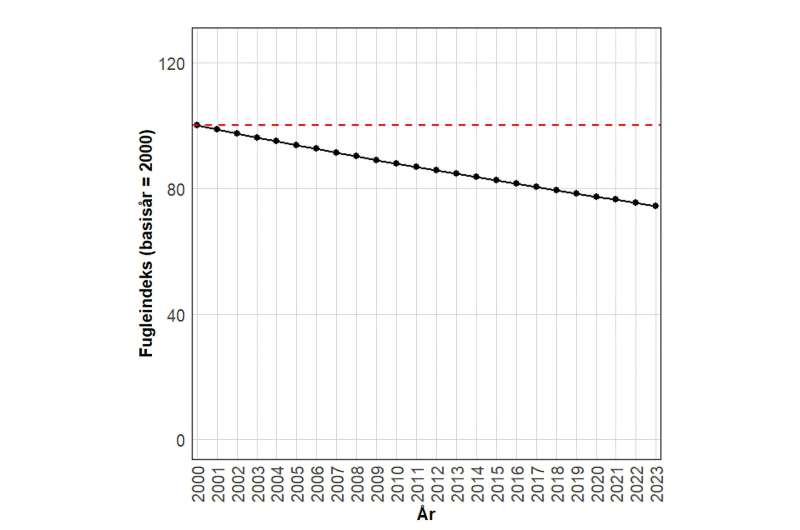
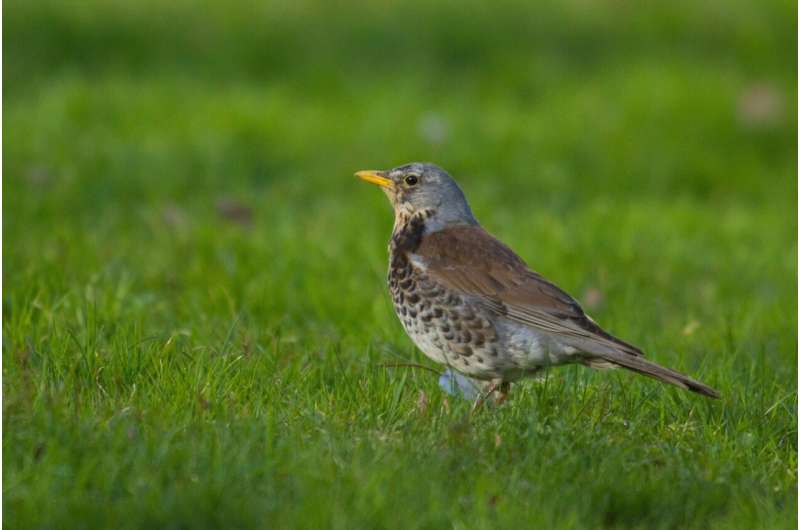
Since 2000, bird populations across Norway's farmland have dropped by 25%, with some beloved species like fieldfares declining by more than half. But researchers at the Norwegian Institute of Bioeconomy Research say they finally know why and, more importantly, how to fix it.
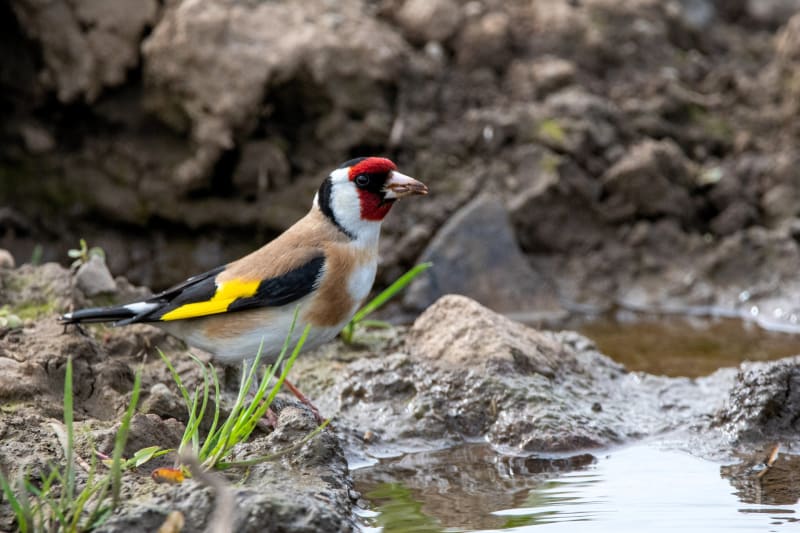
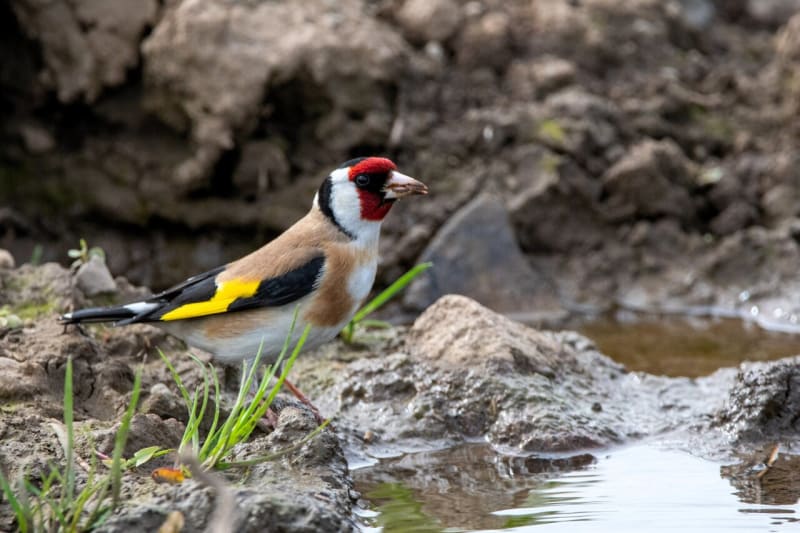
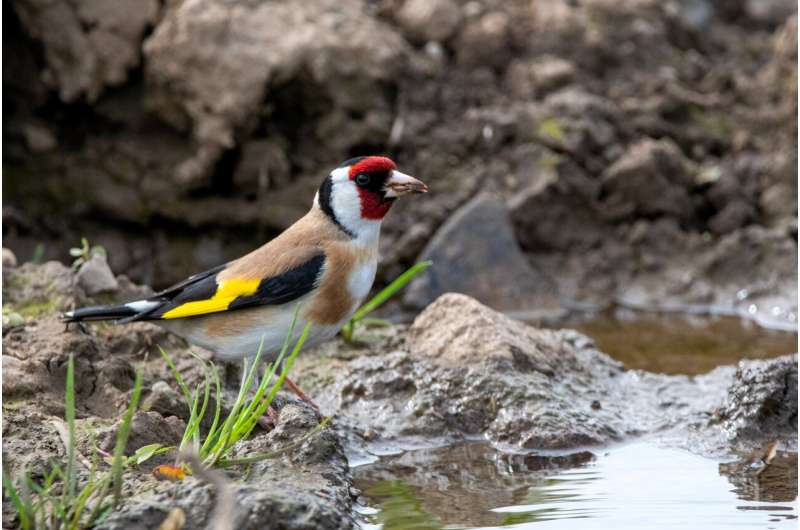
For 25 years, scientists monitored 22 common bird species that call agricultural landscapes home. The news wasn't all bleak. European goldfinches actually increased by 54%, and house sparrows saw modest gains of 15%.
The pattern revealed something crucial. As farms modernized with larger fields and more specialized operations, the tiny habitat features birds depend on disappeared. Field margins, small woodlots, wetlands, and hedgerows provide food, shelter, and nesting sites that vanished as agriculture intensified.
Christian Pedersen, the NIBIO researcher leading the study, points out that even year-round resident birds are declining. That means Norway can't blame migration routes or distant wintering grounds. The problem is happening at home, and the solution needs to start there too.
Some birds nest directly on farmland, putting them in direct conflict with modern farming practices. Northern lapwings, Eurasian curlews, and skylarks struggle when farmers increase hay harvesting or drain wetlands to maximize production.
The Bright Side
The 25 years of data didn't just identify problems. It created an actionable roadmap for recovery.
Researchers recommend preserving small habitat features that give birds access to food and shelter. Timing farming activities around birds' breeding cycles makes a huge difference. Even small adjustments to when fields are mowed can protect ground-nesting species.
The key insight is that biodiversity and food production don't have to be enemies. Farmers can maintain productive operations while creating space for wildlife by keeping field margins wild, protecting small wetlands, and maintaining diverse landscape features.
Norway's agricultural policy now has concrete data showing which interventions work. The monitoring program continues, meaning researchers can track whether conservation measures actually reverse the decline in real time.
Similar declines have hit farmland birds across Europe, with populations down 60% since 1980. Norway's detailed monitoring gives other countries a model for understanding and addressing the crisis on their own soil.
The researchers emphasize that international cooperation matters for migratory species, but local action can still make an enormous difference. Even birds that travel thousands of miles need healthy stopover and breeding sites.
With the blueprint in hand, Norway's farmers now have the tools to welcome back the missing songs of summer.
More Images
Based on reporting by Phys.org
This story was written by BrightWire based on verified news reports.
Spread the positivity!
Share this good news with someone who needs it