Norway's Solar Boom: Businesses Lead With 43 MW Installed
Norwegian businesses are proving solar energy works without government subsidies, installing 43 MW of panels in seven months while avoiding sky-high electricity costs. Commercial rooftops now power 60% of Norway's solar growth, showing clean energy can thrive on pure economics.
Norway's businesses are quietly building a solar revolution that pays for itself, one rooftop at a time.
The country added 43 MW of solar capacity between January and July this year, bringing its total to 964 MW. What makes this remarkable isn't the numbers alone, it's that commercial and industrial buildings are driving the transformation without a single subsidy check.
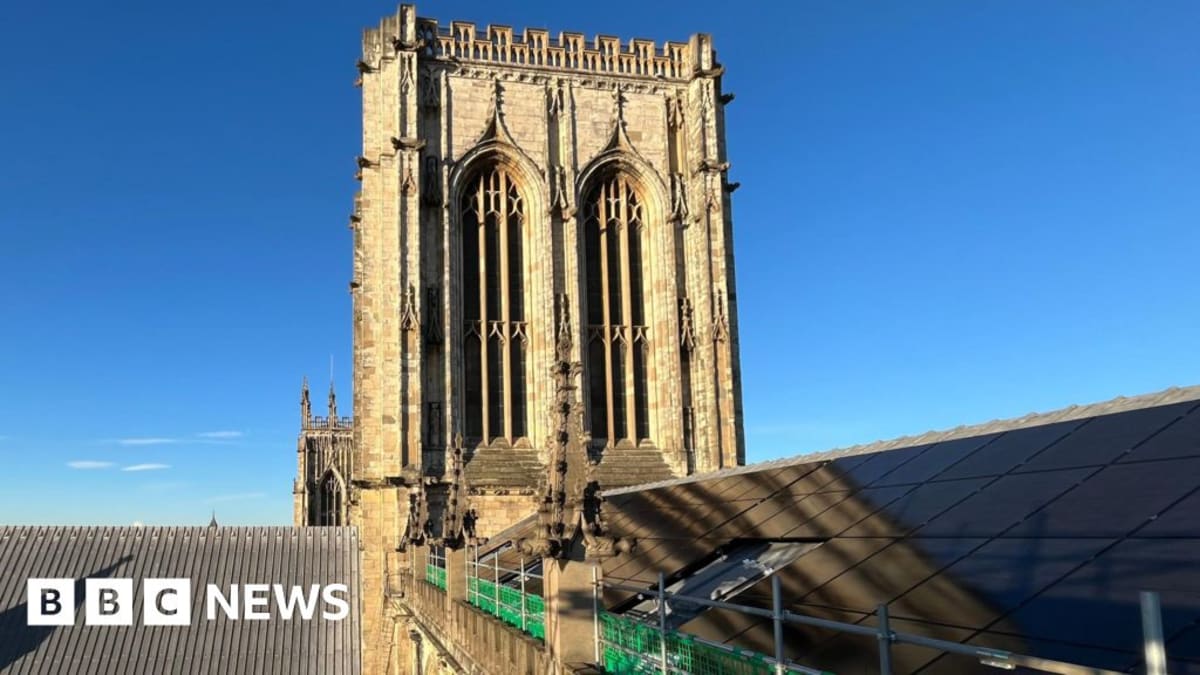
"Installations for self-consumption are carrying the market as they remain the only bankable case," explains Hassan Gholami, a senior solar consultant at Multiconsult. Commercial properties, logistics centers, retail stores, farms, and municipal buildings all run during daylight hours when solar panels produce the most energy.
With solar panel prices at historic lows, these businesses simply avoid paying the full delivered cost of grid electricity for every kilowatt hour they produce themselves. The math works without government help.
Systems between 100 kW and 1 MW, the perfect size for commercial rooftops, now make up 60% of Norway's 2024 installations. These projects typically take 9 to 18 months from planning to completion, meaning this momentum should continue into next year.
The Ripple Effect
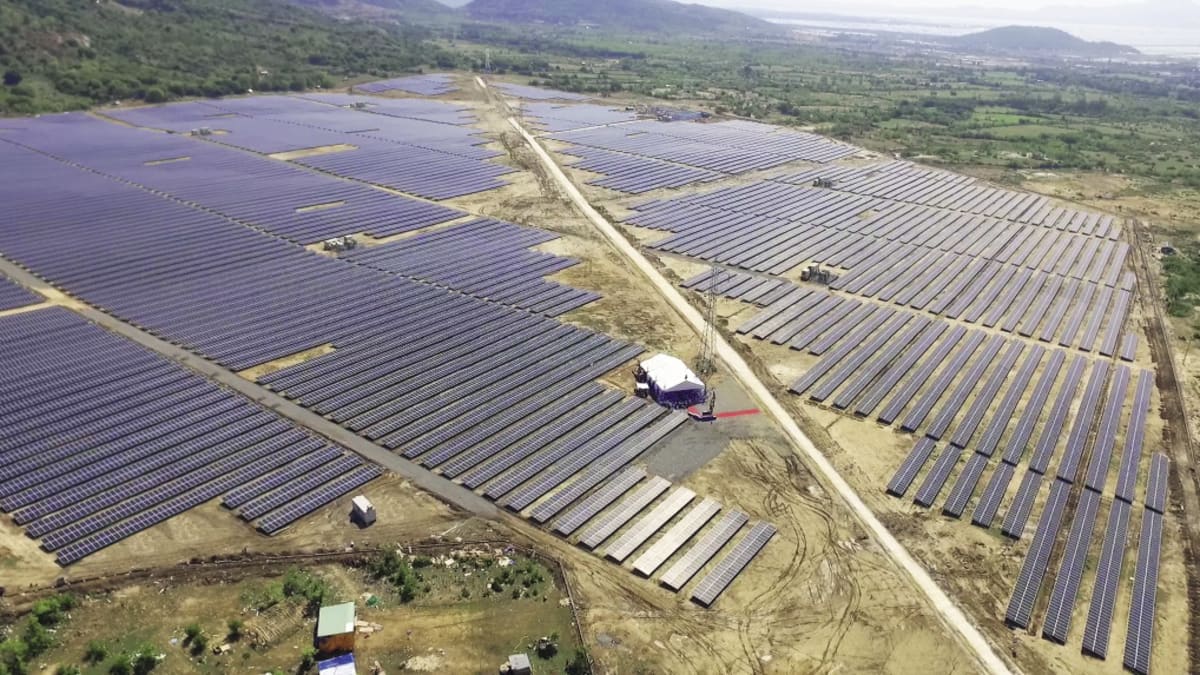
Norway's utility scale solar market is accelerating from planning to construction. A 31.4 MW project broke ground in June, while a 46 MW agrivoltaic farm combines solar panels with active farmland below.
The country is also approving its first combined solar and battery installations. The 7 MW Furuseth solar plant will add a 5 MW battery, while the agrivoltaic project gets a 6 MW battery for storing excess daytime energy.
A smart regulatory change last year means projects under 10 MW now only need local municipal approval instead of national licensing. This simpler process is opening doors for more ground mounted solar farms across the country.
Gholami forecasts between 80 MW and 100 MW of installations this year. While that's slower than the 132 MW added in 2023, the picture could change fast. A single large solar farm adds more than half of Norway's current annual deployment, meaning two or three big projects completing in 2027 or 2028 could dramatically boost those numbers.
New regulations this year allow businesses to share energy and simplify grid connections for new power plants. These changes build the foundation for faster growth ahead.
Norway proves clean energy thrives when the business case is clear, subsidies optional.
More Images



Based on reporting by PV Magazine
This story was written by BrightWire based on verified news reports.
Spread the positivity!
Share this good news with someone who needs it