Nunavut Leader Kilikvak Kabloona Joins Reconciliation Board
A former Nunavut executive who helped launch a healing center is joining Canada's National Council for Reconciliation. Kilikvak Kabloona will help track whether the country is keeping its promises to Indigenous communities.
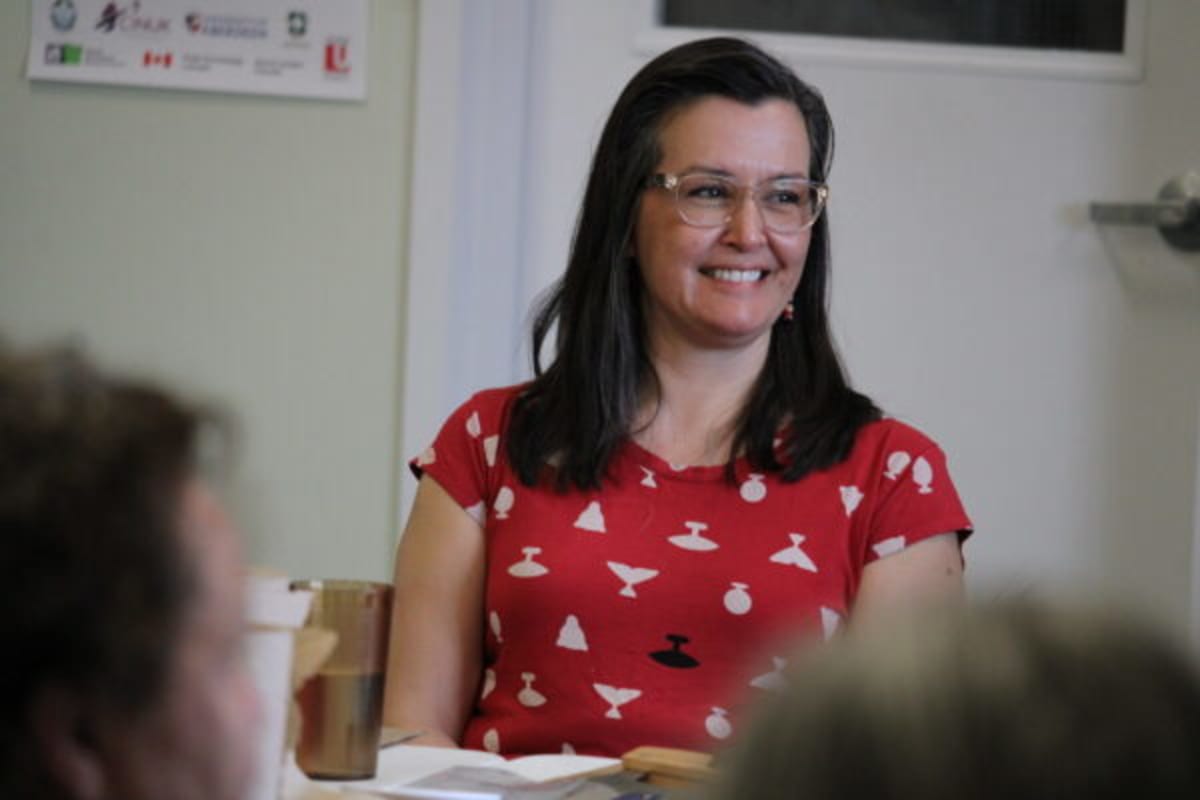
Kilikvak Kabloona has spent her career turning reports into real change, and now she's taking that experience to Canada's National Council for Reconciliation.
The former CEO of Nunavut Tunngavik Inc. was just named to the independent board that monitors whether Canada is meeting its 94 commitments from the Truth and Reconciliation Commission. "It's a real honour," Kabloona said Thursday.
Her track record shows why she's the right person for the job. As Nunavut's associate deputy minister for quality of life, she helped secure funding for the Aqqusariaq Recovery Centre in Iqaluit, directly addressing the territory's suicide crisis and fulfilling one of the commission's calls to action on Indigenous healing access.
"Over my career, I've seen how progress can be made toward a healthier, more vibrant society through the implementation of these types of reports," Kabloona said.
She joins Joseph Murdoch-Flowers, an Iqaluit lawyer who has served on the board since 2025. He worked under Kabloona as a senior advisor on suicide prevention and calls her appointment significant. "She has immense competence and a deep commitment to the work that is required for reconciliation," Murdoch-Flowers said.
Kabloona knows there's still hard work ahead. Health care in Nunavut needs more Inuit workers and better training opportunities, both identified as priorities by the Truth and Reconciliation Commission. "These things will take time, it is a process and it's important that we continually work on reconciliation. It is not a check box exercise," she said.
The Ripple Effect
The council's first report this summer showed Canada has made real progress through rights-based legislation, child welfare settlements, and increased Indigenous partnerships. But gaps remain in child welfare, education, income, health, and justice.
The board is now permanent with three new directors joining alongside Kabloona. Barbara Filion from the Innu Nation of Mashteuiatsh and Kluane Adamek-Aagé, a former Assembly of First Nations Yukon Regional Chief, round out the appointments.
Chairperson Julie Ann Wriston called the permanent board "a meaningful step forward" taken with "gratitude and a deep sense of responsibility." With leaders like Kabloona who have proven they can turn promises into programs, reconciliation moves from paperwork to progress.
More Images

Based on reporting by Google News - Reconciliation
This story was written by BrightWire based on verified news reports.
Spread the positivity!
Share this good news with someone who needs it