Nurse Brings Hope to Forgotten Corners of the World
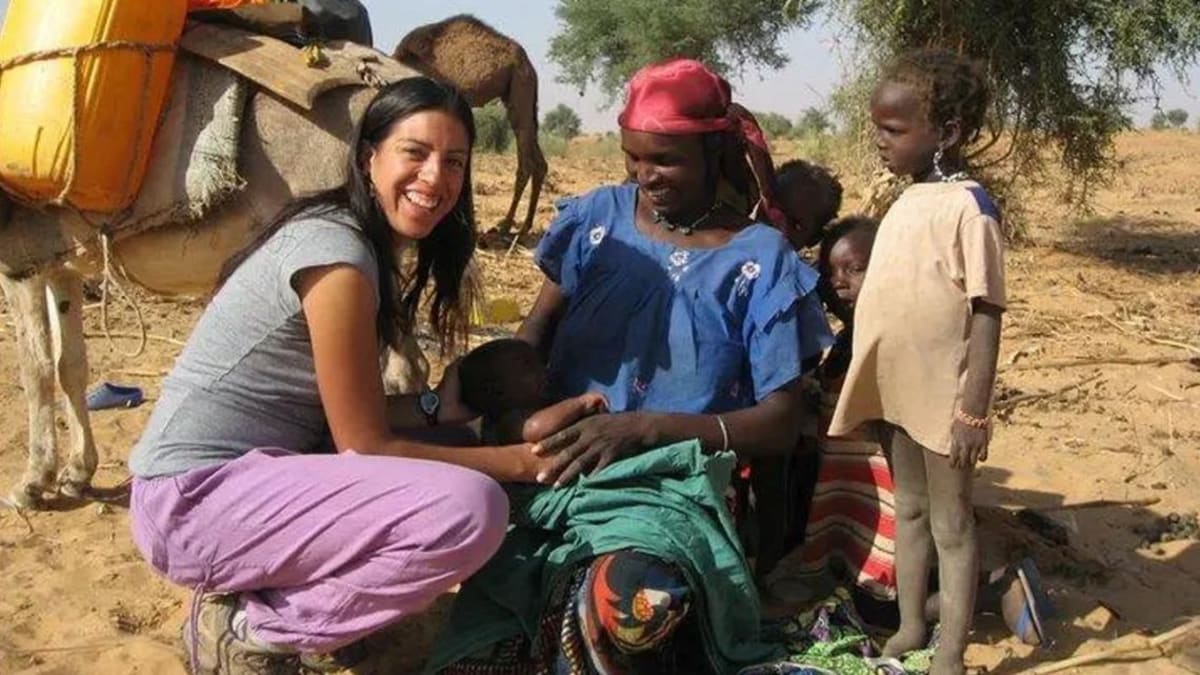
María José Cáceres coordinates medical care for migrants and violence-affected communities in Mexico, part of a global network of nurses choosing to serve in the world's most challenging zones. Her work highlights both the life-changing power of nursing and the urgent need for more hands in a profession facing a 13 million worker shortage.
While most people dream of safe careers close to home, María José Cáceres is planning her next mission to conflict zones in Congo where few others want to go.
The qualified nurse currently serves as a medical coordinator in Mexico, building holistic care systems for migrants and communities devastated by cartel violence. She even collaborates with local governments to integrate emergency care with existing health systems.
Her path to this work started young. Growing up in Buenos Aires, Cáceres kept hearing about preventable deaths in Africa from malnutrition and diseases that no longer existed in her own country. That geographic and social injustice sparked something in her.
When she discovered Médecins Sans Frontières (Doctors Without Borders), everything clicked. "I said to myself: 'That's for me,'" she recalls.
The work demands more than medical expertise. Cáceres has mastered multiple languages, studied public health and epidemiology, and prepared herself mentally for extreme scenarios from Ebola outbreaks to treating wounded people in war zones.
A doctor once told her something she never forgot: "I'll always choose a good nurse and a bad doctor over the reverse because the nurse is there day to day and will realize what's going on with the patient." That invisible, constant presence is what saves lives.
The profession faces serious challenges. According to a 2023 World Health Organization study, the world needs 13 million more nurses. Low salaries compared to years of training drive many away, and burnout runs high among those who stay.
COVID-19 showed the world how essential nurses are, but Cáceres says real recognition still hasn't followed. "I still do not think there has been a very great change in the world," she notes.
Why This Inspires
Cáceres represents thousands of nurses who see their profession as more than a job. It's empowerment, especially for women who have filled caring roles for millennia but often without formal recognition or fair compensation.
Her next Congo mission will serve populations others have forgotten, in areas where political changes have dried up funding. International organizations try to fill the gaps, but the need far exceeds available resources.
To anyone considering nursing, her message is clear: this profession lets you understand humanity far beyond your own culture and community. It fulfills you professionally and personally, giving you the chance to truly change things.
The world desperately needs more people willing to answer that call.
Based on reporting by Buenos Aires Times
This story was written by BrightWire based on verified news reports.
Spread the positivity!
Share this good news with someone who needs it