NUS Scientists Use Light Beams to Control Yeast Cells
Researchers in Singapore have created a breakthrough system using colored light to precisely control yeast cells, making bio-manufacturing cleaner and more programmable. The innovation could transform how we produce medicines and fuels.
Scientists at the National University of Singapore have figured out how to control living cells with nothing more than colored light beams.
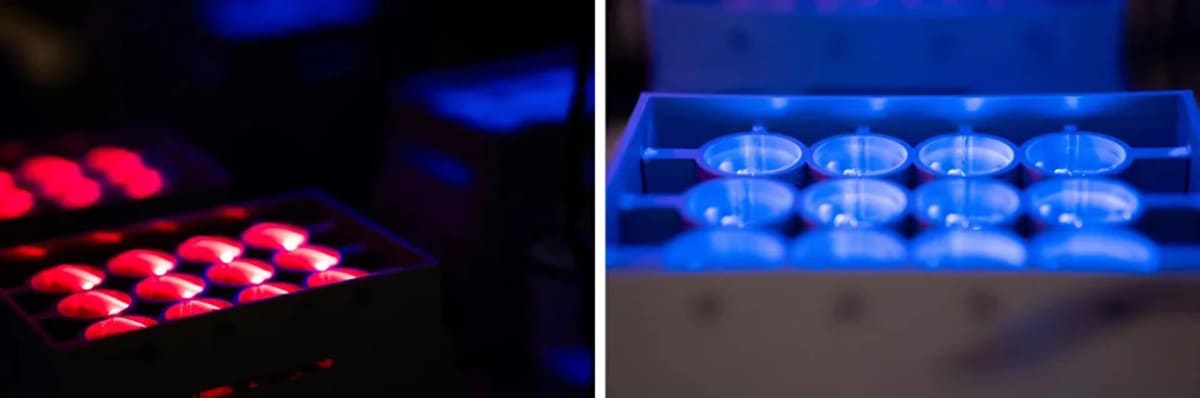
The research team developed a system that lets them program yeast cells using red and blue light, solving a major challenge in biotechnology. For years, yeast has been engineered to produce everything from medicines to biofuels, but controlling these living organisms with precision has been frustratingly difficult.
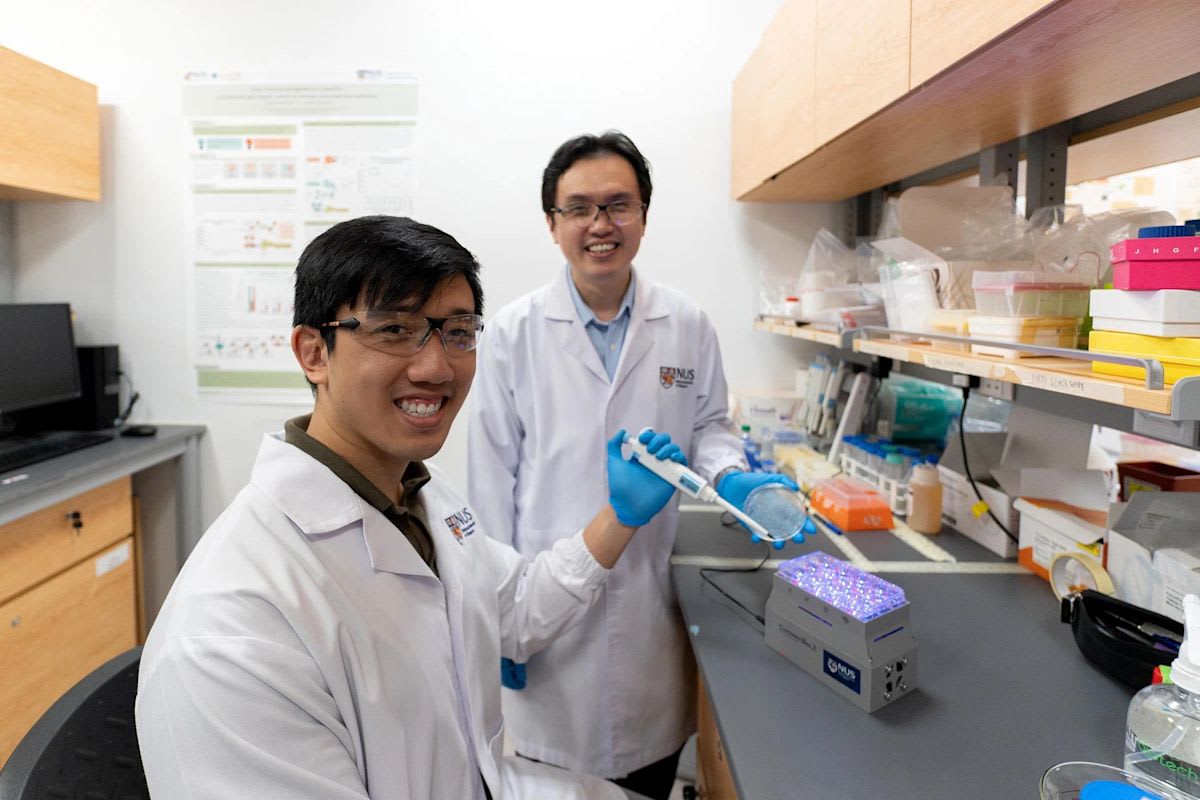
Lead researcher Poh Chueh Loo and his team turned to optogenetics, a technique that uses light instead of chemicals to control cell activity. Their breakthrough came when they created y-iLight, a protein that responds reliably to red light without needing expensive chemical additives.
The key challenge was making yeast respond consistently to red light, which penetrates deep into biological tissues without causing damage. Previous systems required multiple genes, helper molecules, and careful handling to avoid accidental activation.
PhD student Linus Tan, who led the study, adapted a light-sensitive tool originally used in bacteria and mammalian cells. The team engineered it specifically for yeast, creating a cost-effective, environmentally friendly solution that works with only the chemicals naturally found in yeast.
When they combined their red light system with an existing blue light protein called EL222, something remarkable happened. The yeast could now follow complex, multi-step instructions based on different colors of light.
To demonstrate the potential, the researchers programmed yeast to produce luteolin, a beneficial antioxidant compound found in fruits and vegetables. By adjusting the amounts of red and blue light, they could fine-tune how much the yeast produced.
In another experiment, they used red light to trigger yeast cells to clump together and separate from the liquid. Then they combined both processes: blue light made the yeast produce luteolin, and red light made them clump for easy harvesting.
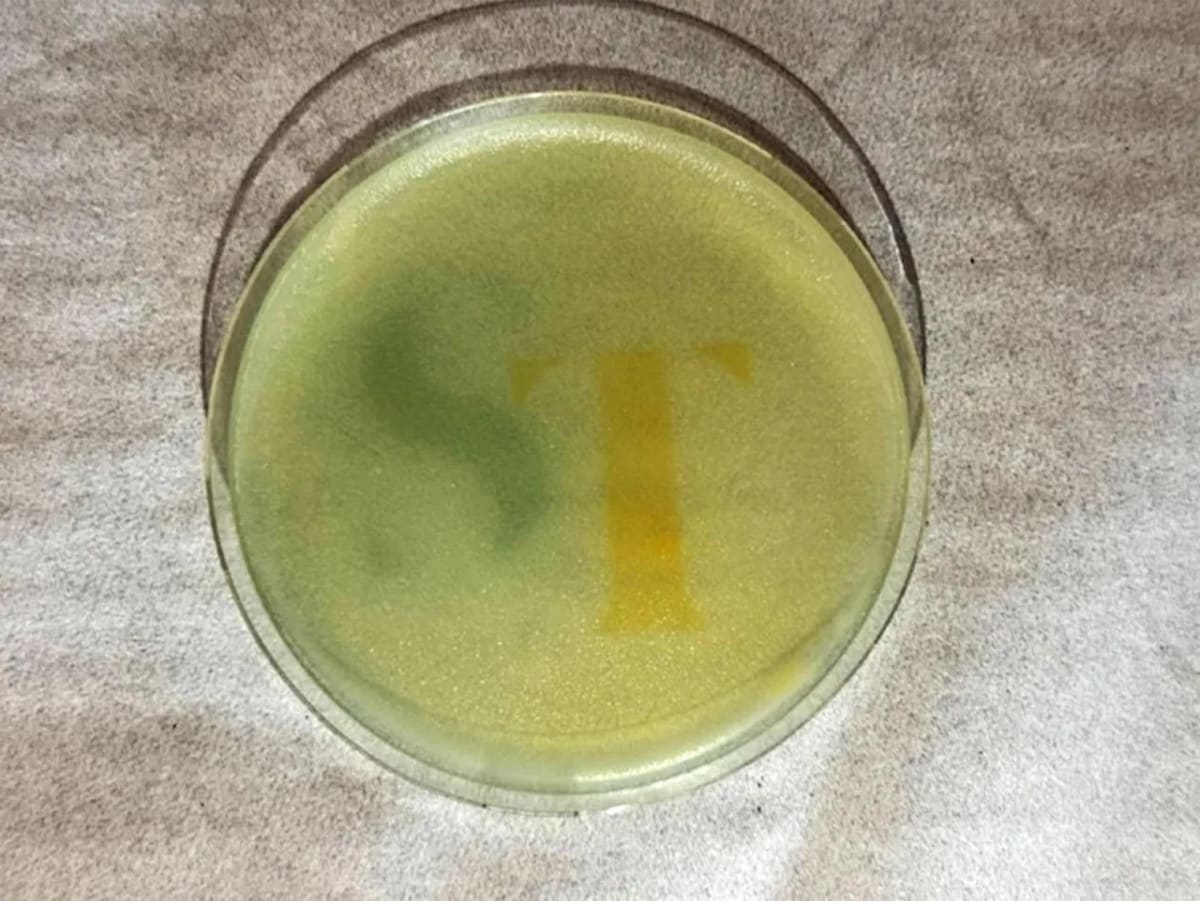
The team even created "living images" by spreading yeast cells on a surface and projecting colored light through masks. The yeast responded by growing into multi-colored patterns.
Why This Inspires
This technology represents more than just a clever laboratory trick. It offers a glimpse into a future where biological manufacturing becomes as precise and programmable as computer code.
The researchers published their findings in Nature Communications in May. Traditional biomanufacturing often requires adding chemicals at different stages, creating waste and complexity.
With light-based control, the process becomes cleaner, cheaper, and more precise. Imagine pharmaceutical companies producing medicines with less chemical waste, or biofuel producers optimizing their yields with the flip of a light switch.
The team is already working on expanding their system to respond to even more colors of light, which would allow for greater control over biological processes. They're also improving the strength and sensitivity of the light-responsive proteins.
Poh and his colleagues plan to commercialize the technology, either by launching a startup or licensing it to companies. The applications could extend beyond yeast to other organisms and processes.
This breakthrough shows how fundamental research in synthetic biology can lead to practical solutions for manufacturing challenges. What started as a problem controlling microscopic organisms could reshape how we make essential products while reducing environmental impact.
More Images
Based on reporting by Regional: singapore breakthrough (SG)
This story was written by BrightWire based on verified news reports.
Spread the positivity!
Share this good news with someone who needs it