Scientists Find CRISPR's Ancient Origin in Viruses
Researchers at UC Berkeley discovered that CRISPR, the revolutionary gene-editing tool, actually started as a viral weapon that bacteria stole and turned against their attackers. This breakthrough rewrites the origin story of one of science's most powerful technologies.
Scientists just uncovered a stunning plot twist in the history of CRISPR, the gene-editing technology that's revolutionizing medicine and earned a Nobel Prize in 2020.
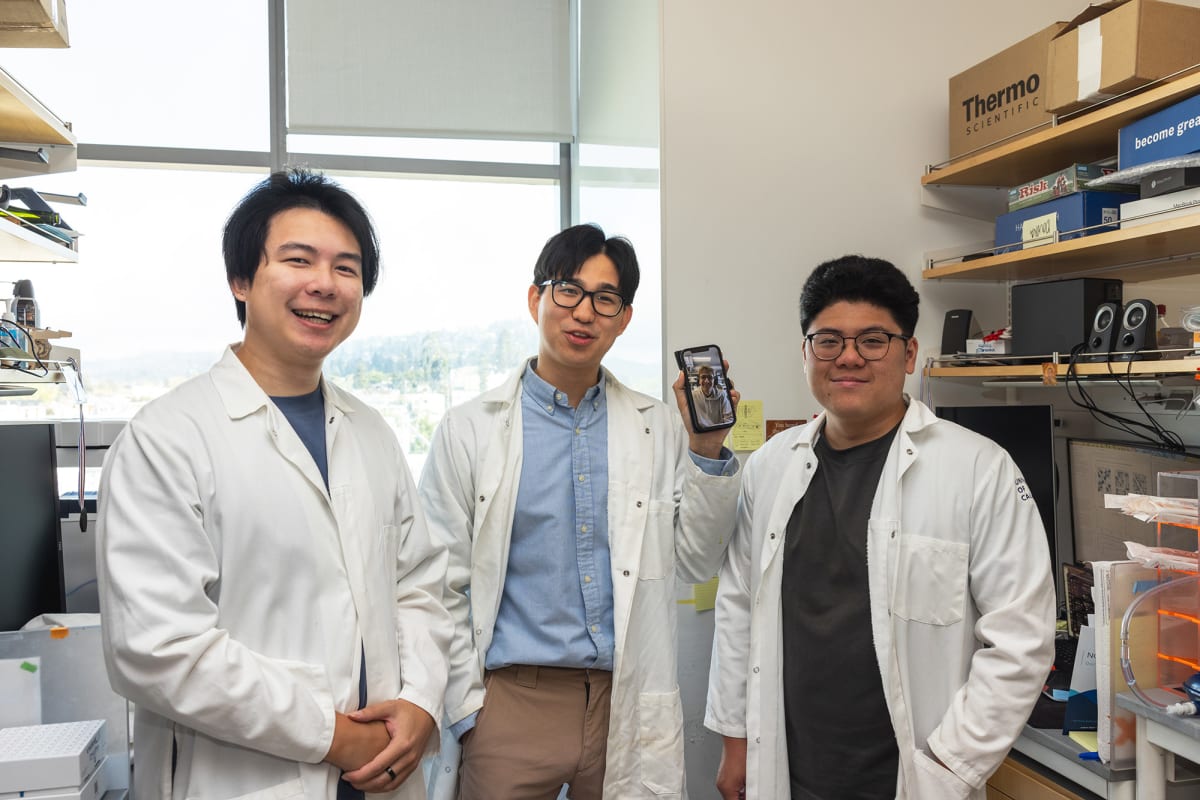
Researchers at UC Berkeley's Innovative Genomics Institute found an ancient ancestor of CRISPR hiding in viruses, not bacteria where CRISPR normally exists. The team, working in Nobel laureate Jennifer Doudna's lab, published their discovery in two connected papers in the journal Science last week.
The newly discovered system, named VIPR (Viral Interference Programmable Repeat), uses a coding method scientists had never seen before to find and attach to DNA. That's why researchers missed it for so long, even though it's been around much longer than CRISPR itself.
Here's where the story gets interesting. In nature, CRISPR works as an immune system that bacteria and archaea use to fight off viruses. These tiny organisms collect snippets of viral DNA and use matching pieces of RNA like a wanted poster to spot invaders and destroy them.
But VIPR was doing this first, as a weapon made by viruses to fight other viruses. Bacteria essentially stole this viral technology and repurposed it to defend themselves against the very enemies that created it.
Think of it like discovering that your home security system was originally designed by burglars, then stolen and modified by homeowners to keep burglars out. Nature pulled off the ultimate heist and turnabout.
Why This Inspires
This discovery shows how evolution creates solutions through unexpected paths. What started as a viral weapon became a bacterial defense system, and eventually became a tool helping humans cure genetic diseases and develop better crops.
The finding also opens new doors for biotechnology. Understanding VIPR's unique DNA-binding method could lead to even more precise gene-editing tools. Scientists now have a deeper toolkit for fighting disease and solving problems we haven't even imagined yet.
The research reminds us that breakthroughs often come from looking at familiar things in completely new ways. Sometimes the biggest discoveries are hidden in plain sight, waiting for someone to notice what everyone else overlooked.
Science just proved once again that the most powerful innovations often come from the most unexpected places.
Based on reporting by Google News - Researchers Find
This story was written by BrightWire based on verified news reports.
Spread the positivity!
Share this good news with someone who needs it