Nutrition Experts Push for Better US Dietary Guidelines
America's new dietary guidelines sparked debate among scientists who are calling for clearer, more accessible nutrition advice. The controversy highlights growing momentum for food systems reform that could help millions eat healthier.
When nutrition experts reviewed America's latest dietary guidelines, they didn't stay silent. Scientists are speaking up for clearer, evidence-based nutrition advice that actually helps people make healthier choices.
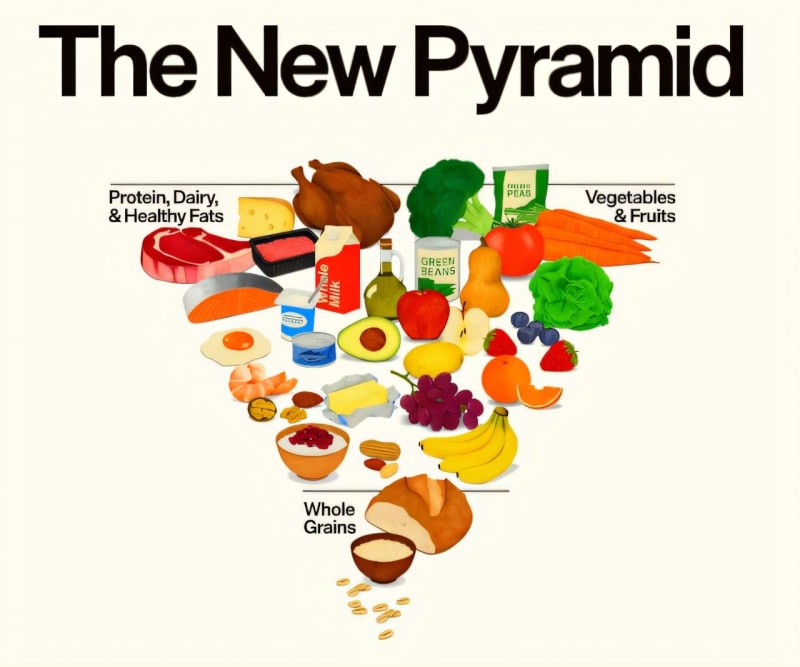
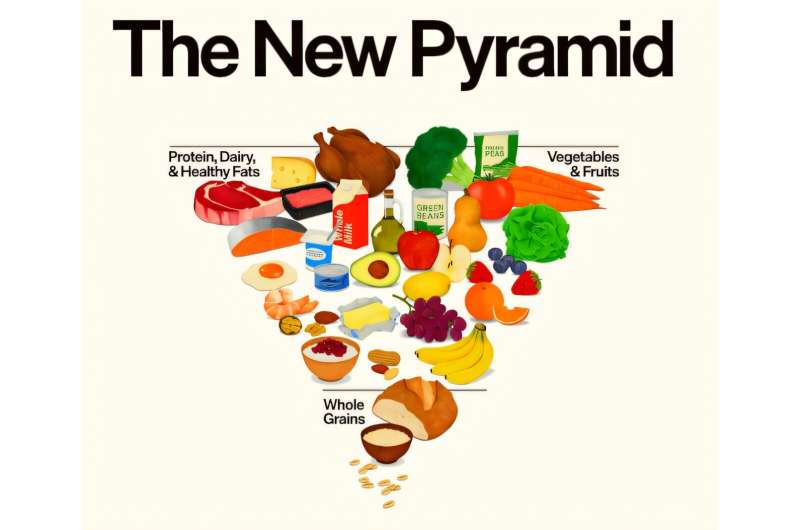
The new guidelines brought back the food pyramid visual after years of using a dinner plate image. Some familiar advice remains: eat five servings of fruits and vegetables daily, watch portion sizes, choose whole foods over processed options, and keep saturated fat under 10% of daily calories.
But experts noticed something important. The flashy pyramid graphic doesn't match the written recommendations, creating confusion about how much of each food group people should actually eat. Whole grains sit at the pyramid's narrow bottom despite recommendations for two to four servings daily.
This disconnect matters because these guidelines shape what 30 million Americans eat through school lunch programs, military meals, and nutrition assistance. Clear communication isn't just nice to have. It's essential for public health.
The controversy revealed something encouraging: nutrition scientists are united in pushing for better approaches. Researchers from 18 countries recently found that only 14% to 45% of people successfully follow dietary recommendations, proving current methods need improvement.
Why This Inspires
The World Health Organization and scientists worldwide are championing a smarter solution: food systems-based guidelines. Instead of just telling people what to eat, this approach addresses whether healthy foods are accessible, affordable, and available in all communities.
This bigger-picture thinking acknowledges real barriers people face. In areas flooded with cheap, high-calorie processed foods and limited fresh produce, individual willpower isn't enough. Systemic change matters.
Countries developing their own dietary guidelines increasingly consider environmental impact and health equity alongside nutrition science. This broader perspective represents genuine progress in how we think about feeding populations well.
The scientific community's vocal response to confusing guidance shows experts are committed to getting nutrition right. They're not accepting unclear messaging that could derail public health progress.
Nutrition science keeps evolving, and researchers worldwide are working toward guidelines that actually work for real people in real communities—a future worth building toward.
More Images



Based on reporting by Medical Xpress
This story was written by BrightWire based on verified news reports.
Spread the positivity!
Share this good news with someone who needs it