NY Cemetery Hosts 8 Million Bees in Unexpected Haven
A New York cemetery hosts up to 8 million ground-nesting bees, making it one of the world's largest known populations. Scientists say final resting places are becoming critical wildlife refuges.
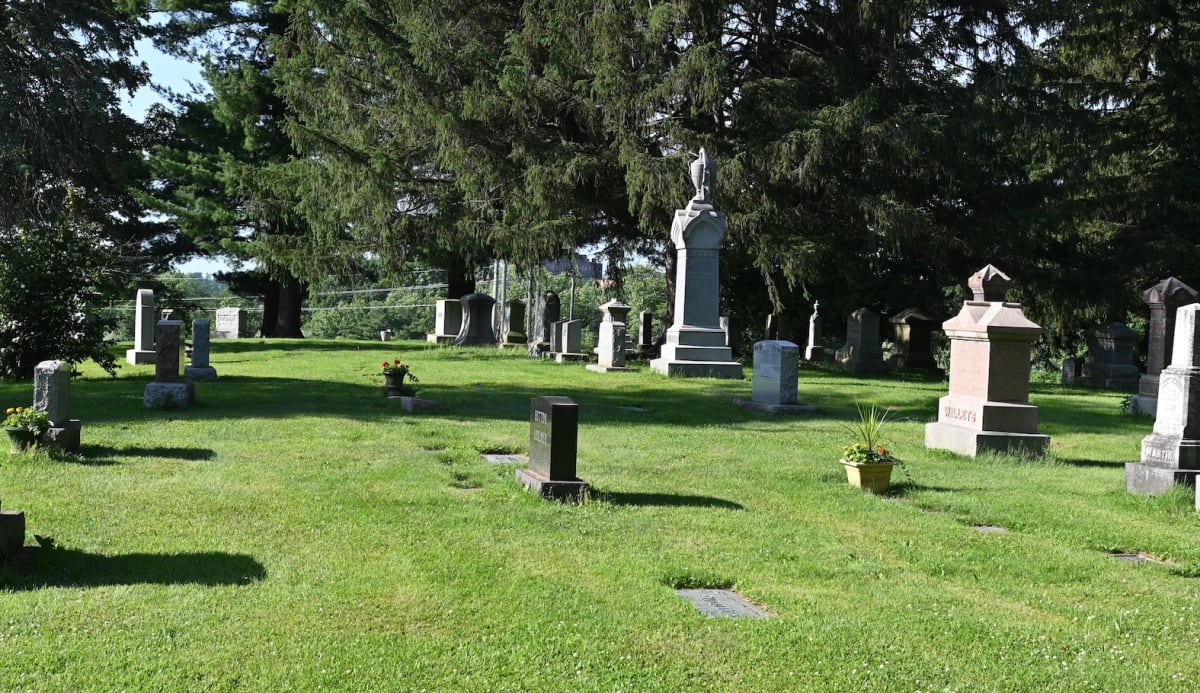
Underneath the tombstones at East Lawn Cemetery in Ithaca, New York, millions of tiny miners are hard at work.
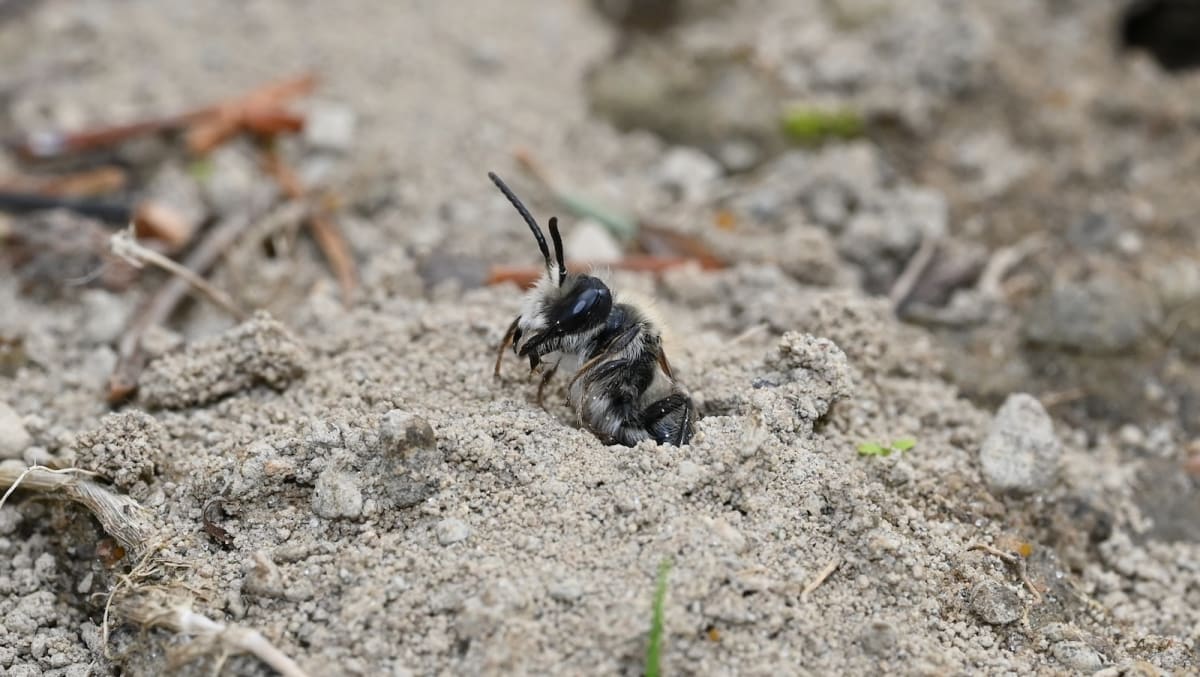
They're not ghosts but regular miner bees, fuzzy black and tan pollinators that have turned this unlikely spot into one of the world's biggest known communities of ground-nesting bees. Scientists at Cornell University estimate between 3 million and 8 million bees call this cemetery home.
Most of us picture bees living in hives with queens and workers making honey. But 90 percent of bee species are actually solitary, digging individual tunnels underground to lay their eggs.
The regular miner bee is one of these solo operators. Each spring, adults emerge from cavities beneath the cemetery lawn to pollinate local plants, including New York's valuable apple crops.
Why would bees choose a cemetery? It turns out the same features that make good burial grounds work perfectly for ground-dwelling bees too.
"Places that don't flood, and places that are easy to dig and don't collapse when you dig them," explained Jordan Kueneman, a community ecologist at Cornell and study coauthor. The bees are drawn to these same characteristics humans look for.
Even the regular lawn mowing might help. Short grass lets the ground warm up faster, helping bees become active earlier in the day and easily access their nests.
The population isn't just big. It's healthy too.
Researchers found a thriving proportion of female bees, which require more resources to produce than males. They even discovered cuckoo bees, parasites that invade miner bee burrows to lay their own eggs, another sign of a robust population worth targeting.
In some spots, thousands of individual bees were emerging from a single square meter of ground. The density was extraordinary.
The Ripple Effect
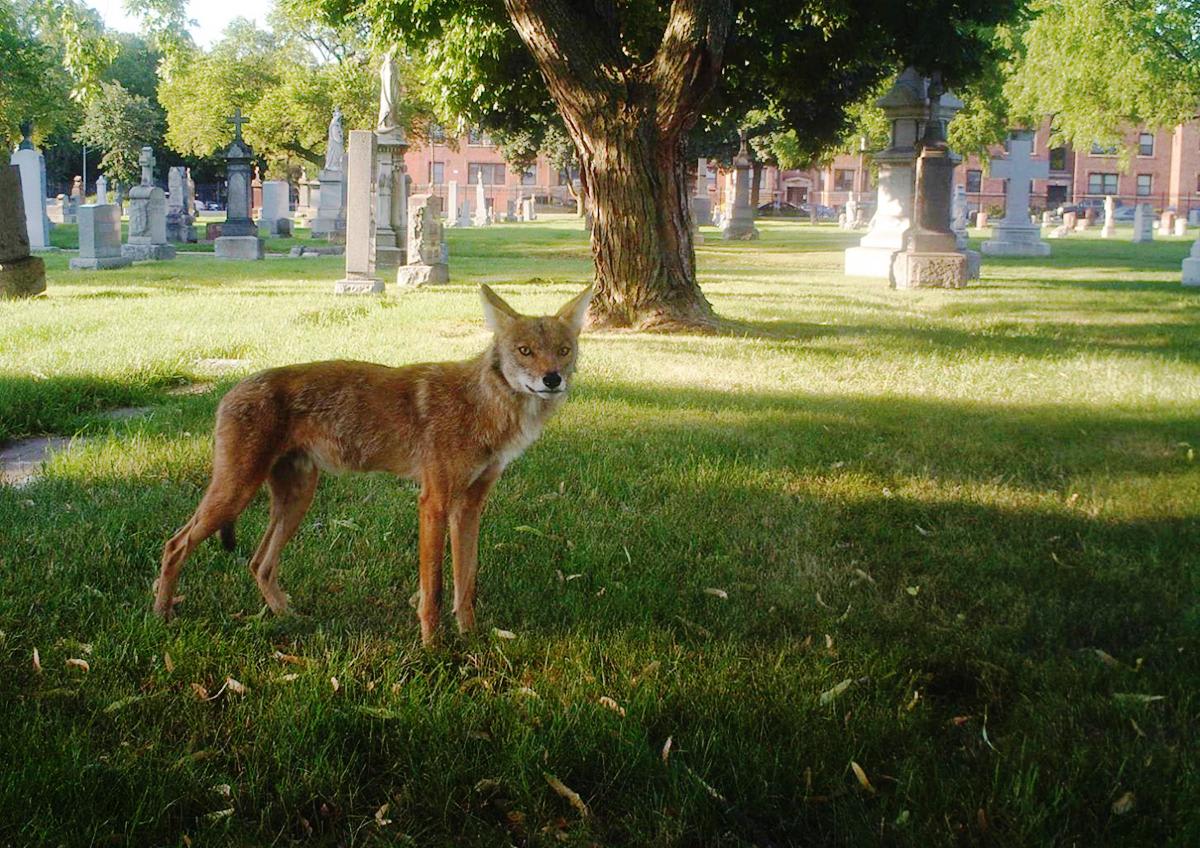
This discovery adds to growing evidence that cemeteries provide essential habitats for wildlife in increasingly urbanized areas. Bats, migrating geese, owls, coyotes, and rare plants are all finding refuge among the headstones.
With bees facing serious threats from habitat loss and insecticides, these unexpected sanctuaries matter more than ever. We need pollinators to fertilize crops as climate change brings rising temperatures and unpredictable weather.
"It's exciting to see that things like this are being discovered, where you find biodiversity in unexpected places," said Christopher Grinter, an entomology expert at the California Academy of Sciences who wasn't involved in the research.
The finding offers a simple revelation: protecting pollinators doesn't always require wild landscapes. Sometimes the most helpful thing we can do is recognize and nurture the thriving ecosystems already hidden in plain sight.
More Images


Based on reporting by Grist
This story was written by BrightWire based on verified news reports.
Spread the positivity!
Share this good news with someone who needs it