NY Utilities Push to Build Wind and Solar Farms Again
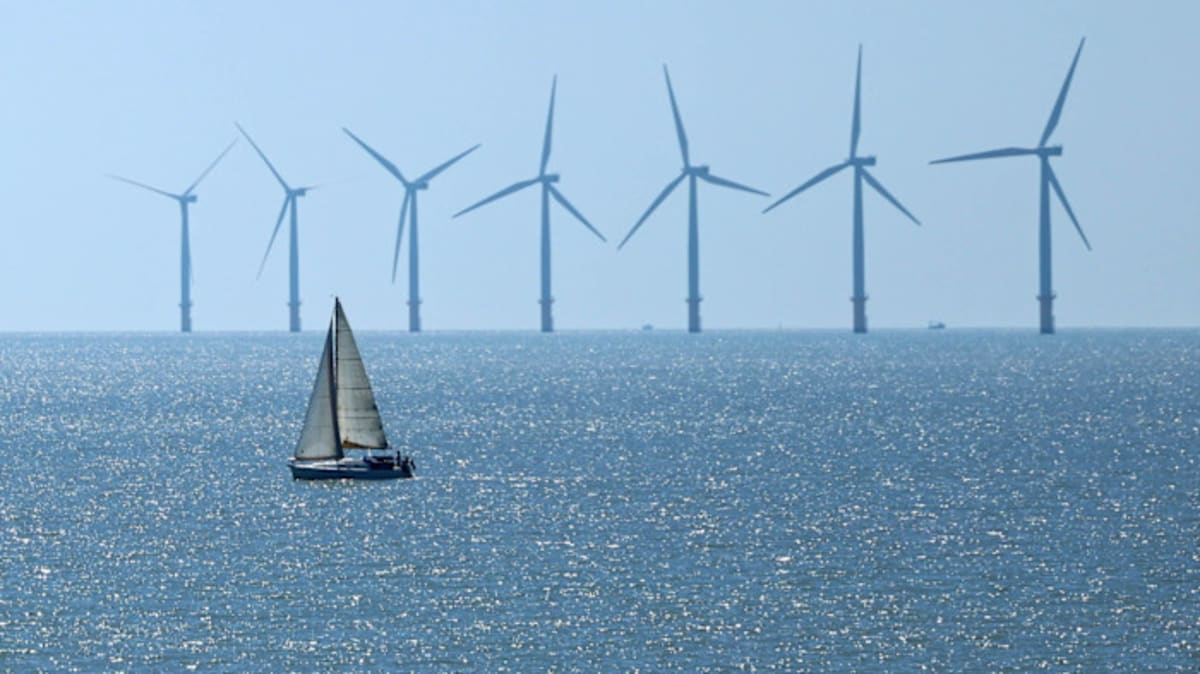
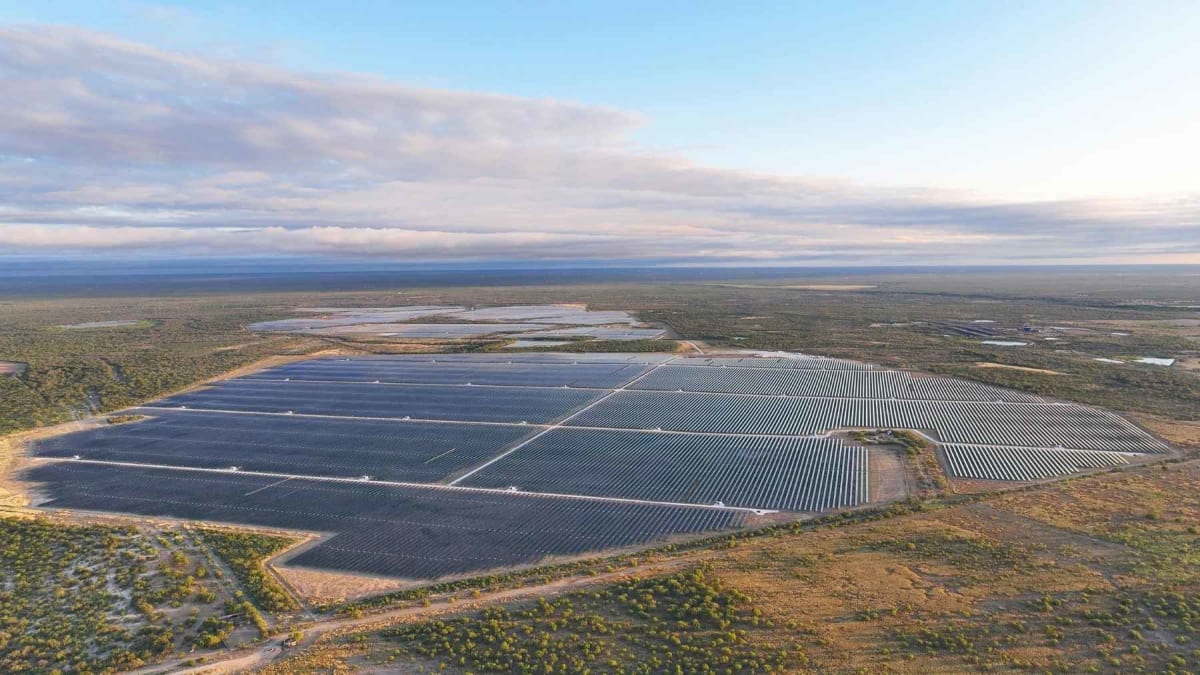
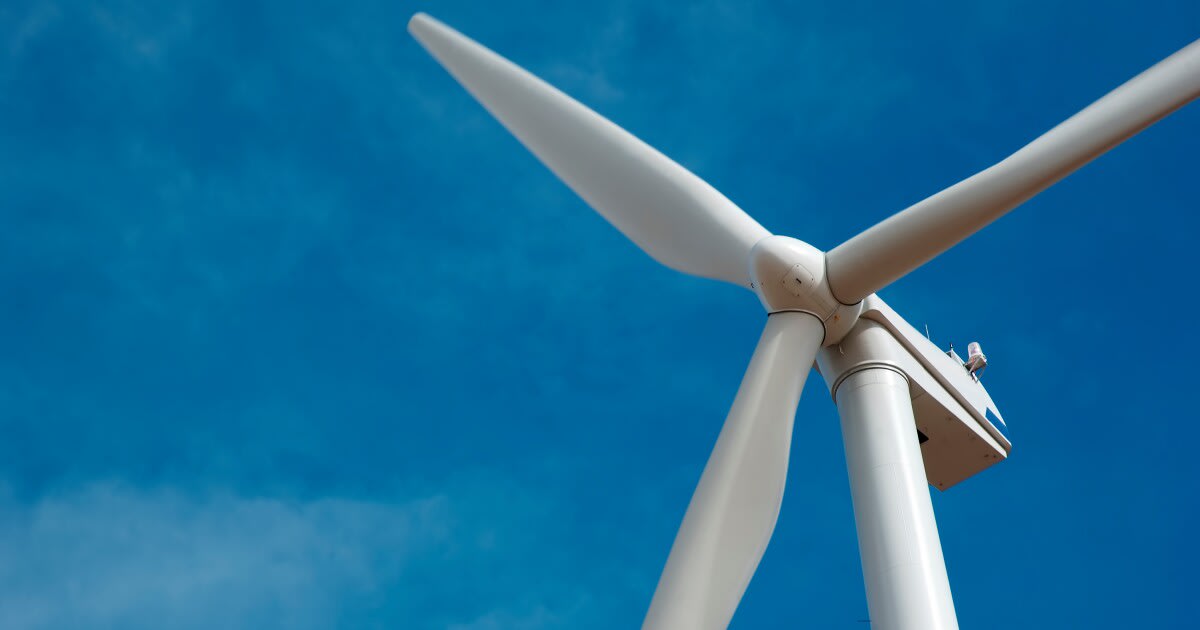
New York utilities want to generate their own renewable energy for the first time since the 1990s, arguing they can help the state meet climate goals faster. The proposal could reshape how New York builds its clean energy future.
After three decades on the sidelines, New York's power companies are asking for permission to build wind and solar farms again. The move could accelerate the state's ambitious climate goals while reigniting debates about who should control clean energy development.
State regulators forced utilities to sell their power plants in the 1990s to boost competition and lower costs. Now companies like Rochester Gas and Electric and New York State Electric and Gas argue the opposite approach is needed.
The utilities claim independent power producers haven't kept pace with New York's renewable energy targets. Supply chain issues and financial pressures have slowed progress, they say, leaving gaps in the state's clean energy timeline.
"For decades, New Yorkers have been told that deregulation would lower costs and improve outcomes," said Avangrid, the parent company of several New York utilities. They argue that rising prices and unmet generation needs show a different reality.
The Public Service Commission is now weighing whether to allow utilities back into power generation. The decision could influence how quickly New York adds solar panels and wind turbines to its grid.
Not everyone sees this as progress. Independent power producers have launched a six-figure campaign opposing the change, warning it could actually slow down renewable projects.
"It's just going to cause delays in projects that need to be built," said Gavin Donohue, president of the Independent Power Producers of New York. His group argues utilities already have options through affiliated companies but choose not to use them.
The Ripple Effect
The debate extends far beyond New York's borders. Pennsylvania, Ohio, New Jersey, and Illinois are all wrestling with similar proposals from their utilities.
Harvard Law School's Ari Peskoe points to a critical question underlying these discussions: who bears the financial risk when projects don't go as planned? When utilities build renewable projects, ratepayers typically shoulder that risk through regulated rates.
The utilities counter that they already have the expertise and resources needed. They say they can bring in specialized knowledge when required and argue an "all of the above" approach gives New York the best shot at meeting its climate commitments.
As energy demand grows and clean energy deadlines approach, New York faces a choice about the best path forward. What both sides agree on is the urgency of building more renewable power sources quickly.
The commission hasn't set a timeline for its decision, but the outcome could define New York's energy landscape for decades to come.
More Images

Based on reporting by Google News - Wind Energy
This story was written by BrightWire based on verified news reports.
Spread the positivity!
Share this good news with someone who needs it