NYC Church Cuts Emissions With Underground Heat System
A 100-year-old New York church installed a geothermal system that heats and cools its buildings using pipes drilled hundreds of feet underground. The project is showing other urban properties how to slash emissions while saving money long-term.
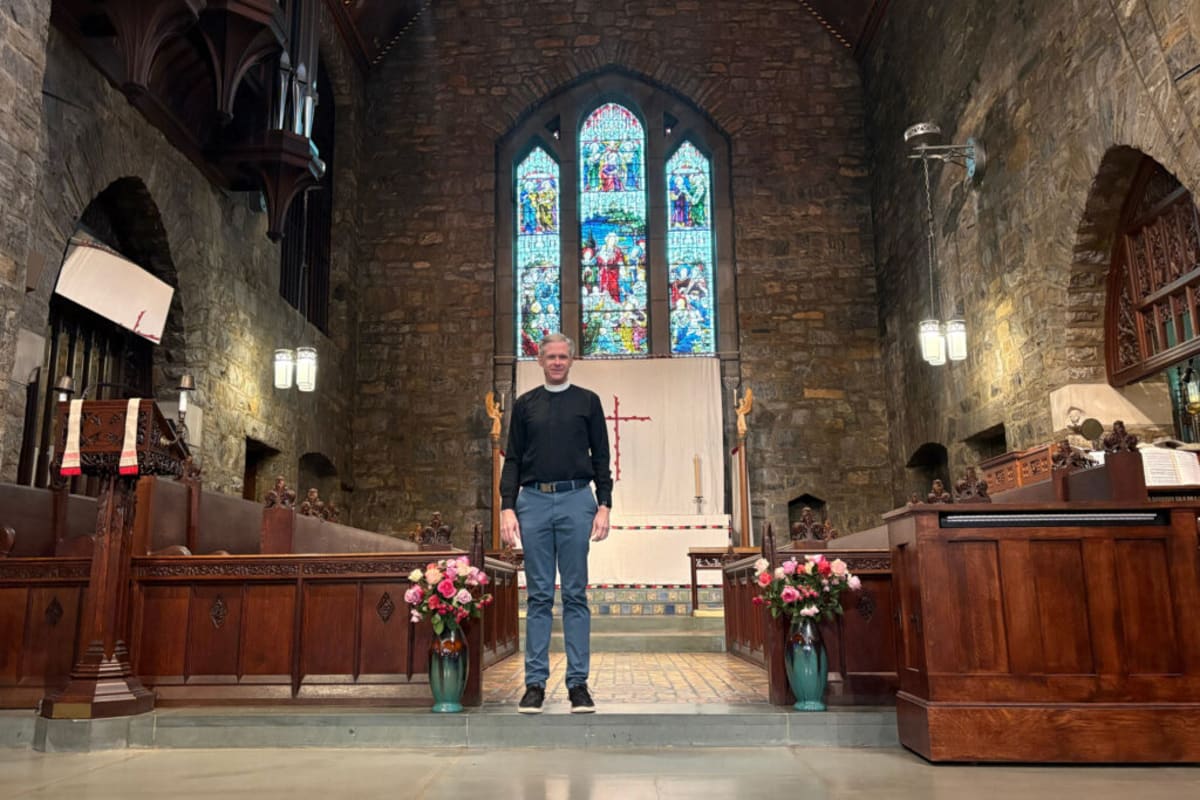
For decades, parishioners at Christ Church Bronxville endured sweltering 85-degree services every summer because the century-old building had no air conditioning. Children in the attached daycare center struggled through hot hallways despite window AC units that couldn't keep up.
Now, the church stays comfortable year-round thanks to an ingenious system hiding beneath the parking lot. Pipes drilled hundreds of feet underground tap into the Earth's constant temperature to heat the building in winter and cool it in summer.
Rev. Kurt Gerhard and church leaders faced a choice: install traditional boilers and AC units, or invest in something that would last the next century. They chose the geothermal system, which started operating six months ago and is already proving its worth.
The technology works by circulating water through underground loops. In winter, the water absorbs heat from deep in the ground and carries it into the building through heat pumps. In summer, the process reverses, pulling heat out of the building and storing it underground for later use.
The system runs entirely on electricity, eliminating the church's reliance on natural gas. That matters because buildings generate more than two-thirds of New York City's greenhouse gas emissions.
Urban geothermal installations face unique hurdles. Engineers must navigate strict safety rules and avoid underground obstacles like subway tunnels and water mains. In some New York neighborhoods, they encounter unstable artificial fill placed there decades ago to support construction.
Despite upfront costs exceeding $1 million, the church found help. New York utilities offer financial support for property owners making the switch, and some federal tax rebates remain available. State laws passed since 2019 are pushing more buildings toward these solutions by placing escalating limits on emissions and banning natural gas in certain new construction.
The Ripple Effect
Christ Church Bronxville's geothermal system could inspire hundreds of similar projects across dense urban areas. The underground pipes last at least 50 years, meaning the church avoided decades of expensive boiler replacements while dramatically cutting its carbon footprint.
Zachary Fink, founder of ZBF Geothermal, led the installation and sees it as proof that older buildings in tight spaces can make the transition. The project shows that what works in suburban parking lots can also work in crowded city blocks.
For Gerhard, the decision reflects the church's environmental "calling." The capital campaign that funded the project was named "The Next 100," honoring a century of service while investing in another.
Now children play in cool hallways, congregants worship in comfort, and the church demonstrates that cutting emissions doesn't mean sacrificing quality of life.
Based on reporting by Inside Climate News
This story was written by BrightWire based on verified news reports.
Spread the positivity!
Share this good news with someone who needs it