NYC Congestion Pricing Wins in Court, Air Quality Soars
A federal judge ruled that New York City's groundbreaking congestion pricing program can continue, protecting cleaner air and transit funding for millions. Since launch, the program has cut harmful air pollution by 22 percent in Manhattan's busiest areas.
New York City just won a major legal battle to keep its air cleaner and its streets less clogged. A federal judge ruled this week that the Trump administration's attempt to shut down the city's innovative congestion pricing program was unlawful, securing a future for the nation's first toll system designed to reduce traffic and fund public transit.
The program charges drivers between $9 and $21.60 to enter Manhattan's busiest areas during peak hours. Since it launched, the results have been remarkable.
Air quality has improved dramatically across the city and neighboring New Jersey. One study found a 22 percent drop in fine particulate matter on Manhattan blocks below 60th Street, the type of pollution that contributes to asthma, heart disease, and cancer.
That matters because long-term exposure to this pollution causes an estimated 2,000 premature deaths each year in New York City alone. Now, fewer cars entering downtown means residents are breathing easier.
U.S. District Judge Lewis Liman rejected Transportation Secretary Sean Duffy's February attempt to revoke federal approval of the program. Environmental groups and transit advocates argued successfully that the administration's reasoning was "arbitrary and capricious."
"This is an example of the court standing up and saying, 'No, that's not how this democratic process works,'" said Dror Ladin, a senior attorney at Earthjustice, which represented environmental groups in the case.
The Ripple Effect
The benefits extend far beyond cleaner air. Traffic has decreased noticeably, buses run faster, and the tolls are funding desperately needed transit improvements.
The Metropolitan Transportation Authority plans to use revenue from the program to purchase 460 electric buses. That's especially meaningful for communities of color, which house 75 percent of the city's bus depots and bear the brunt of transit-related pollution.
"Our communities are guaranteed the system-wide improvements that they deserve and have long been deprived of for decades," said Kevin Garcia, senior transportation planner for the New York City Environmental Justice Alliance.
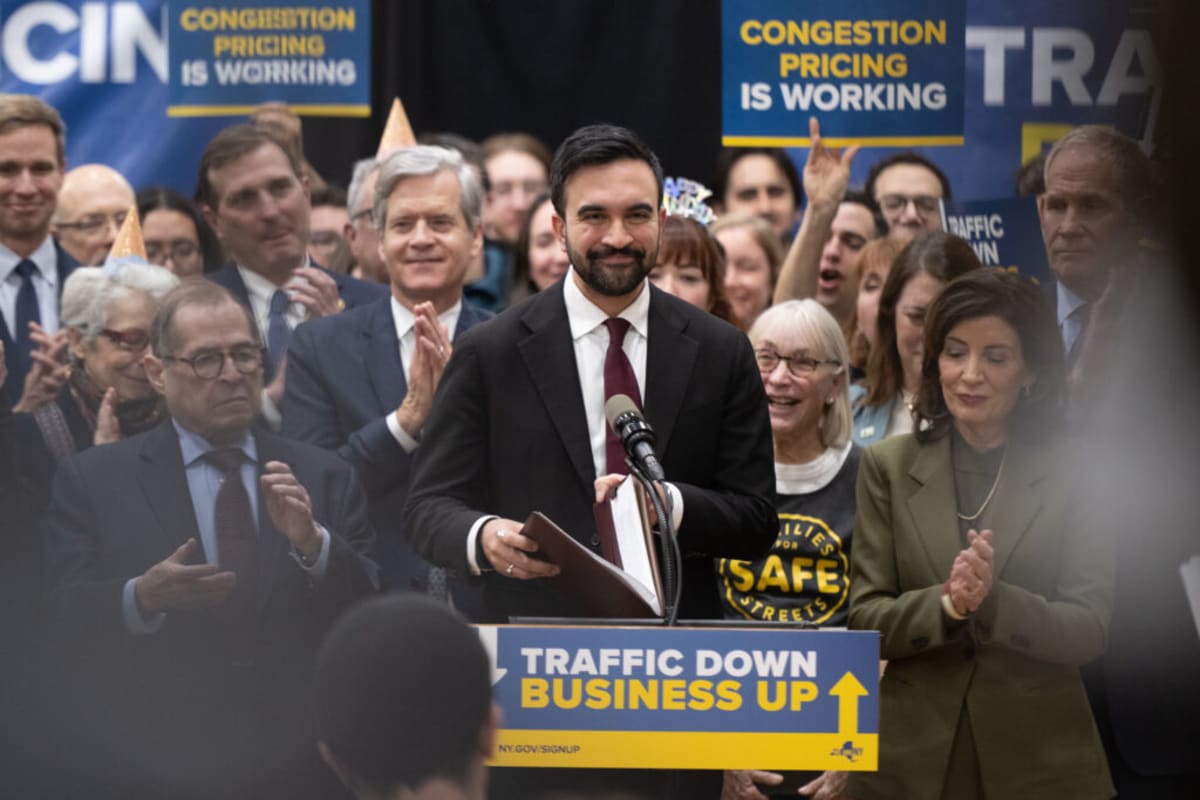
Governor Kathy Hochul, who initially paused the program but later championed it with lower tolls, called congestion pricing "a once-in-a-lifetime success story" and vowed it's "here to stay." The state recently celebrated one full year of cleaner air, faster commutes, and better funded public transportation.
While the federal government says it's reviewing legal options including an appeal, the court's decision sends a clear message: programs that protect public health and improve city life deserve legal protection.
Based on reporting by Inside Climate News
This story was written by BrightWire based on verified news reports.
Spread the positivity!
Share this good news with someone who needs it