NYC Expands Flood Defense Team After $1B Project Nears End
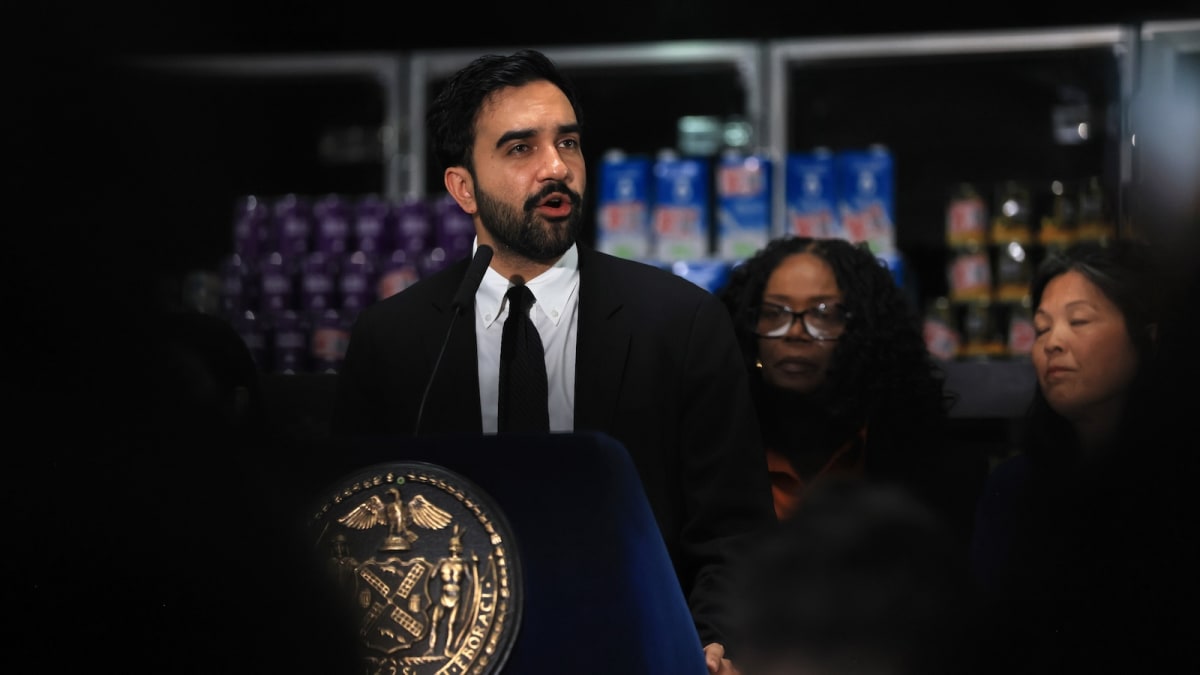
New York City's massive flood protection system, born from Hurricane Sandy's devastation, is almost complete. Now Mayor Zohran Mamdani is adding 70 new staff members to decide which vulnerable neighborhoods get protected next.
Thirteen years after Superstorm Sandy sent 14 feet of water crashing into New York Harbor, the city's billion-dollar response is finally taking shape.
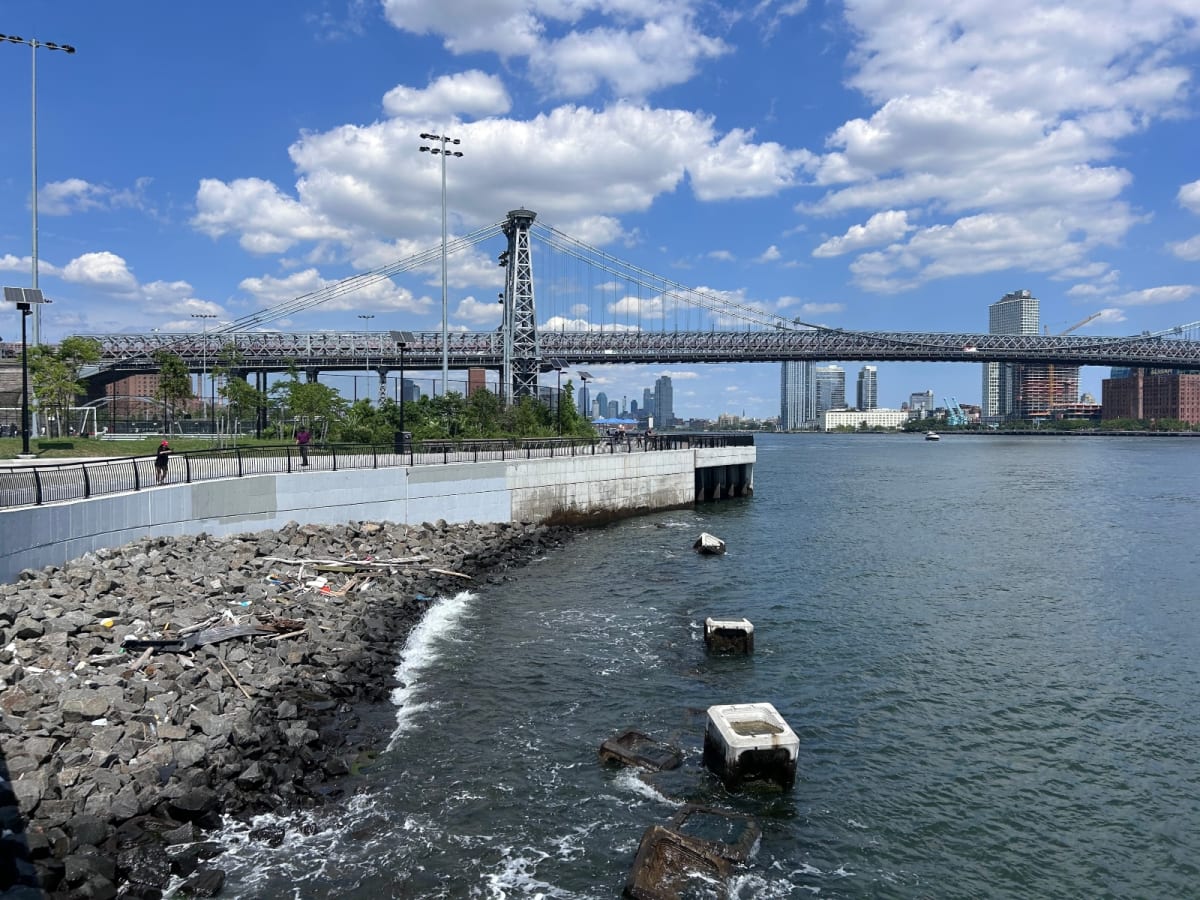
The elevated East River Park in Manhattan is welcoming sunbathers again. Rolling-track flood walls designed to deploy during storm surges will be ready by the 2027 hurricane season. And Mayor Zohran Mamdani just announced he's adding almost 70 new staff members to the Bureau of Coastal Resilience to manage what comes next.
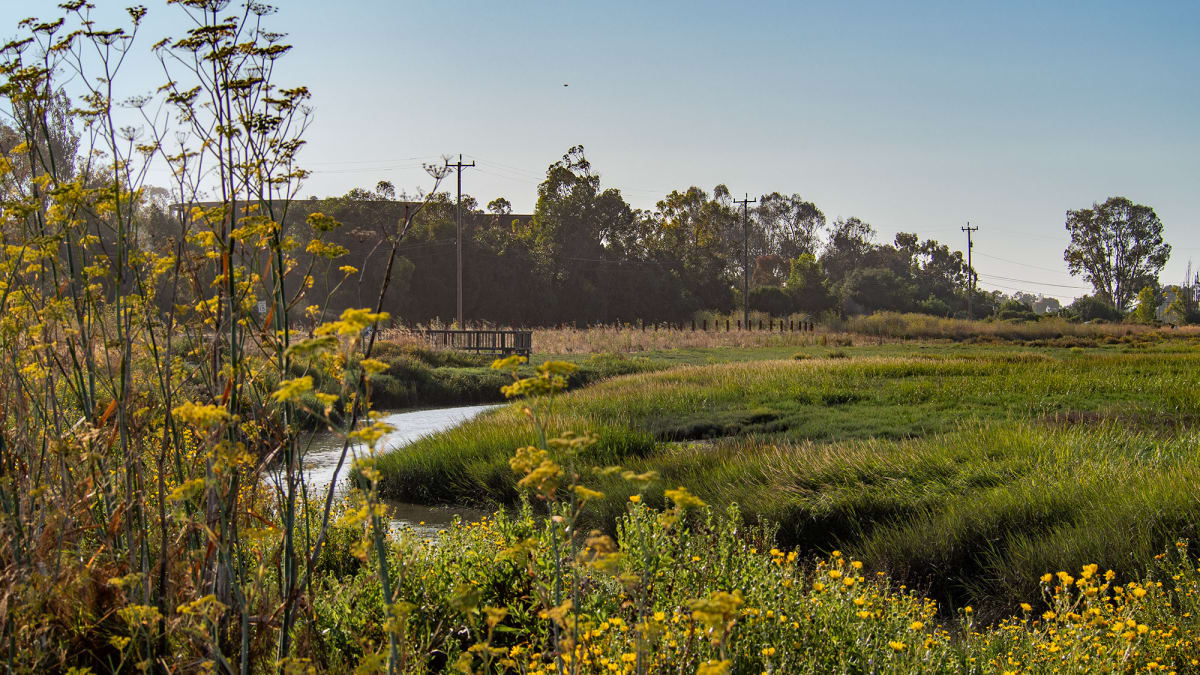
The new team faces a massive challenge. New York City has 520 miles of coastline protecting over 1 million residents and billions in property. Every mile looks different, from marshy southern Queens to Brooklyn's waterfront housing projects to Manhattan's Financial District towers.
"There was this huge investment of over a billion dollars to build these gates, and once you build it, you have to maintain it," said Lisa Garcia, the new commissioner for the Department of Environmental Protection. Her department will manage the flood system and deploy the gates before major storms.
But maintaining the gates is just the beginning. The harder question is which vulnerable neighborhoods get protected next, and how much protection they deserve based on their property values and populations.
That decision carries enormous political weight. When Norfolk, Virginia faced similar choices, officials controversially decided not to protect high-risk areas with lower property values. Instead, they helped those residents relocate or adapt to rising waters. Other coastal cities that tried "managed retreat" faced fierce pushback from residents demanding structural protections.
The Ripple Effect
Mamdani's approach could reshape how American cities think about climate adaptation and equity. He won office by building a coalition across lower-income outer borough neighborhoods, promising to make life more affordable for working families.
Coney Island shows what's at stake. The western edge faces constant "backdoor" flooding during heavy rain when ocean water rushes through creeks and overwhelms drains. Children sometimes can't walk to school because of standing water.
Despite being hammered by Sandy in 2012, Coney Island still has no new flood defenses. "After Sandy, neighborhoods in Manhattan had millions and millions of dollars invested," said Pamela Pettyjohn of the Coney Island Beautification Project. "There hasn't been any investment at all in Coney Island other than development."
The city is finally holding meetings with Coney Island residents about flood protection. The Department of Environmental Protection plans to start its master plan next year, analyzing both stormwater and coastal risks, with completion targeted for 2031.
The decisions won't be easy, but they'll be made with the largest coastal resilience team the city has ever had.
More Images
Based on reporting by Grist
This story was written by BrightWire based on verified news reports.
Spread the positivity!
Share this good news with someone who needs it