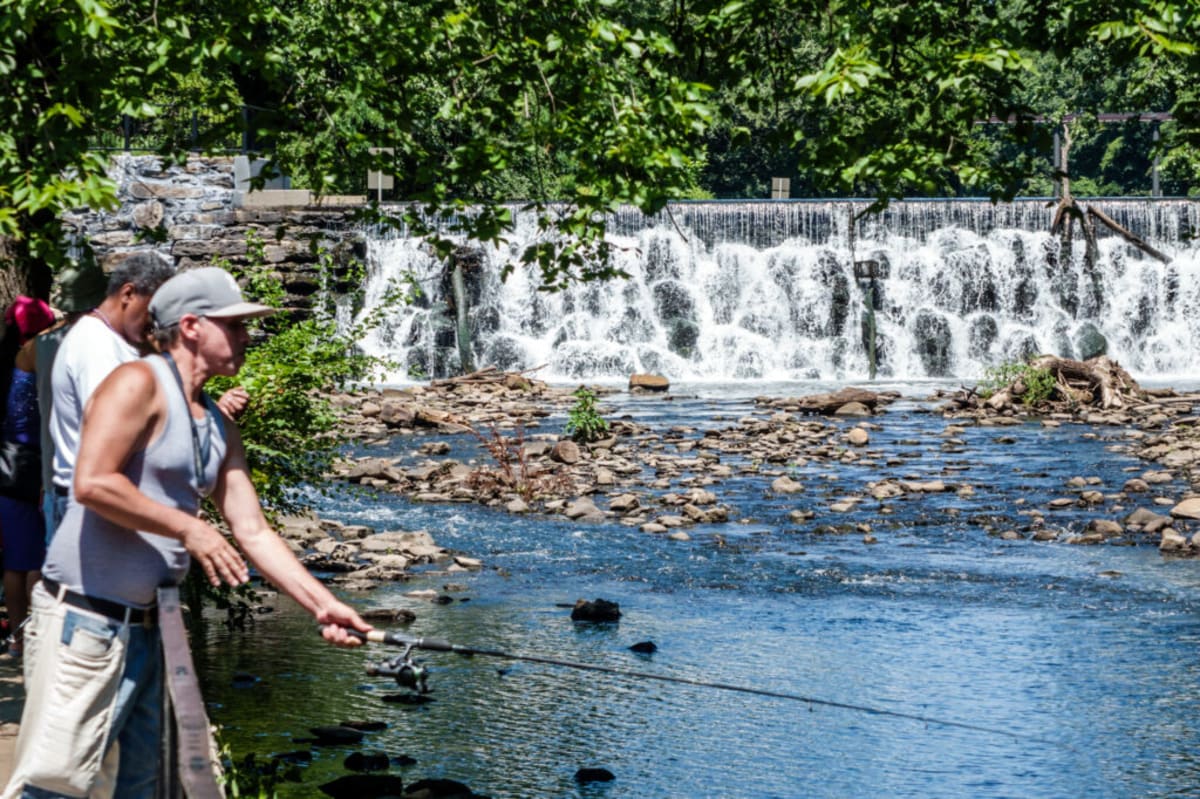
NYC Moves to Remove Bronx River Dams for Fish Revival
New York City just took a major step toward bringing river herring back to the Bronx River after decades of decline. State grants and federal plans aim to remove century-old dams that have blocked fish from reaching their spawning grounds.
For centuries, river herring swam freely up the Bronx River to lay their eggs, but today they face an obstacle course of four outdated dams that block their journey home.
Now, New York City's Department of Parks and Recreation has secured a state grant to remove the first barrier. The U.S. Army Corps of Engineers has also developed plans to take down two upper dams, bringing hope to a species that has hit historic population lows along the East Coast.
River herring is actually the nickname for two fish species: alewife and blueback herring. They once filled rivers from Maine to the Carolinas, but dams built during the industrial era cut them off from the upstream waters where they prefer to spawn.
"The number one reason that river herring has declined historically is because of dams," said Rebecca Swadek, director of wetlands management for the city Parks Department. These aging barriers serve no purpose today, but they remain deadly effective at blocking fish migration.
The impact goes beyond just the fish. Dams create slow-moving pools where harmful algae blooms and oxygen levels drop, damaging habitats for countless other species and disrupting the entire river ecosystem.
Each spring, adult river herring return from the ocean to the rivers where they were born. In the Bronx River, some make it past the lowest weir at high tide and climb a fish ladder at the second dam. But two more dams await them upstream, barriers they simply cannot cross.
Until the dams come down, the Parks Department has been trucking river herring from abundant Connecticut populations and releasing them above the 182nd Street Dam. It's a stopgap measure while officials work toward a permanent solution.
Sara Donatich, the Parks Department's senior project manager, noted that last year showed promising signs for the herring population after several years of steep declines. Fishing for river herring has been closed in the Bronx River since 2013 and restricted throughout Connecticut and the Hudson River to help populations recover.
The Ripple Effect
Removing these dams means more than just saving one fish species. River herring are a crucial food source for striped bass, eagles, and other predators. When they spawn successfully, they carry ocean nutrients upstream that fertilize entire river systems. Their return signals a healthier, more connected waterway that benefits everything from insects to birds to people who enjoy the river.
The project also represents a growing movement across America to remove obsolete dams and restore natural river flow. Thousands of old dams serve no modern purpose but continue blocking fish passage and degrading water quality.
With funding secured and plans in motion, the Bronx River is on track to flow freely again for the first time in over a century.
Based on reporting by Inside Climate News
This story was written by BrightWire based on verified news reports.
Spread the positivity!
Share this good news with someone who needs it