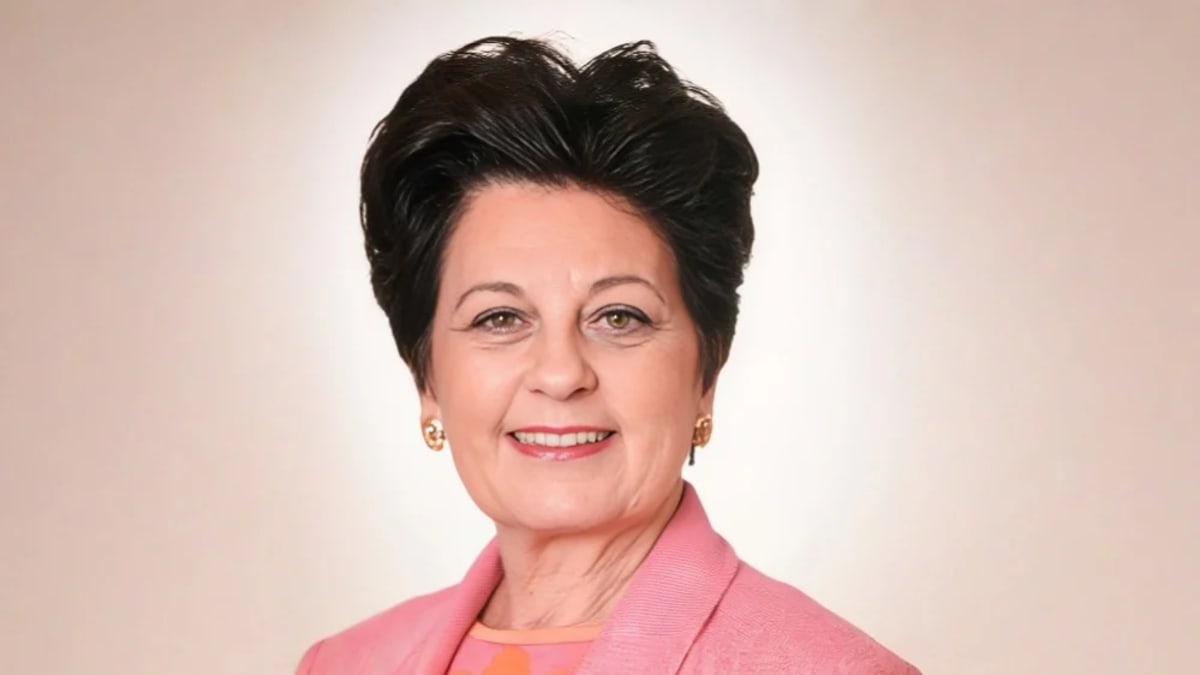
NYU Researcher Fights to Make Asian Women Visible in Medicine
Asian American women face higher rates of liver cancer and heart disease, yet receive almost no research funding and are left out of most health studies. Now, a public health expert is leading the charge to rewrite the rules.
For decades, Asian American women have been called the healthiest group in America. But NYU researcher Stella Yi knows that label is dangerously wrong.
Yi, an associate professor at NYU Grossman School of Medicine, studies what most researchers miss. Asian American women actually face sky-high rates of liver cancer, osteoporosis, and vitamin D deficiency. South Asian and Filipino women develop heart disease at younger ages and lower body weights than other groups.
The shocking part? These women have the lowest screening rates for mammograms and HPV vaccines that could save their lives.
The problem starts with the data. Most U.S. health studies only recruit people who speak perfect English, automatically excluding 36% of Asian American women. Over 26 years, the National Institutes of Health spent just 0.17% of its clinical research budget studying Asian Americans, despite them being the fastest growing group in the country.
When researchers do collect data, they lump over 50 different Asian countries into one category. That single average hides the truth: a South Asian woman's heart disease risk looks nothing like an East Asian woman's.
Yi experienced this erasure firsthand when a colleague was denied diabetes screening. The doctor assumed her "normal" BMI meant no risk, ignoring that South Asian women develop diabetes at lower weights.
Why This Inspires
Yi isn't just documenting the problem. She's building solutions that put Asian American women at the center of their own care.
Her work supports initiatives like Screen at 23, which helps doctors recognize diabetes risk in Asian Americans at lower BMIs. She connects communities to the Multi-Ethnic Observational Study, which collects data that actually reflects Asian bodies when setting drug dosages and screening ages.
Yi also champions data disaggregation laws that force hospitals to track different Asian ethnic groups separately. Organizations like the Coalition for Asian American Children and Families are already winning these policy fights in multiple states.
The shift is starting to work. More community health centers now offer multilingual studies. More doctors are learning that a Filipino woman's health needs differ from a Korean woman's.
Yi's message is simple: Asian American women deserve research that reflects their realities, not stereotypes. After years of being statistically invisible, they're finally demanding that science catch up to their lived experiences.
Medicine is slowly learning to see what was hiding in plain sight all along.
More Images




Based on reporting by Womens Health
This story was written by BrightWire based on verified news reports.
Spread the positivity!
Share this good news with someone who needs it