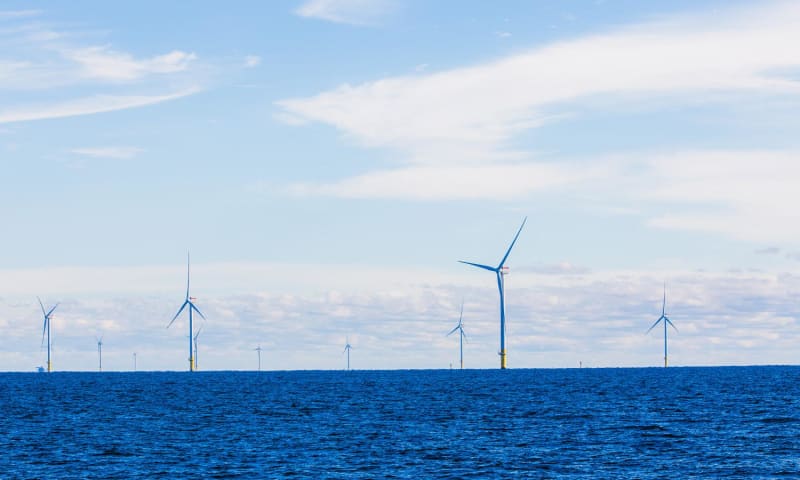
Offshore Wind Could Cut New England Winter Outages 75%
New offshore wind projects could slash New England's winter power outage risk by up to 75% while lowering electricity bills. The region's strongest ocean winds blow during the coldest months when energy demand peaks.
New England residents could soon see more reliable power and lower winter electricity bills, thanks to a breakthrough analysis of offshore wind energy potential.
A new study from the Union of Concerned Scientists shows that just two offshore wind projects could have reduced winter power outage risk by 55% during the 2024-2025 season. A larger fleet would have cut that risk by 75%.
The timing couldn't be better. New England's electric grid struggles most during winter months when heating demands soar and energy supplies get stretched thin. Families face the double burden of keeping warm and paying sky-high seasonal electricity bills.
Here's where offshore wind changes the game. Ocean winds blow strongest during winter, exactly when the region needs power most. The analysis found that wind farms totaling 1,500 megawatts of capacity would have delivered substantial energy during the recent winter season.
Scale it up to 3,500 megawatts, and the impact grows even more impressive. That larger offshore wind fleet would supply more local renewable energy than all the liquified natural gas the region currently imports.
The research team analyzed actual wind speed data from winter 2024-2025 to understand how offshore turbines would perform during real cold weather conditions. Their findings point to a practical solution for a region that has relied heavily on imported fossil fuels.
The Ripple Effect
This shift toward homegrown renewable energy means more than just keeping the lights on. Lower outage risks translate to fewer disruptions for hospitals, schools, and businesses that depend on steady power.
Local energy production also shields consumers from price spikes caused by global fuel markets. When natural gas prices jump during cold snaps, families currently have no choice but to pay up or freeze.
Offshore wind farms create another advantage: they work alongside existing solar panels and onshore wind turbines. On cloudy winter days when solar production drops, ocean winds pick up the slack. This combination of renewable sources creates a more resilient energy system.
The study arrives as New England states push forward with offshore wind projects already in development. These findings give policymakers and utilities concrete data showing how much reliability improvement to expect.
Families across the region may soon experience winters with both warmer homes and cooler utility bills.
Based on reporting by Google News - Wind Energy
This story was written by BrightWire based on verified news reports.
Spread the positivity!
Share this good news with someone who needs it