Offshore Wind Could Save Australia $7.8B in Grid Costs
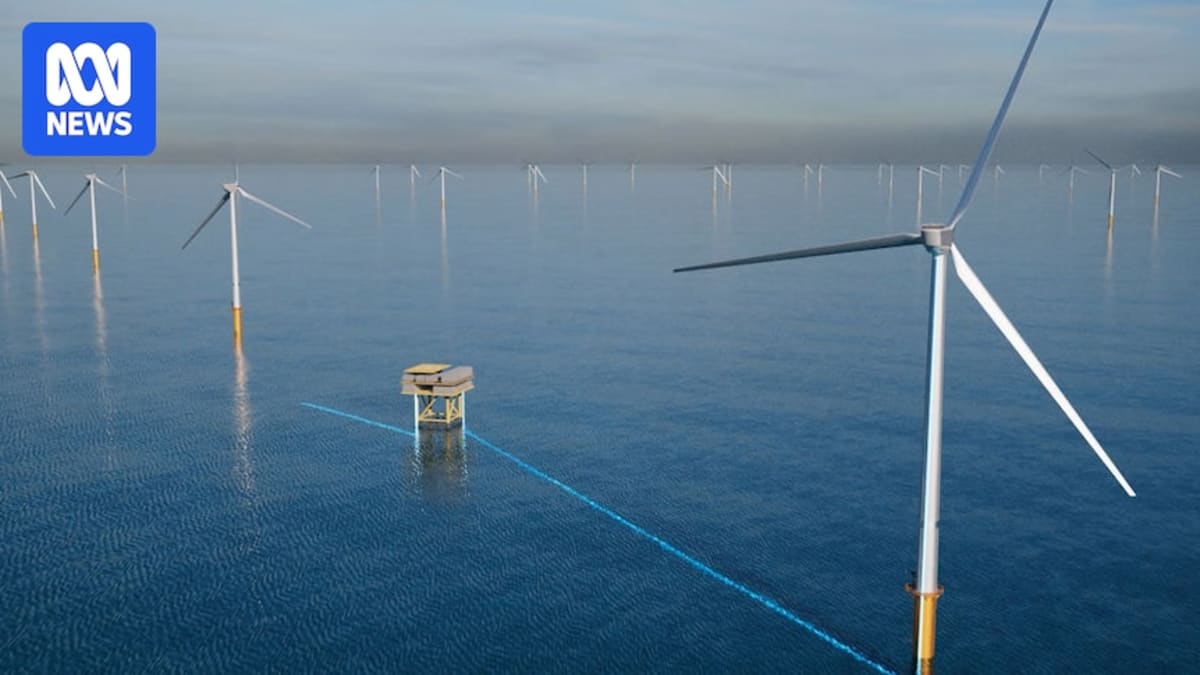
Victoria's offshore wind farms could slash power bills and save nearly 1,000 kilometers of powerlines from carving through farmland. A new report shows the ocean-based turbines would pay for themselves while protecting agricultural land.
Imagine saving billions of dollars and hundreds of miles of power infrastructure just by moving wind turbines offshore. That's exactly what a new report says Victoria, Australia can achieve.
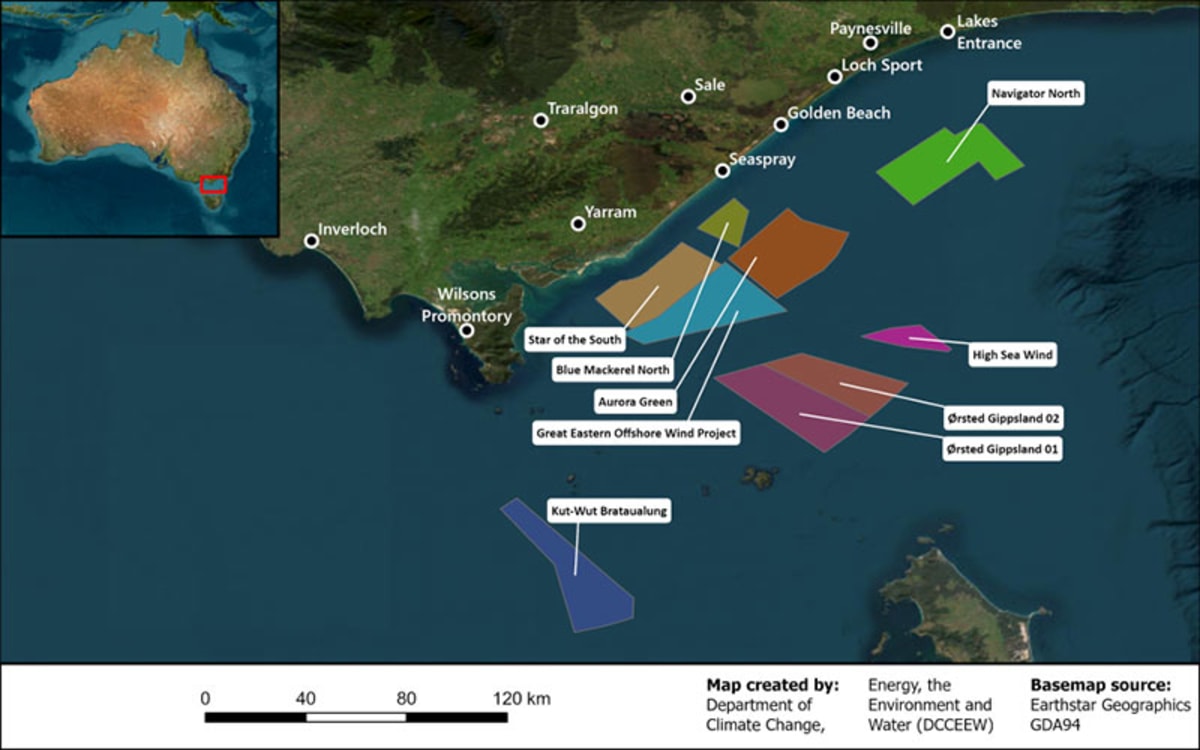
A study by global consultancy Jacobs found that building offshore wind farms off Victoria's Gippsland coast would save the national grid $7.8 billion between 2026 and 2060. Even better, it would eliminate the need for 930 kilometers of high-voltage powerlines cutting across farmland.
The analysis looked at building 7 gigawatts of offshore wind power compared to relying solely on land-based renewable energy. While offshore wind costs $1 billion more upfront, the long-term savings are substantial.
The report predicts wholesale power prices would drop by $5 per megawatt hour between 2033 and 2040. For everyday Australians, that means lower electricity bills during a time when energy costs have been climbing.
The Ripple Effect
The benefits extend far beyond cost savings. Farmers have been fighting proposed transmission lines that would run through prime agricultural land, cutting up properties that have fed communities for generations.
Brett Hosking, president of the Victorian Farmers Federation, sees offshore wind as a solution that satisfies multiple needs. "We need a diversified energy supply in this state," he said, noting that the current approach to building transmission infrastructure "is failing us."
Offshore wind takes advantage of stronger, more consistent ocean breezes and larger turbines that generate more electricity. The Gippsland location offers another bonus: it sits near Victoria's retiring coal-fired power stations, making it easy to plug into existing grid connections.
Australia faces a massive energy transition as 90 percent of its coal plants are expected to close by 2035. The country has been racing to replace that capacity with solar panels and onshore wind turbines, often in remote areas that need entirely new transmission lines.
The federal government has already declared the waters off Gippsland as Australia's first offshore wind zone. Nine projects are now seeking approval to build there, with Victoria targeting 4 gigawatts of offshore wind by 2035 and 9 gigawatts by 2040.
Energy experts from the Grattan Institute called the analysis credible, though some want to see the complete data before fully endorsing the findings. Still, the core logic holds: offshore wind could deliver cleaner energy while preserving farmland and saving money.
The ocean winds off Victoria's coast might just power a solution that works for farmers, families, and the future.
More Images


Based on reporting by ABC Australia
This story was written by BrightWire based on verified news reports.
Spread the positivity!
Share this good news with someone who needs it