Ohio Governor Calls to End Death Penalty After 45 Years
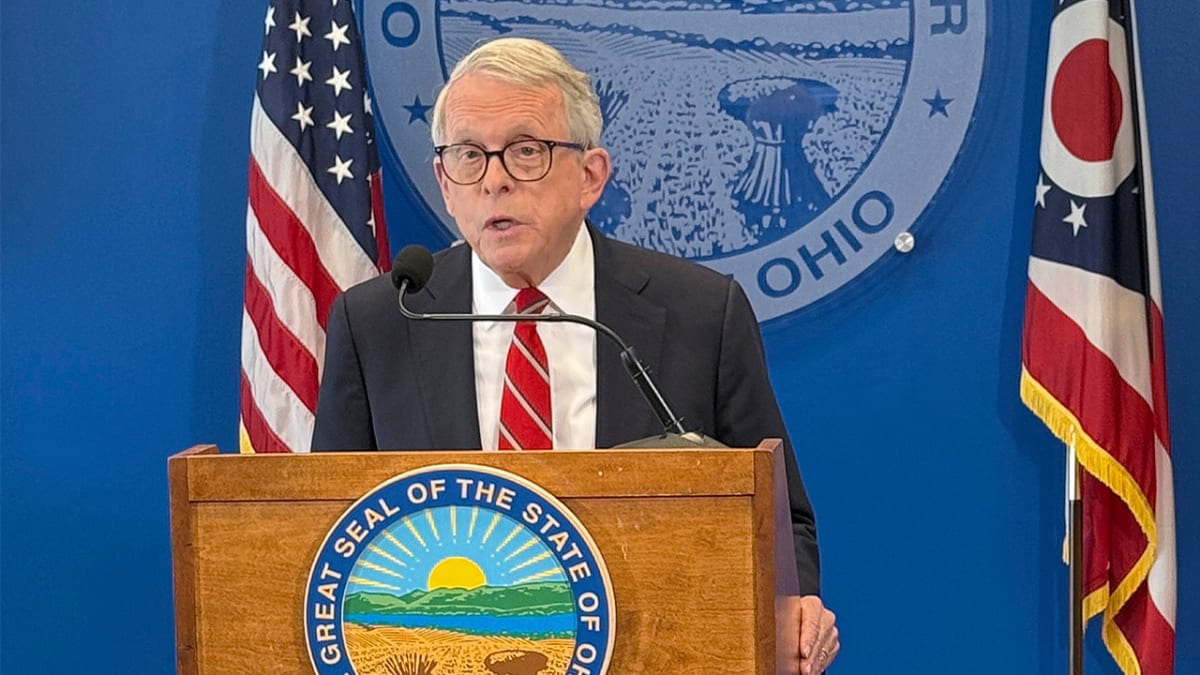
Ohio's Republican Governor Mike DeWine, who helped write the law reinstating capital punishment in 1981, now wants to abolish it after data shows it doesn't deter crime. His shift comes after seven years without approving a single execution.
After 45 years of supporting the death penalty, Ohio Governor Mike DeWine made a stunning reversal this week. The Republican leader who co-wrote the state's 1981 capital punishment law now says it's time to end it.
DeWine's change of heart came from a hard look at the numbers. Since Ohio reinstated the death penalty, 56 people have been executed while 41 died naturally on death row. Another 89 death sentences were overturned due to legal errors.
The wait times tell an even starker story. The last 10 people executed in Ohio spent between 14 and 32 years on death row. Many condemned prisoners now die of old age or suicide before the state can carry out their sentences.
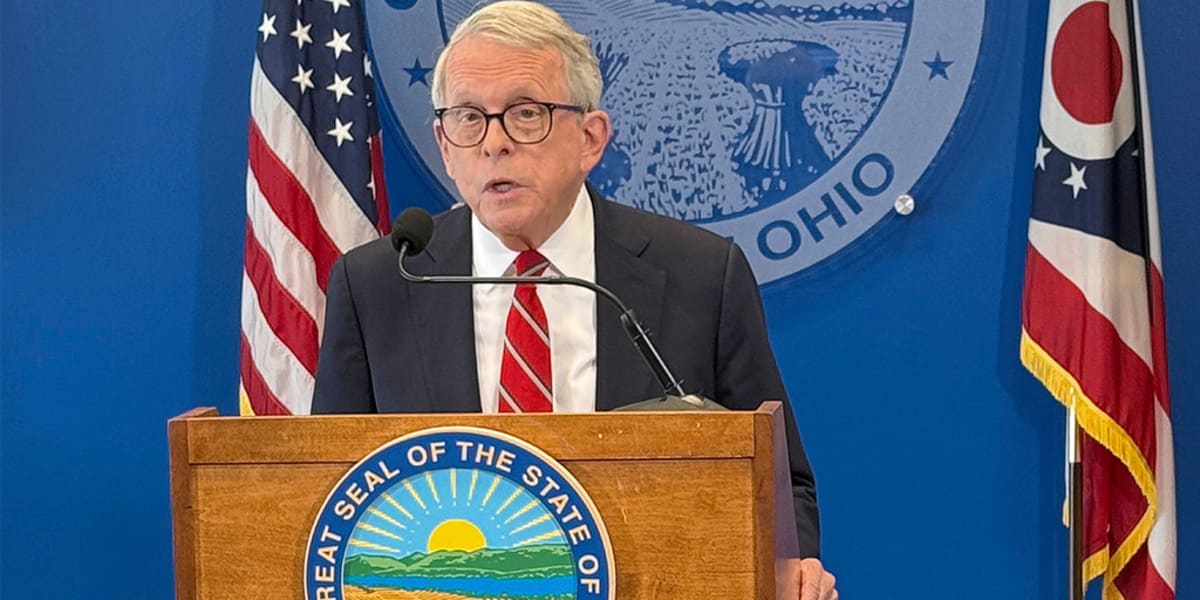
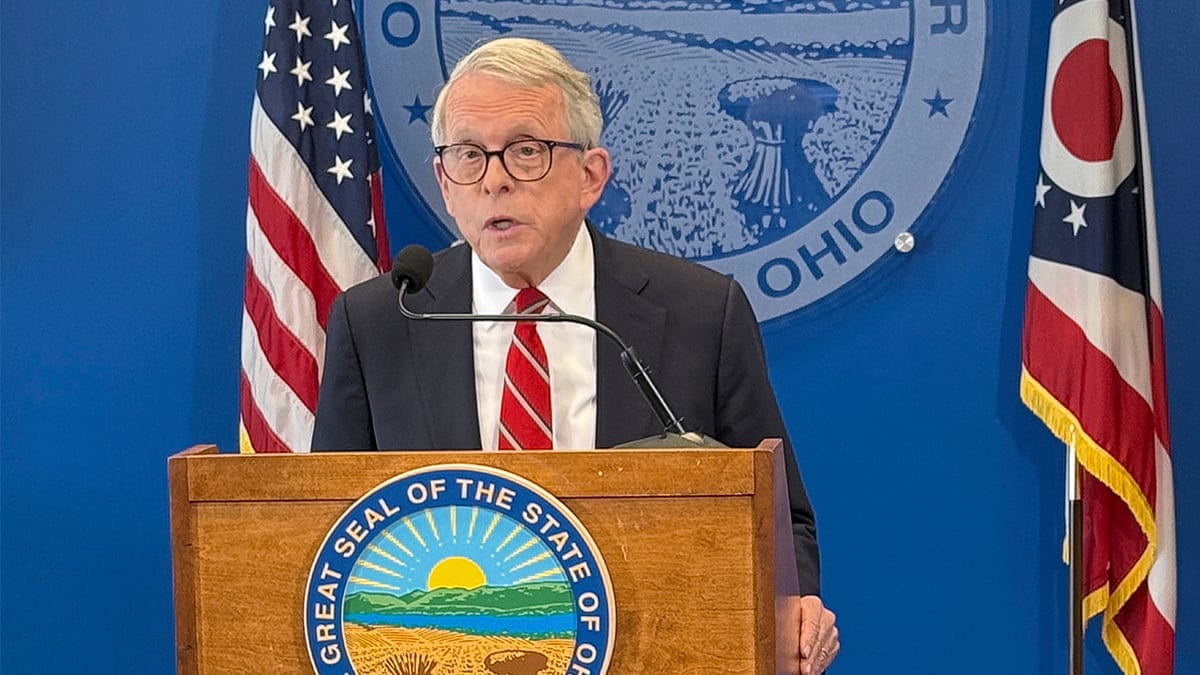
"For the state to take a human life, there must be evidence that in doing so it will help protect the public," DeWine said at his news conference. "I do not believe that argument today can be successfully made."
The governor pointed to declining execution rates and mounting delays as proof the system no longer works as intended. Even when someone is convicted and sentenced to death, the odds of actual execution keep shrinking with each passing decade.
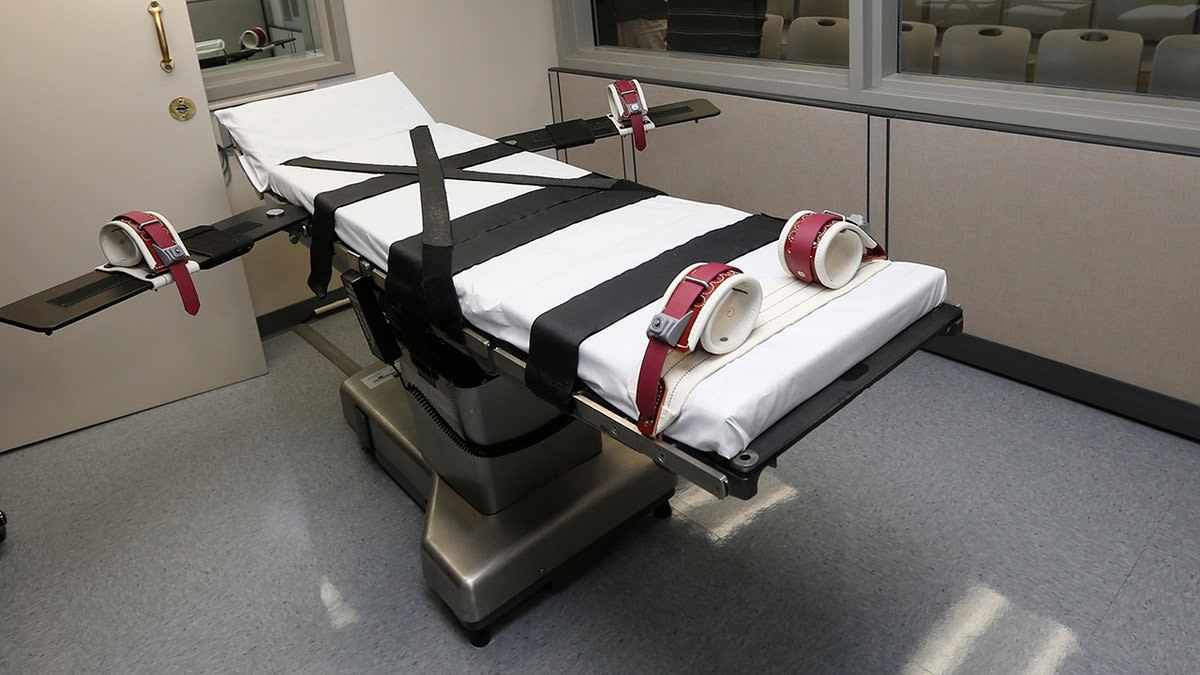
DeWine hasn't authorized a single execution during his seven years as governor. Pharmaceutical companies have refused to supply the drugs needed for lethal injections, creating a practical standstill.
The governor emphasized the hidden costs of the current system. Victims' families endure years of legal proceedings that reopen their trauma. Prison employees who staff execution teams face mental health challenges. Resources get tied up in lengthy appeals instead of preventing future crimes.
"The most important way to protect the public is to lock up violent criminals and to keep them out of society," DeWine explained. "Our money and energies are much better spent focusing on keeping these repeat violent offenders out of society."
The Ripple Effect
DeWine's call represents more than one governor's opinion shift. It reflects a growing national trend toward reconsidering capital punishment.
Since 2019, three states have abolished the death penalty entirely. Currently, 23 states plus Washington D.C. no longer allow executions. Ohio could join that list if the legislature acts on DeWine's urging.
The governor, who is term limited and cannot run again in 2026, drew on five decades of experience across multiple roles. He's served as county prosecutor, congressman, senator, and attorney general before becoming governor.
His perspective carries weight because he's lived inside the criminal justice system from every angle. This isn't theoretical debate for him but a conclusion drawn from watching the policy he helped create fail to deliver on its promises.
DeWine urged lawmakers to either abolish the death penalty themselves or put the question to Ohio voters. With 30 executions scheduled over the next four years but no way to carry them out, the state faces a growing backlog that serves neither justice nor public safety.
The path forward focuses on what actually works: keeping dangerous criminals behind bars for life.
More Images

Based on reporting by Fox News Politics
This story was written by BrightWire based on verified news reports.
Spread the positivity!
Share this good news with someone who needs it