Ohio River Fawn Rescued After Hour-Long Battle With Current
Campers saved a struggling fawn from the Ohio River, then did something even more important: they called wildlife experts. Their quick thinking and careful response show exactly when humans should step in to help animals in danger.
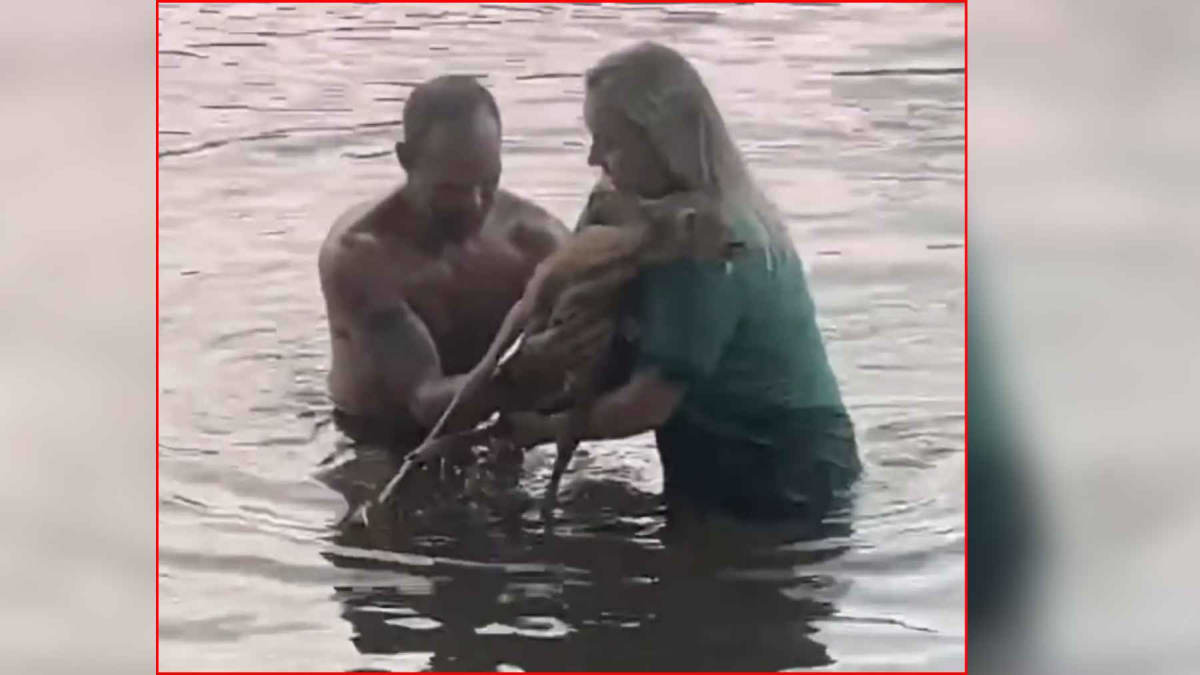
When a family camping along the Ohio River in July 2026 spotted a tiny fawn fighting the current, they faced a split-second decision. The deer had been struggling for nearly an hour, and this time waiting wasn't an option.
One brave camper waded into the water and carefully guided the exhausted animal toward shore. Others waited on the bank to gently lift her to safety, then immediately contacted Cordy's Castle Wildlife Rescue in Indiana.
The young deer arrived at the rehabilitation center tired and covered in parasites. Within days of receiving food, water and medical care, her health improved dramatically. Fleas and ticks were removed, her eyes grew clearer, and she started eating leafy greens twice daily.
"She's very gentle and for the most part very calm," a rescue representative said. The fawn even began learning the boundaries of her enclosure as her stress eased.
But this dramatic rescue highlights an important question: when should people intervene with wildlife? Most encounters call for the exact opposite response.
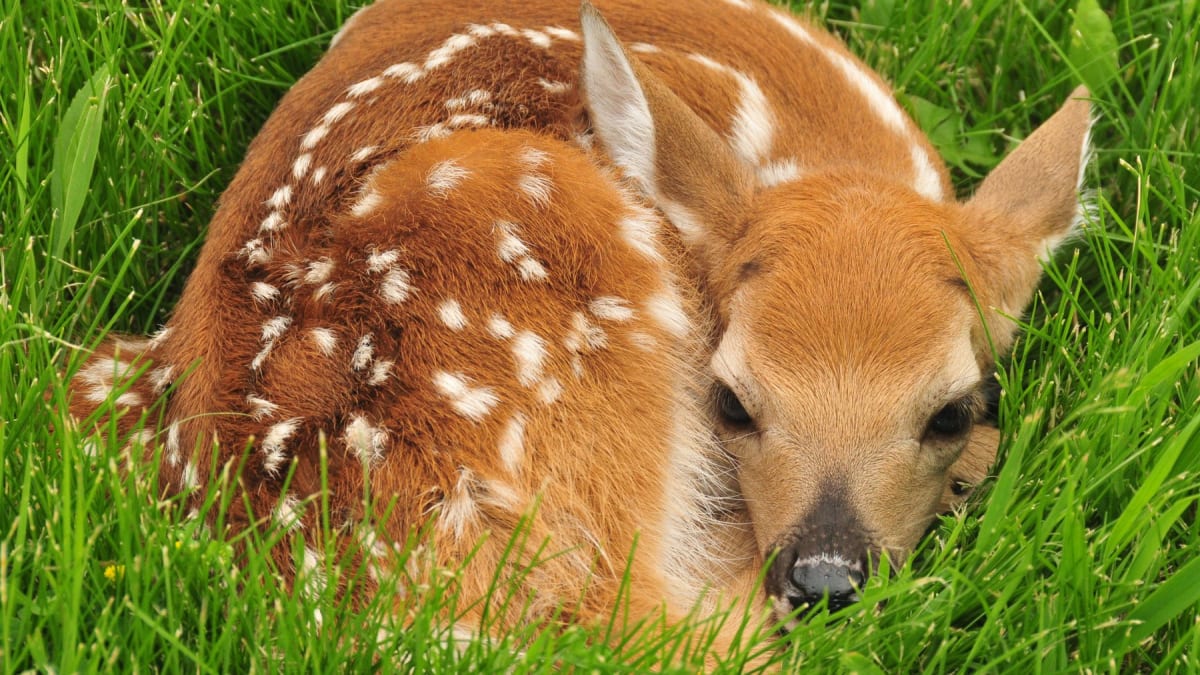
Indiana's Department of Natural Resources explains that fawns naturally hide alone while their mothers search for food. A solitary fawn resting quietly in tall grass is doing exactly what it should, and the doe is almost always feeding nearby.
Wildlife officials say people should look for clear warning signs before stepping in. These include visible injuries, constant calling, heavy insect infestations, knowledge that the mother died, or a mother absent for several days.
The safest move when spotting a healthy looking fawn on land is keeping a respectful distance and checking periodically. Giving the animal time and space allows its mother to return, and a licensed wildlife rehabilitator can advise whether help is truly needed.
Why This Inspires
This rescue worked because the campers recognized the difference between a genuine emergency and normal animal behavior. A fawn drowning in a river demanded immediate action. A fawn lying still in grass demands patience.
The family's response after the water rescue mattered just as much as the rescue itself. Instead of taking the animal home, they handed responsibility to trained professionals at Cordy's Castle, a licensed center that served nearly 500 animals during its first year.
The rehabilitation center hasn't announced a release date yet, but the fawn's steady recovery sends a powerful message. Compassion works best when paired with patience, respect and expert guidance.
Sometimes the bravest thing we can do for wildlife is nothing at all, and sometimes it means stepping into a river without hesitation.
More Images

Based on reporting by Google News - Wildlife Recovery
This story was written by BrightWire based on verified news reports.
Spread the positivity!
Share this good news with someone who needs it