Ohio Turns Yogurt Waste Into Clean Energy at $40M Plant
A new facility in Ohio is transforming leftover yogurt waste into renewable energy that powers the very factory it came from. The $40 million project keeps 250,000 gallons of organic waste out of landfills every day while slashing carbon emissions.
Leftover yogurt is now heating the factory where it was made, thanks to an innovative new facility in Minster, Ohio that turns food waste into power.
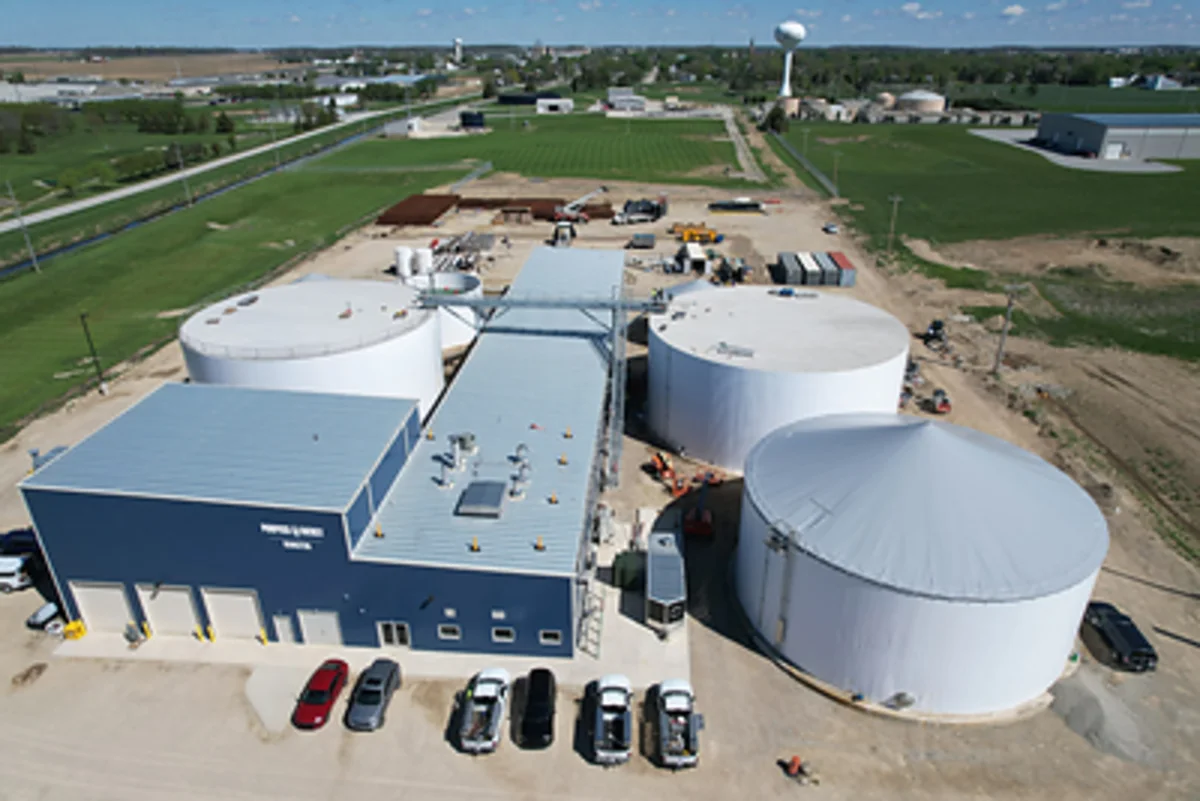
PurposeEnergy just opened a $40 million plant that transforms wastewater and organic leftovers from Danone's nearby yogurt factory into three valuable resources: renewable biogas, clean water, and fertilizer. The waste gets piped directly from the yogurt plant to the treatment facility next door, where microbes break it down through a natural process called anaerobic digestion.
The biogas created during this process flows right back to Danone's factory, where it fires up boilers that would otherwise burn fossil fuels. At full capacity, the facility will process up to 250,000 gallons of organic waste daily and produce 50,000 MMBtu of renewable energy each year.
That's enough to displace roughly 3,200 tons of carbon dioxide annually, the equivalent of taking about 700 cars off the road. The direct pipeline system also eliminates the need for trucks to haul waste off site, cutting another 720 tons of carbon emissions per year.
The benefits ripple far beyond the factory walls. Minster's municipal wastewater system gets a major break, since the water leaving the PurposeEnergy facility is already cleaned well above the village's discharge standards. The leftover nutrients that once strained local infrastructure now become fertilizer for farms instead.
"Food manufacturers shouldn't have to choose between growing production and meeting their environmental commitments," said Eric Fitch, founder and CEO of PurposeEnergy. His company designs and operates these facilities long term, making it easier for food makers to go green without massive upfront costs.
The Ripple Effect
This project represents a new model for industrial sustainability, one where growth and environmental care strengthen each other instead of competing. Danone can increase yogurt production without increasing its carbon footprint or burdening local utilities.
Mayor Craig Oldiges sees it as an investment in the village's future. The project brings jobs, reduces infrastructure strain, and keeps Minster energy independent. Other food manufacturers in the region can also send their organic waste to the facility, creating a hub of circular economy activity.
The facility is already operational and ramping up to full capacity, with a grand opening celebration planned for spring 2027. It's PurposeEnergy's first partnership with Danone, but it won't be the last as more food companies look for ways to turn their waste streams into energy sources.
More Images
Based on reporting by Planet Wins Desk
This story was written by BrightWire based on verified news reports.
Play Today’s BrightWire Positive Mini Crossword & Word Game
Keep your mind sharp with our free 5-minute uplifting daily crossword and positivity word puzzle.
Spread the positivity!
Share this good news with someone who needs it