Old EV Batteries Now Power Grids in California and Texas
Electric vehicle batteries that can no longer power cars are getting a second life storing clean energy for electrical grids. New safety certifications and a massive repurposing facility signal the shift from niche idea to mainstream reality.
Thousands of electric vehicle batteries retire from the road each year with enough charge left to do something remarkable: power your home during peak hours.
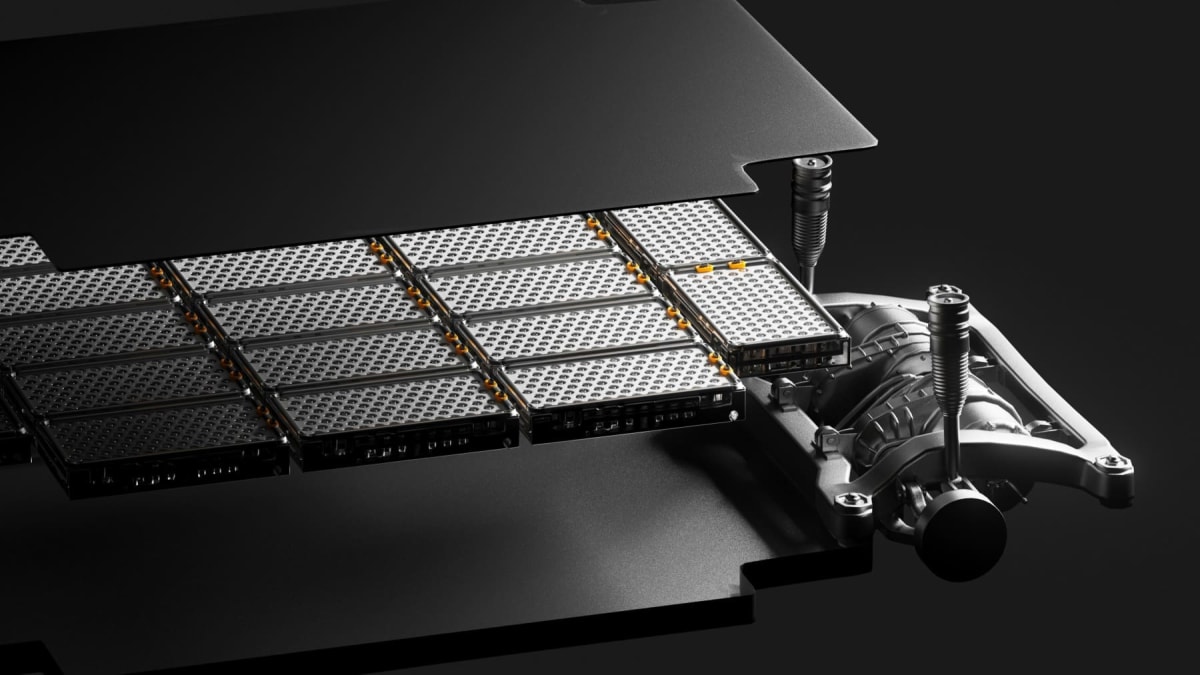
Companies like B2U Storage Solutions and Moment Energy are racing to redirect these worn but functional batteries away from recyclers and into grid-connected storage systems. The idea is simple but powerful: why shred a battery that still holds 70% of its original capacity when it could support renewable energy for years to come?
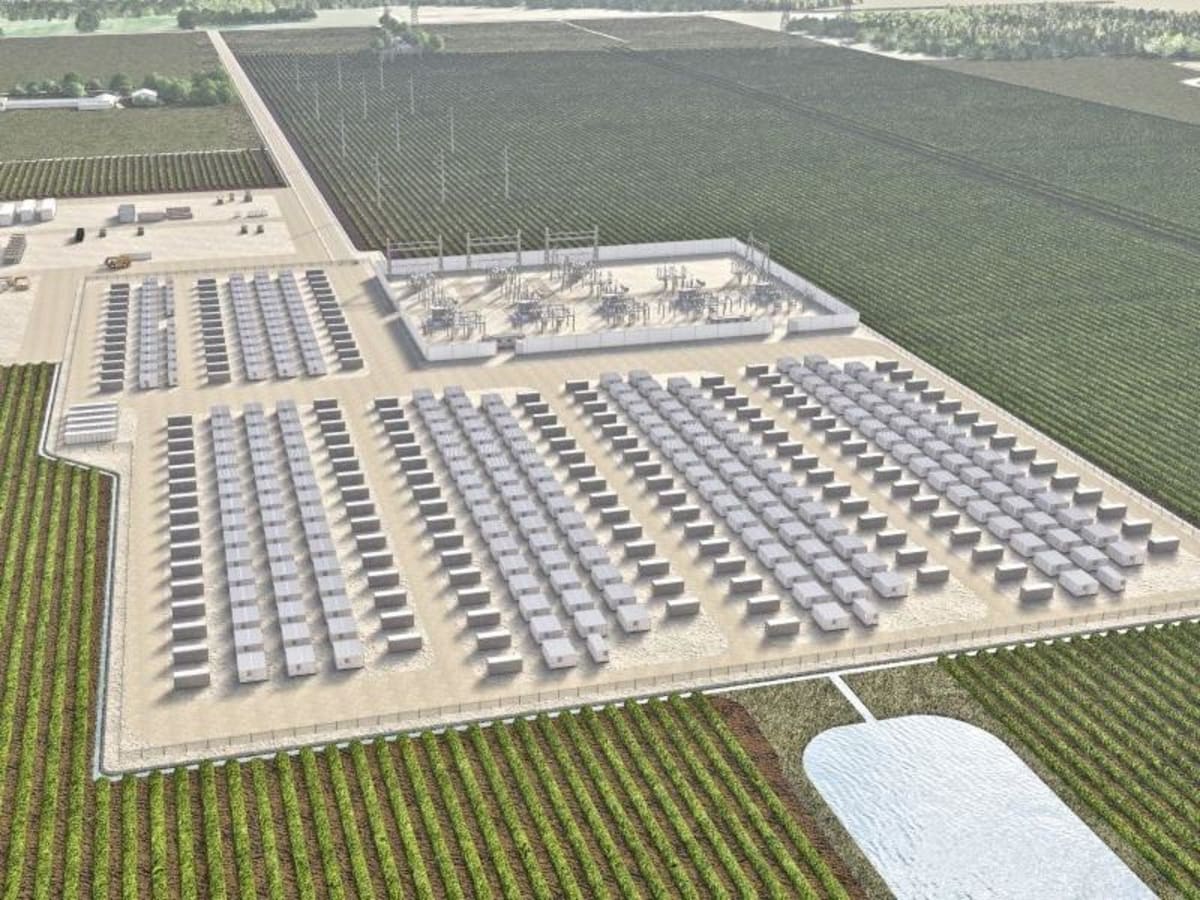
Waymo just signed a deal with B2U to repurpose batteries from its entire retired fleet. Those battery packs will soon store solar and wind energy across electricity markets from California to Texas, releasing power when demand peaks and supply dips.
The business case makes sense because lithium-ion batteries don't suddenly die when they leave a vehicle. They lose enough capacity to make driving range unpredictable, but they remain perfectly suited for stationary work: absorbing excess renewable energy during sunny afternoons and dispatching it during evening demand surges.
Repurposing can extend a battery's working life by several additional years. That extra service directly strengthens grid stability as renewable generation expands and electricity demand climbs nationwide.
The industry just cleared a major technical hurdle. Moment Energy became the first company to earn UL 60730-1 functional safety certification for a battery management system designed specifically for repurposed EV batteries, proving these systems meet the same rigorous safety standards as brand-new equipment.
That certification opens commercial doors that pilot projects couldn't unlock. Grid operators and commercial buyers now have the credentialing they need to deploy second-life batteries at scale.
Infrastructure is arriving to match the ambition. Moment Energy is building what it calls the world's largest battery repurposing facility in Vancouver, expected to open by late June with capacity to eventually process 1 gigawatt-hour of storage by 2030.
The company raised $40 million in Series B funding to build the vertically integrated operation, which handles everything from battery intake and testing to final grid deployment. Total capital raised now exceeds $100 million.
The Ripple Effect
This shift supports something bigger than individual companies or contracts. Adam Lenz, Waymo's Head of Sustainability, describes repurposing as a way to support clean energy grid growth while delivering community value long after vehicles retire from the road.
The circular economy argument resonates: extract maximum value from every battery across its entire lifespan, not just its first chapter. That philosophy connects corporate sustainability goals to tangible infrastructure outcomes that communities can see and use.
Major partnerships, landmark safety certifications, a massive repurposing facility under construction, and nine-figure funding rounds rarely arrive simultaneously by accident. Together, they suggest second-life battery storage is crossing from promising concept to viable industry with real commercial momentum.
The next few months will show whether execution matches ambition as the Vancouver facility goes live and Waymo's batteries begin flowing toward the grid.
More Images



Based on reporting by Google News - Electric Vehicle
This story was written by BrightWire based on verified news reports.
Spread the positivity!
Share this good news with someone who needs it