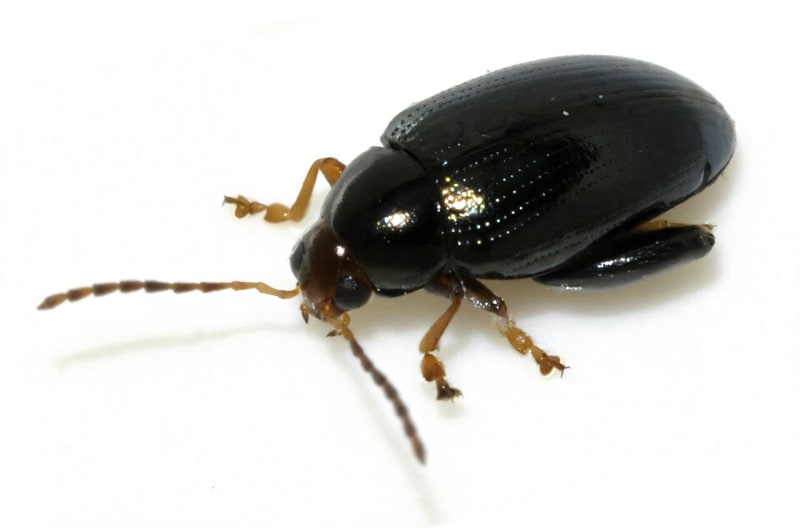
Olive Extract Restores Pesticides Against Resistant Beetles
Scientists discovered a natural compound from olive oil that makes old pesticides work again against crop-destroying beetles, using 80% less chemicals. The breakthrough could save Europe's struggling oilseed rape industry while dramatically reducing farm pesticide use.
A tiny beetle has been destroying crops across Europe for years, but scientists just found an unexpected ally in the fight: olive oil.
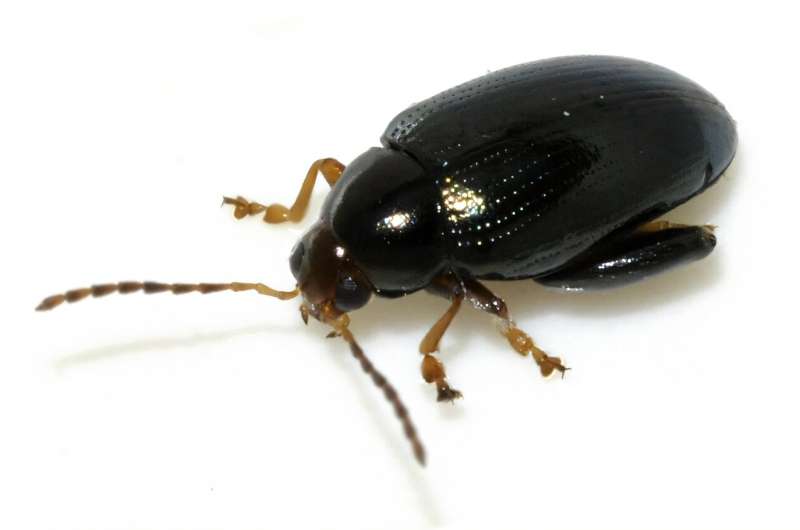
Researchers at Rothamsted Research discovered that SYN-A, a natural compound extracted from olives, can restore the power of pesticides that stopped working against cabbage stem flea beetles. These beetles have become the number one pest threatening oilseed rape crops throughout the UK and Europe after developing resistance to standard treatments.
The results are remarkable. When farmers spray crops with SYN-A mixed with a common pesticide, beetle deaths jumped from 20% to 75%. Plant damage dropped by at least half compared to using pesticides alone.
Even better, the olive compound lets farmers use just one-fifth of the normal pesticide amount while achieving more than double the pest control. That means 80% less chemicals going into fields while getting better results.
Dr. Samantha Cook, who led the study, explains that farmers have been desperate for solutions. The EU banned one class of effective treatments, and the beetles developed resistance to what remained. This combination threatened to devastate oilseed rape production across the continent.
The science behind SYN-A is elegant. The compound blocks specific enzymes that resistant beetles use to break down pesticides in their bodies. Without those protective mechanisms working, the insects become vulnerable again to treatments that had stopped working.
Dr. Graham Moores, who discovered and patented SYN-A, believes natural synergists like this should play a bigger role in agriculture. The environmental benefits of using dramatically less insecticide while overcoming resistance problems could be significant.
The Bright Side
This discovery arrives at a perfect moment. The European Union has been pushing to reduce pesticide use while maintaining effective crop protection, two goals that often seem at odds.
With few new pesticides coming to market due to high development costs and regulatory hurdles, compounds like SYN-A offer a different path forward. Instead of creating entirely new chemicals, researchers can extend the useful life of existing ones by overcoming resistance.
The approach isn't perfect yet. Lab tests showed the mixture also affects beneficial parasitoid wasps that naturally control adult beetles. These wasps are important allies for farmers, laying eggs inside beetles that eventually kill the pests from within.
Researchers emphasize this challenge highlights why careful implementation matters. Strategies like precision spraying outside peak wasp activity periods and continued monitoring of impacts on helpful insects will be essential.
The team plans larger field trials to validate their findings under real farming conditions. If those tests succeed, this olive-derived solution could help save an important crop industry while moving agriculture toward more sustainable practices that use fewer chemicals overall.
More Images



Based on reporting by Phys.org
This story was written by BrightWire based on verified news reports.
Spread the positivity!
Share this good news with someone who needs it