Olympic Rower Tests Space Gym 8,500m Above Earth
Olympic bronze medalist Matthew Wells floated weightless above Earth to test revolutionary exercise equipment that could cut astronaut workout time in half. The British invention is part of a global race to keep future moon base crews healthy and strong.
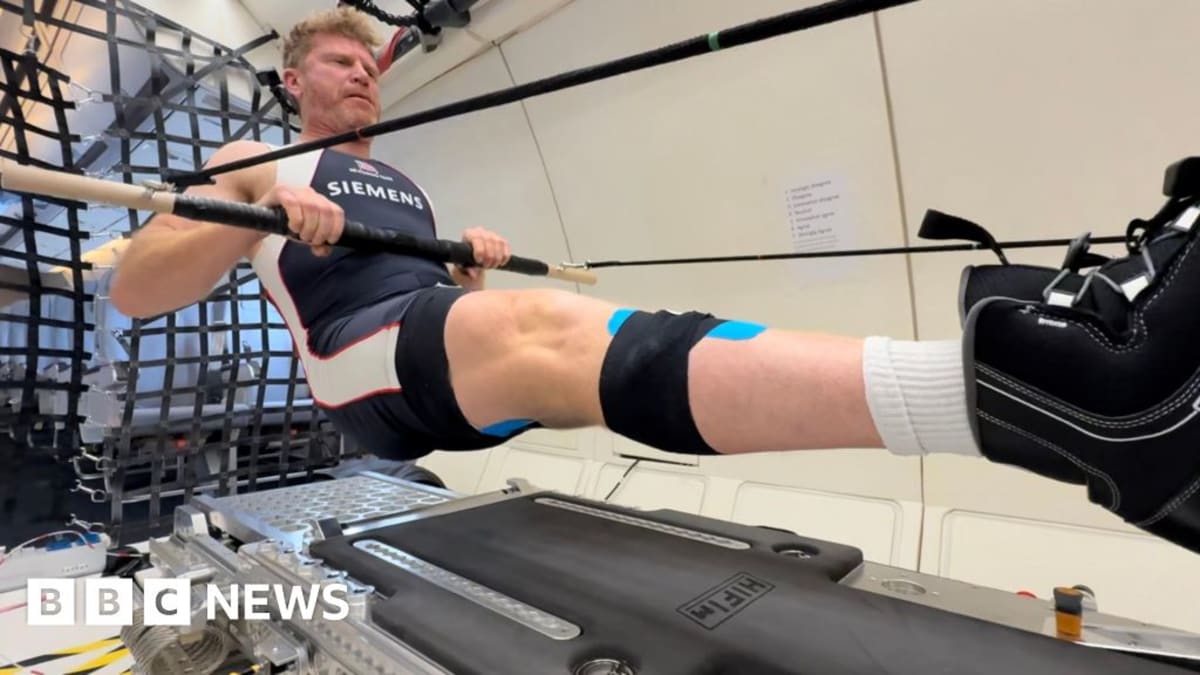
Imagine rowing as hard as you can while your body floats upward for 22 seconds at 28,000 feet above the ground. That's exactly what Olympic rower Matthew Wells did to help solve one of space exploration's biggest challenges.
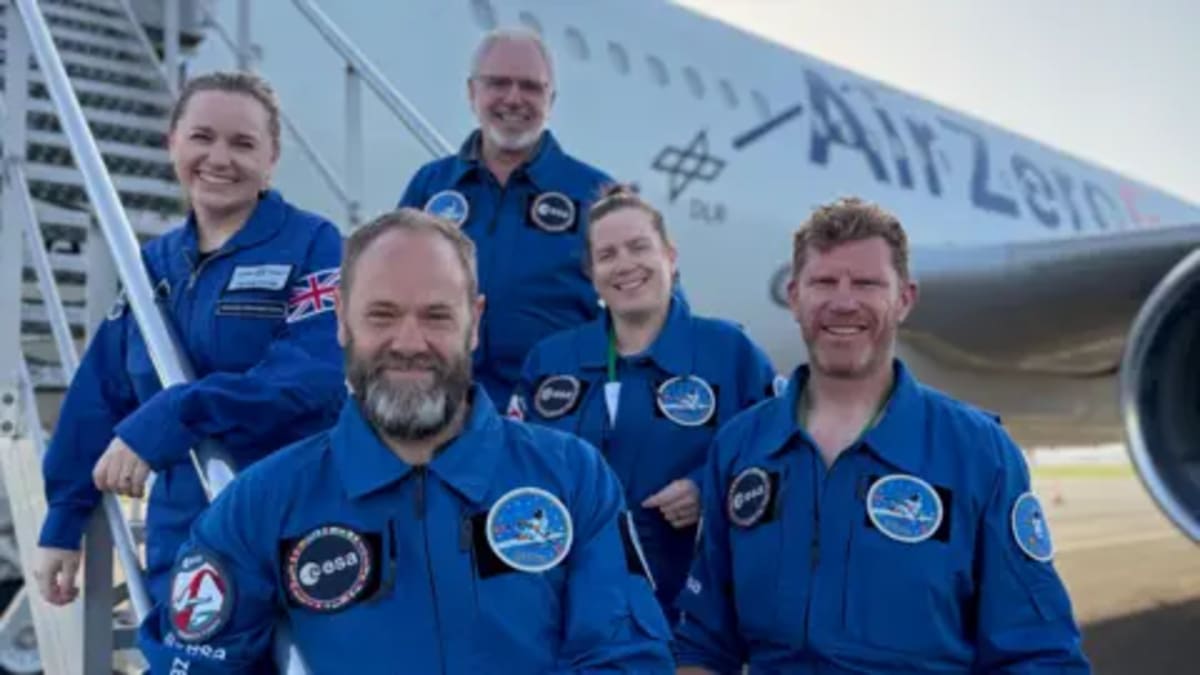
Wells, who won bronze at the Beijing Olympics, tested a compact British gym system aboard a specially designed aircraft that creates weightless conditions like those in space. The plane climbs and nosedives repeatedly, giving researchers 22-second windows to gather data on how the equipment performs without gravity.
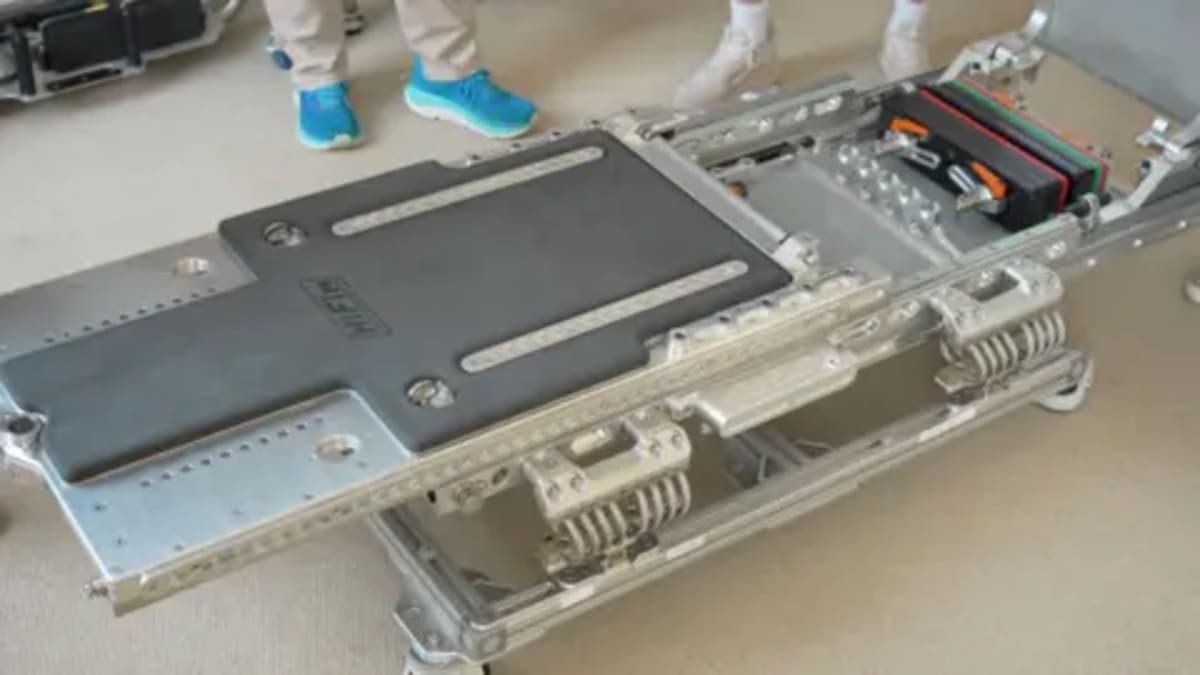
The invention, called HIFIm, could be a game changer for astronauts. Right now, crew members on the International Space Station spend about two hours every day exercising just to maintain their muscle mass and bone density. Without that workout time, their bodies would quickly weaken from the lack of gravity.
HIFIm aims to cut that exercise time down to just 30 minutes a day. The device handles 300 different exercises, works without electrical power, and creates minimal vibrations that could interfere with delicate experiments or spacecraft structures.
"Isn't it every kid's dream to be an astronaut?" Wells says. "It's an opportunity to be able to do something really different." For him, contributing to equipment that might end up in space is "out of this world."
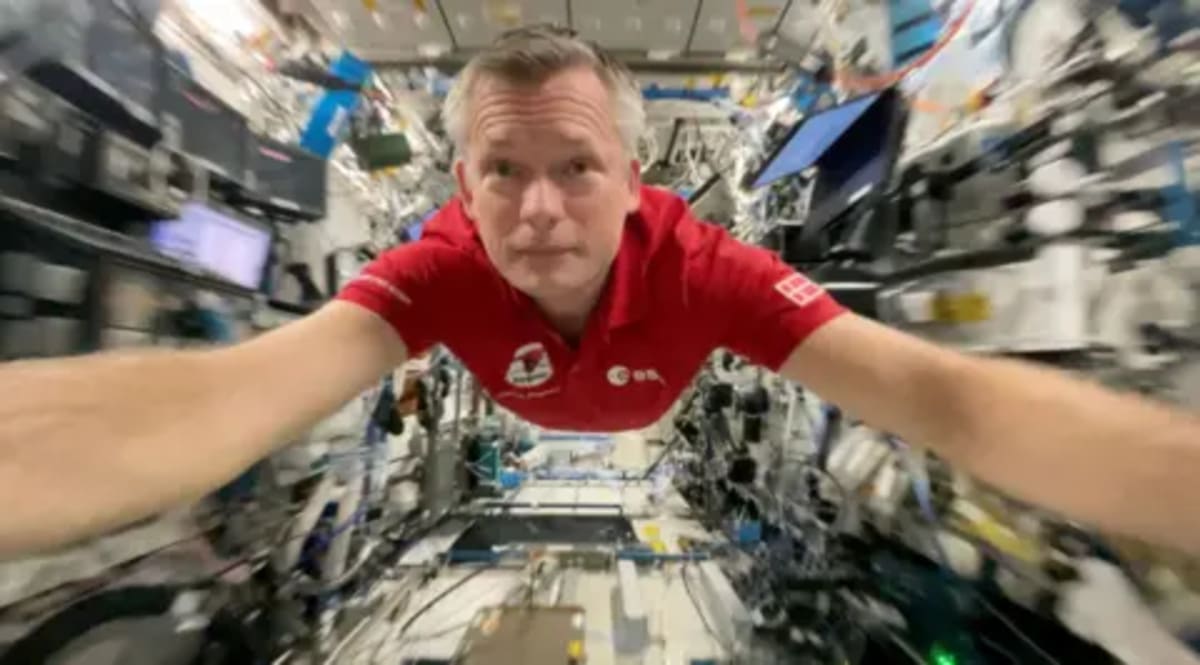
The British system isn't alone in this race. Teams worldwide are developing next-generation space gyms, including a Danish device with four exercise modes and motion capture technology. As NASA and international partners plan for permanent moon bases and longer missions through the Artemis program, keeping astronauts healthy becomes even more critical.
Dr. Meganne Christian, a reserve astronaut for the European Space Agency, explains why this matters. "If you can reduce the amount of time you're exercising, it frees up more time for astronauts to do science and experiments which could cause a whole range of breakthroughs."
The equipment has already passed early testing phases and continues to be refined with input from multiple space agencies, including NASA, the Canadian Space Agency, and the UK Space Agency.
Why This Inspires
This project shows how Olympic athletes and space exploration can team up to push human limits in entirely new ways. Wells brought his world-class understanding of physical performance to help future explorers stay healthy on humanity's return to the moon and beyond.
Even in the most extreme environments imaginable, humans still need to move, exercise, and stay strong. The fact that engineers, athletes, and scientists are collaborating to make that possible shows the best of what we can accomplish together.
Future astronauts on the lunar surface will have these innovators to thank when they finish their workouts in half the time and get back to making discoveries that could change life on Earth.
More Images

Based on reporting by Google News - Olympic Medal
This story was written by BrightWire based on verified news reports.
Spread the positivity!
Share this good news with someone who needs it