
Olympics Bans Toxic Ski Wax for Cleaner Competition
For the first time ever, winter athletes will compete without fluorinated ski wax at the 2026 Milan Cortina Olympics. The ban on these "forever chemicals" marks a major win for athlete health and environmental protection in winter sports.
Winter athletes are about to prove they don't need toxic chemicals to fly down mountains.
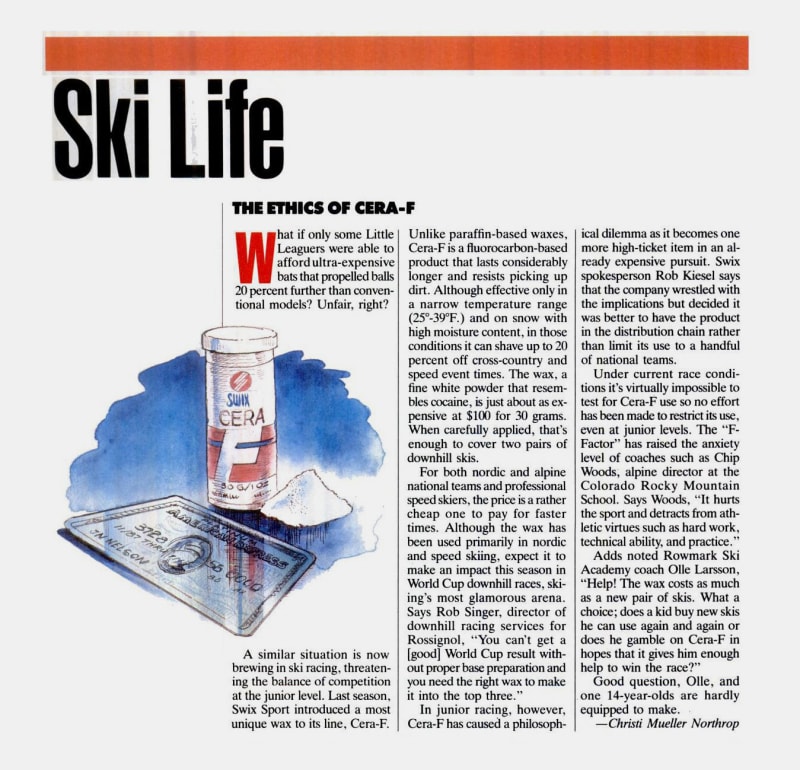
The 2026 Milan Cortina Olympics, opening this Friday, will make history as the first Winter Games to ban fluorinated ski waxes. These products, which contain PFAS "forever chemicals," have given skiers and snowboarders a speed advantage since the 1980s, but at a serious cost to human health and the environment.
Tim Baucom, a wax technician for Team USA's cross-country ski team, knows these products well. After two previous Olympics helping athletes shave fractions of a second off their times, he'll now work without what was once his most powerful tool.
"There's nothing in the chemical world that can replicate their hydrophobic and dirt-repelling properties," Baucom admits. But the chemicals' effectiveness came with a dark side.
PFAS are linked to thyroid disease, developmental problems, and cancer. These substances contaminate soil, food, and drinking water, and they earned the nickname "forever chemicals" because they never break down in the environment.
Wax technicians faced the worst exposure, working in cramped, poorly ventilated rooms where they heated and ironed the products into ski bases. "Any time you're breathing in fumes and smoke, no matter what it is, it's probably not great for you," Baucom said.
The International Ski and Snowboard Federation banned fluoros in 2023 after years of mounting health concerns. Now athletes like Canadian cross-country skier Katherine Stewart-Jones embrace the change wholeheartedly.
"I think it kind of is our duty as a winter sport to have some concern for the environment," Stewart-Jones said.
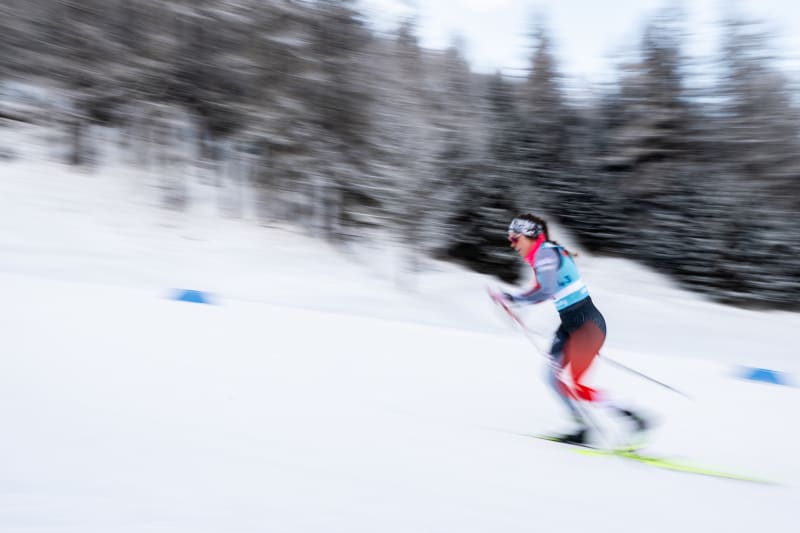
The transition hasn't been easy. New wax alternatives are less effective and more sensitive to trail conditions, creating more unknowns for athletes. U.S. cross-country skier Julia Kern, a two-time World Championship medalist, acknowledges the challenge but stays focused on her Olympic dreams.
Former racer Nathan Schultz remembers when fluoros first appeared in the mid-1990s. "You put that stuff on your skis and it was like you were floating," he said. By the time he retired in 2006, not using them meant you couldn't compete.
Why This Inspires
This ban represents something bigger than skiing. It shows how sports can lead the way in protecting both athletes and the planet, even when it means giving up a competitive advantage.
Winter sports depend on healthy environments and safe conditions for athletes. By choosing health over speed, the skiing world is setting an example for other industries still clinging to harmful PFAS products.
These Games will prove that excellence doesn't require poison.
More Images

Based on reporting by Grist
This story was written by BrightWire based on verified news reports.
Spread the positivity!
Share this good news with someone who needs it