Oman Road Project Uncovers 3,000-Year-Old Iron Age Cemetery
Workers building a coastal road in Oman stopped construction after discovering ancient graves revealing how people lived and died 3,000 years ago. The find offers rare insights into Iron Age burial traditions along a route that once connected major ancient civilizations.
Sometimes progress means pausing to honor the past, and that's exactly what happened when road workers in Oman's Al Batinah region hit something harder than rock.
Construction crews building a coastal highway unearthed multiple graves dating back nearly three millennia. The Oman Ministry of Heritage and Tourism immediately halted the project to protect what turned out to be an organized Iron Age cemetery.
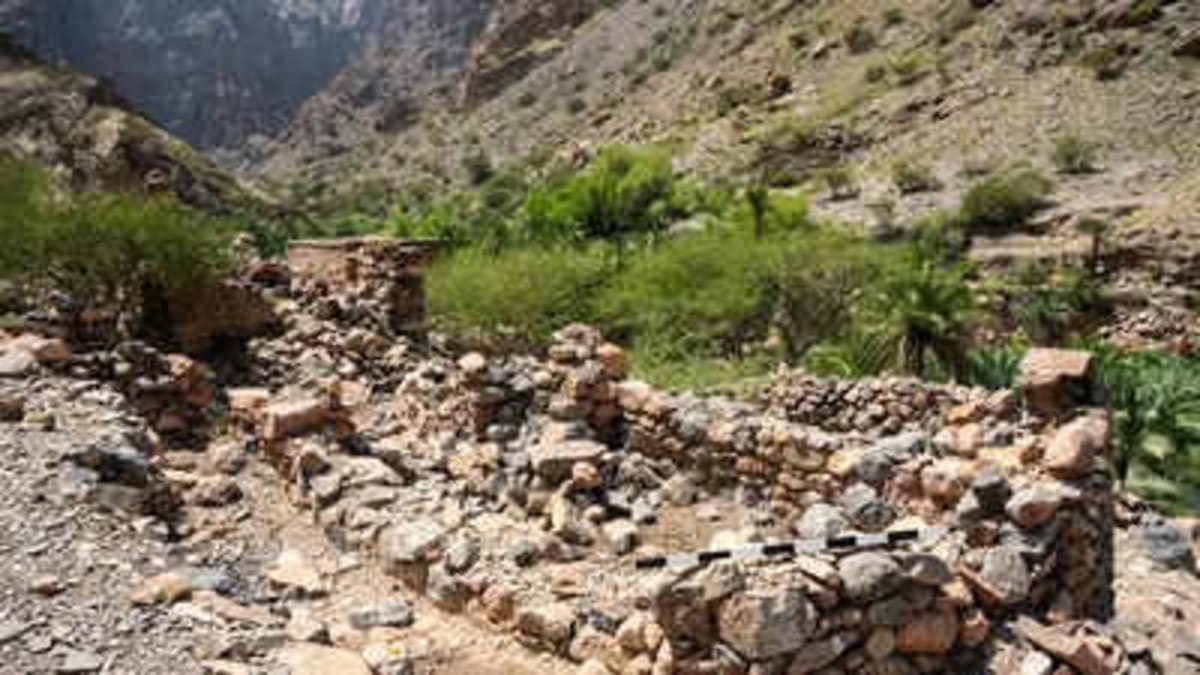
Archaeologists carefully examining the site found human remains buried with pottery vessels, decorative beads, and stone tools. The objects weren't randomly scattered but deliberately placed, suggesting these ancient communities believed their loved ones needed provisions for the afterlife.
What makes this discovery particularly special is the variety in burial styles. Some graves contain more elaborate items than others, hinting at differences in social status or evolving family traditions within the same community.
The location tells its own story. This stretch of Oman's coast once served as a crucial link connecting the Arabian Peninsula with Mesopotamia, the Indus Valley, and East Africa through maritime trade routes.
The Ripple Effect
This discovery is rewriting our understanding of how early societies thrived in this region. The graves provide rare physical evidence of the people who facilitated ancient trade networks, helping researchers piece together how goods, ideas, and cultures flowed between civilizations thousands of years ago.
The find reinforces Oman's historical role as a crossroads where different peoples met, traded, and influenced each other. Each artifact recovered offers clues about daily life, from what people ate to how they honored their dead.
The government's decision to prioritize heritage over construction speed sends a powerful message about valuing history. Excavation continues as specialists document every detail, and the site may eventually become a protected heritage zone open to researchers and visitors.
Beneath the surface, archaeologists expect to find more burial chambers and possibly traces of nearby settlements. Future analysis of skeletal remains could reveal insights into ancient diets, health conditions, and genetic connections between populations.
What started as routine road construction has become a window into humanity's shared past, reminding us that every place we build upon holds stories waiting to be discovered.
More Images



Based on reporting by Google: archaeological discovery
This story was written by BrightWire based on verified news reports.
Spread the positivity!
Share this good news with someone who needs it