OpenAI Adds New Safety Rules After User Feedback
When ChatGPT users raised concerns about military AI use, OpenAI listened and strengthened protections against domestic surveillance. The company's quick response shows how public pressure can shape ethical AI development.
OpenAI just proved that tech companies can change course when users speak up.
After announcing a Pentagon partnership on Friday, the AI company faced an immediate wave of concern from ChatGPT users. Daily app uninstalls spiked by 200% as people worried about how their favorite AI tool might be used in military operations.
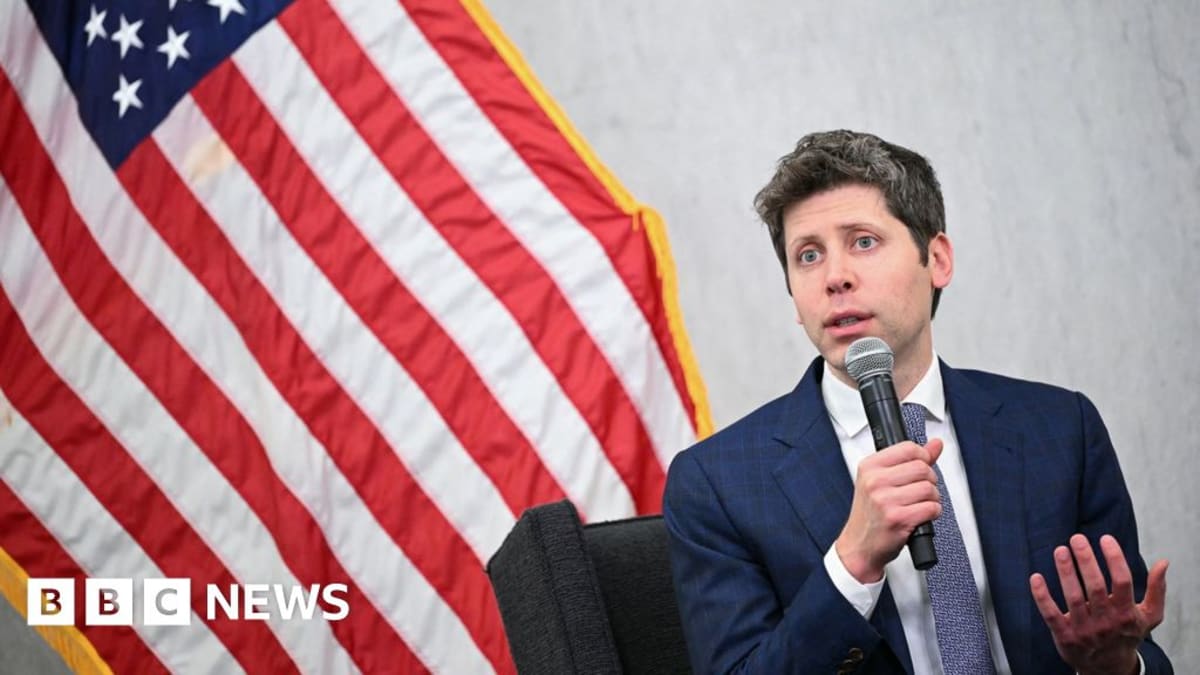
CEO Sam Altman admitted the company moved too fast. "We were genuinely trying to de-escalate things and avoid a much worse outcome, but I think it just looked opportunistic and sloppy," he posted Monday on X.
The company quickly added stronger safeguards. OpenAI's systems now explicitly cannot be used to spy on American citizens. Intelligence agencies like the NSA will need special contract modifications before accessing the technology at all.
The controversy started when rival AI company Anthropic refused to drop its principle against creating fully autonomous weapons. The Trump administration blacklisted Anthropic's Claude AI model, leaving the Pentagon looking for alternatives.
The Bright Side
This moment shows public accountability working in real time. Ordinary users downloaded competing apps, spoke up online, and watched a major tech company respond within days.
Meanwhile, Anthropic's Claude AI jumped to the top spot in Apple's App Store. People voted with their downloads for companies that maintain strong ethical boundaries around AI development.
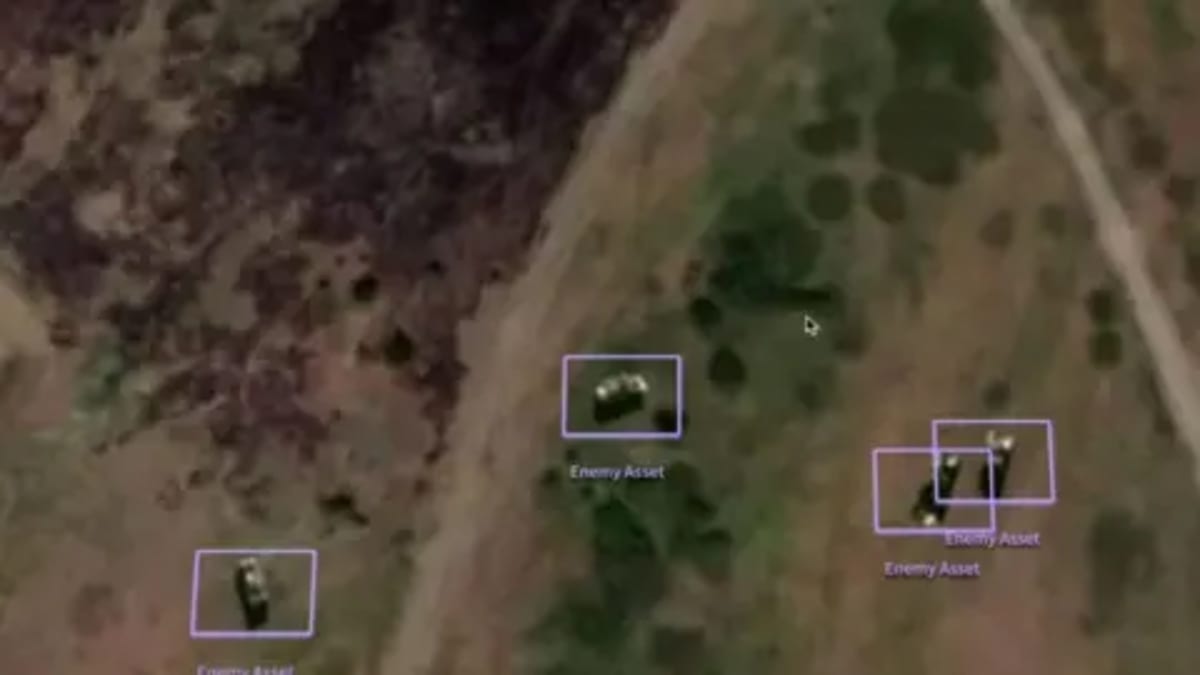
The debate highlights an important question facing our world: how should artificial intelligence be used in military settings? NATO and Ukraine already use AI tools from companies like Palantir to analyze satellite data and intelligence reports faster than humans can manage alone.
Experts emphasize that humans still make all final decisions. "It would never be the case that an AI would make a decision for us," said Lieutenant Colonel Amanda Gustave, who helps integrate AI into NATO operations.
Oxford University Professor Mariarosaria Taddeo noted that having safety-focused companies at the table matters. When the most cautious voices leave these conversations, everyone loses important perspective.
OpenAI's quick pivot shows that transparency and public pressure can guide AI development toward better outcomes for everyone.
More Images

Based on reporting by BBC Technology
This story was written by BrightWire based on verified news reports.
Spread the positivity!
Share this good news with someone who needs it