Orange Peels Cut Garden Waste, Boost Plants Naturally
Gardeners are turning orange peels into natural fertilizer and pest repellent, cutting kitchen waste while ditching chemicals. The peels contain nutrients plants crave and compounds that keep bugs away.
Your orange peels might be worth more in your garden than in your trash can.
Gardeners worldwide are discovering that orange peels, which make up nearly half of the fruit's weight, work as natural plant boosters and pest fighters. What was once tossed away is now helping people grow healthier gardens without chemicals.
The secret lies in what's inside the peel. Research shows orange peels contain nitrogen, phosphorus, and potassium, the same nutrients found in store-bought fertilizers. As the peels break down in soil, plants slowly absorb these nutrients.
Orange peels also pack a natural insect repellent called d-limonene. This compound, found in citrus oils, keeps ants and aphids away from garden beds without harmful sprays.
The simplest method is making compost. Gardeners dry the peels thoroughly, chop them into small pieces, and mix them with other organic materials. The smaller pieces break down faster and blend into soil more easily.
For ant problems, crushed dried orange peel powder scattered around garden beds creates a barrier ants won't cross. The strong citrus smell disrupts their trails and keeps them from returning.
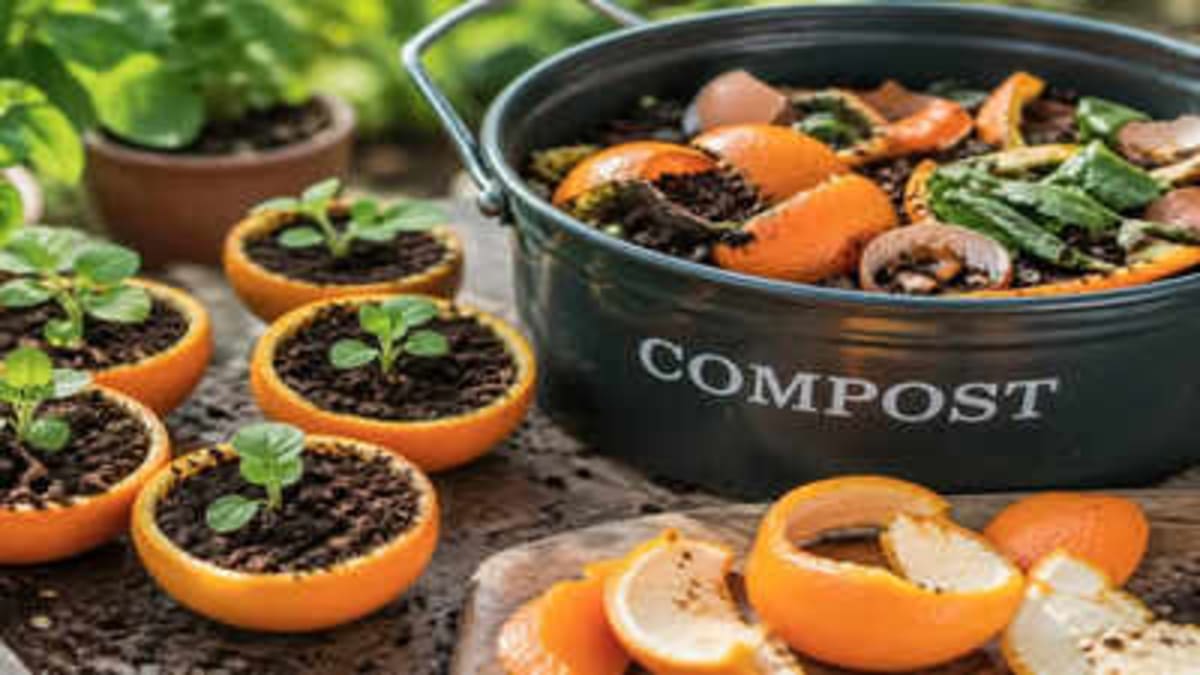
Some creative gardeners use hollowed orange peel halves as biodegradable seed starters. They fill the natural cups with soil, plant seeds, and later transplant the whole thing, peel and all, directly into the garden.
An orange peel spray tackles aphids without toxic chemicals. Boiling orange peels in water, adding a drop of dish soap, and spraying the mixture on plant leaves keeps these common pests at bay.
The Ripple Effect
This simple kitchen hack connects to bigger wins. Every orange peel composted means less waste in landfills and fewer chemical fertilizers washing into waterways.
Home gardens using natural methods like orange peels create healthier soil over time. That soil stores more carbon, supports beneficial insects, and grows more nutritious food.
The practice is spreading through gardening communities online, where people share their results and creative uses. What started as a waste reduction idea has become a movement toward gentler, more sustainable growing methods.
Experts recommend using organic oranges to avoid introducing pesticides into garden soil. They also suggest moderation, since too many peels can make soil acidic for some plants.
Turning trash into treasure in your backyard is one small step that adds up to real change.
More Images



Based on reporting by Times of India - Good News
This story was written by BrightWire based on verified news reports.
Spread the positivity!
Share this good news with someone who needs it