Orange Peels Transform Barren Land Into Thriving Forest
Scientists dumped 12,000 tons of orange waste on degraded Costa Rican land in 1997, then got sued and forgot about it. Seventeen years later, they found a lush forest where barren pasture once stood.
When Timothy Treuer set out to find a massive yellow sign in a Costa Rican nature preserve, he figured it would take minutes. Half an hour later, he was still searching because the forest had grown so thick the seven-foot marker had completely disappeared.
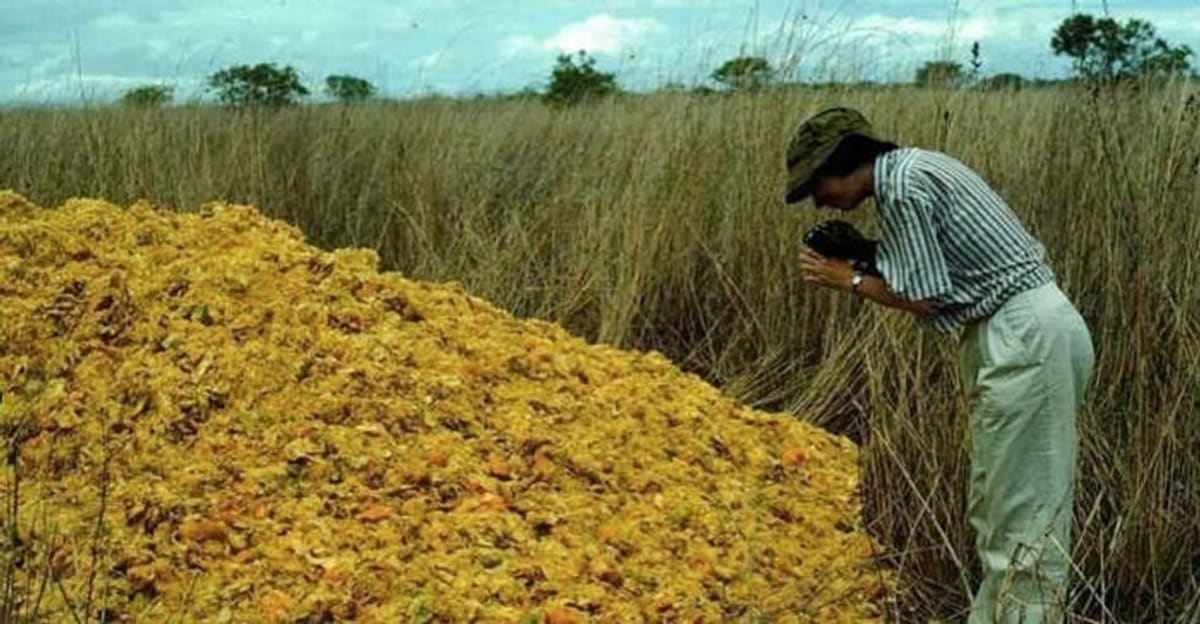
The story begins in 1997, when ecologists Daniel Janzen and Winnie Hallwachs pitched an unusual deal to Del Oro, an orange juice company. The company could dump its leftover orange peels on heavily grazed, worn-out land in Área de Conservación Guanacaste for free, in exchange for donating pristine forest to the park.
One thousand trucks delivered over 12,000 metric tons of orange waste to the site. But a rival juice company sued, claiming Del Oro had defiled a national park, and Costa Rica's Supreme Court shut the project down after just one year.
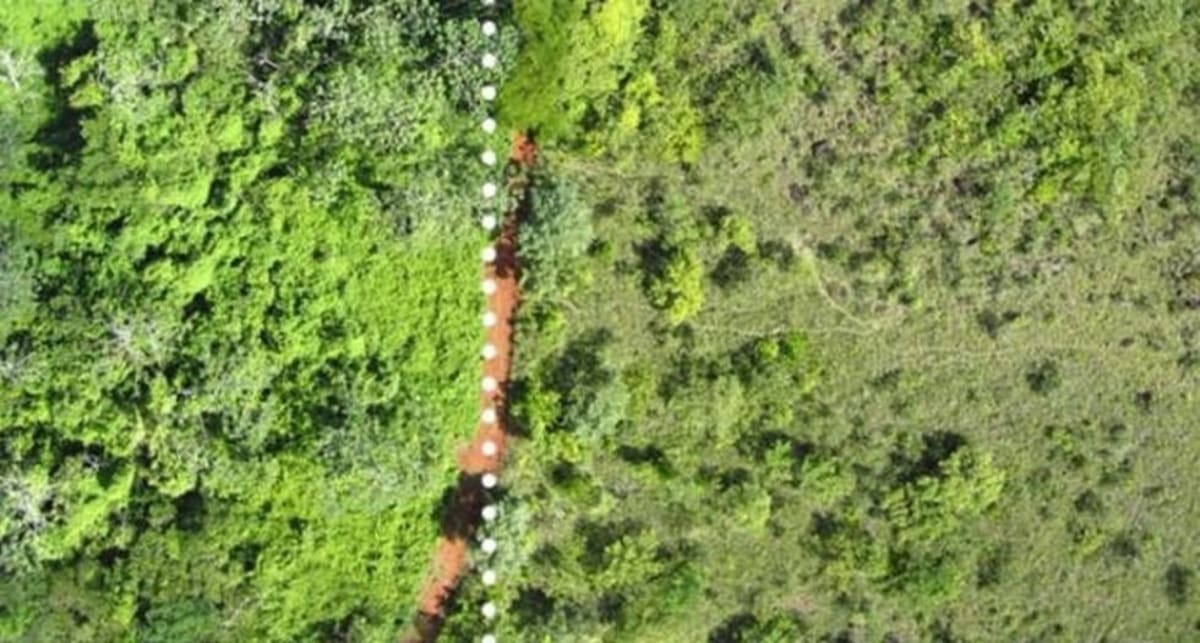
The site sat untouched for sixteen years. When Treuer, a Princeton graduate student, finally located it in 2013, he couldn't believe what he found.
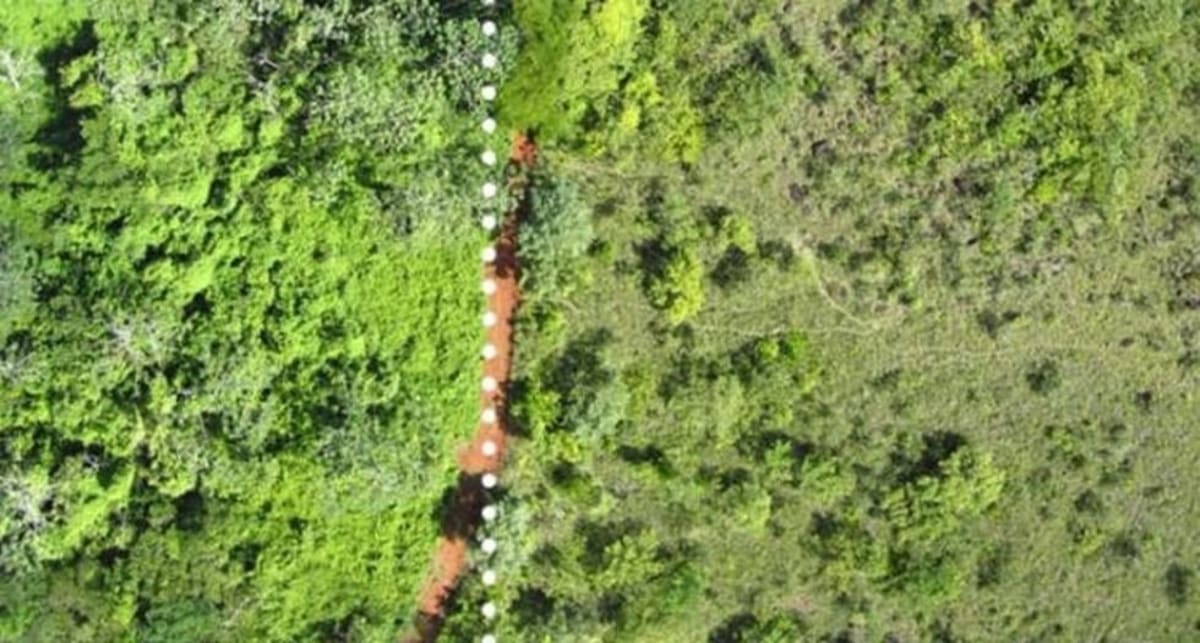
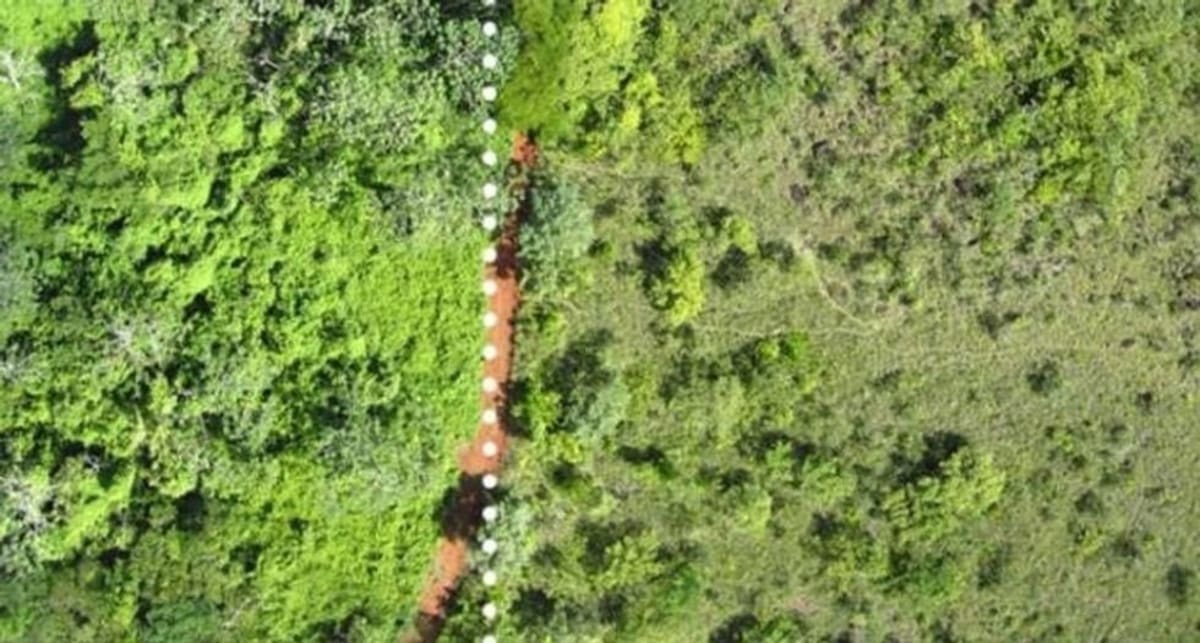
The dumping ground looked nothing like the barren pastureland right next to it. Thick vegetation covered every inch. Two dozen plant species thrived where a single tree species had dominated before.
Over three years, Treuer and his team measured everything. The results, published in Restoration Ecology, showed a 176 percent increase in forest biomass across the seven-acre plot. The soil was richer, the tree canopy fuller, and biodiversity had exploded.
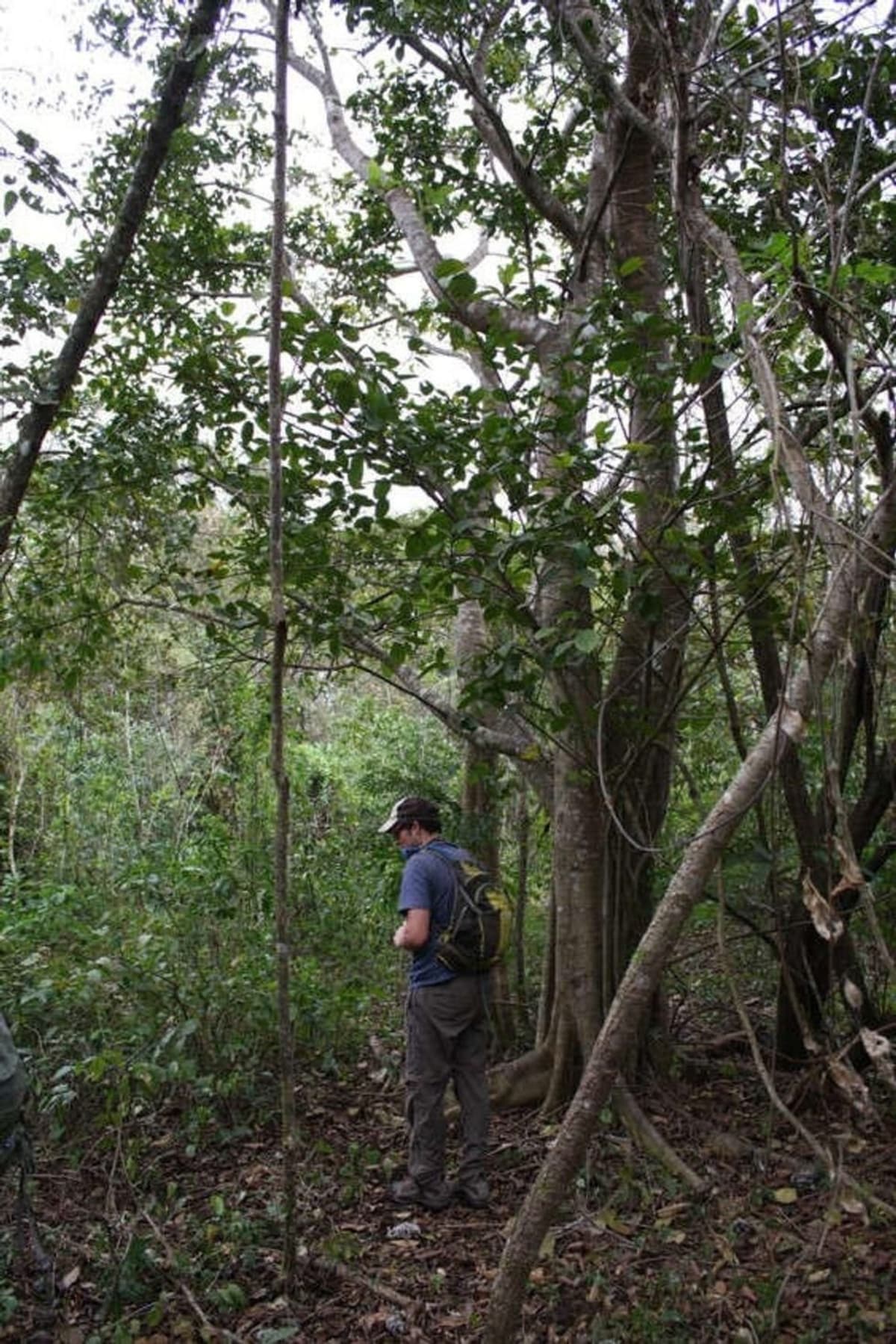
They found a giant fig tree three feet wide that could support twenty people climbing it at once. A tayra, a dog-sized weasel, had made the forest its home.
The Ripple Effect
This accidental experiment could help solve two global problems at once. Secondary tropical forests like this one absorb atmospheric carbon at eleven times the rate of old-growth forests, making them powerful weapons against climate change.
Meanwhile, the United States alone throws away up to half its produce, most of it rotting in landfills. Combining nutrient-rich food waste with degraded land could help forests regrow worldwide while putting discarded food to good use.
Treuer isn't suggesting companies randomly dump waste everywhere. But scientifically managed restoration projects like this one show real promise for healing damaged ecosystems.
When the team finally found that buried yellow sign in 2015, covered in vines after fifty visits to the site, the transformation felt complete. Seventeen years had turned a barren field into a forest so dense it could hide a seven-foot sign.
Sometimes the most powerful solutions start with the simplest ideas and a willingness to try something different.
More Images
Based on reporting by Upworthy
This story was written by BrightWire based on verified news reports.
Spread the positivity!
Share this good news with someone who needs it