Orangutan Pioneer Dr. Birutė Galdikas Dies at 79
Dr. Birutė Galdikas spent nearly 50 years studying orangutans in Borneo when everyone said it was impossible, transforming how we understand great apes. Her legacy, alongside fellow "Trimates" Jane Goodall and Dian Fossey, inspired generations of scientists and conservationists worldwide.
For almost half a century, Dr. Birutė Galdikas did what nobody believed possible: she studied the solitary, elusive orangutans deep in the rainforests of Borneo. Her groundbreaking work changed everything scientists knew about great apes, and her passing on March 24 at age 79 marks the end of an extraordinary chapter in conservation history.
In the 1970s, Galdikas joined two other pioneering women who revolutionized primatology. Together with Dr. Jane Goodall, who observed chimpanzees in Tanzania, and Dr. Dian Fossey, who studied mountain gorillas in Rwanda, they became known as the "Trimates." At a time when women faced enormous barriers in science, these three researchers opened an unprecedented window into the lives of our closest living relatives.
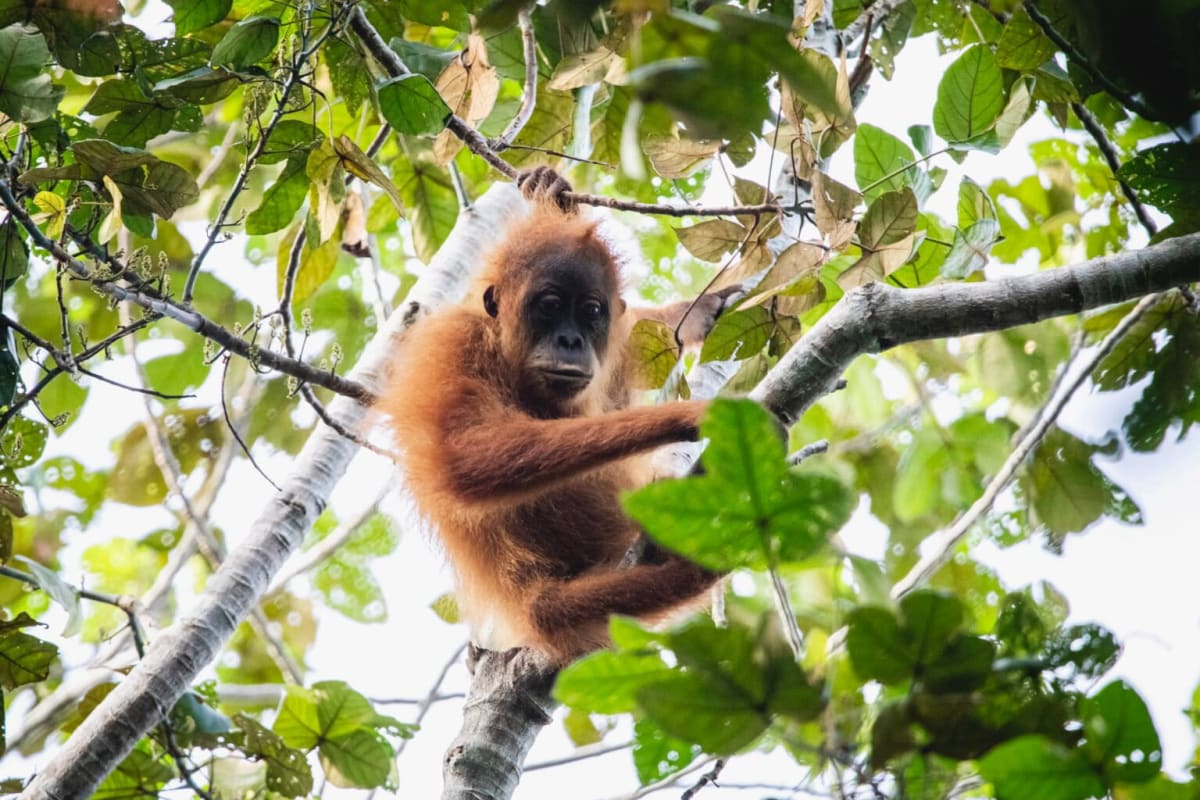
Galdikas chose perhaps the most challenging subject of all. While chimpanzees and gorillas live in social groups, orangutans are largely solitary creatures who spend most of their time high in the forest canopy. Her patience and dedication revealed behaviors and social patterns that had remained hidden for millennia.
The Ripple Effect
The impact of the Trimates reached far beyond academic journals. Their research brought global attention to the urgent need to protect chimpanzees, gorillas, and orangutans from habitat loss and poaching. They showed the world that these apes share complex emotions, use tools, and live in intricate social structures remarkably similar to our own.
More importantly, they proved that women belonged in the field doing rigorous, dangerous, groundbreaking science. Generations of conservationists and researchers, particularly women, point to the Trimates as their inspiration for entering wildlife biology and conservation work.
Today, orangutan populations face critical threats from deforestation and palm oil plantations. The work Galdikas began continues through researchers and conservation organizations fighting to protect what remains of Borneo's rainforests.
Her legacy lives on in every scientist who ventures into the field to understand and protect the natural world.
More Images



Based on reporting by Mongabay
This story was written by BrightWire based on verified news reports.
Spread the positivity!
Share this good news with someone who needs it