Oregon Cities Turn Water Pipes Into Clean Power Plants
Three Oregon cities are transforming their routine water pressure valves into mini power plants, generating enough clean electricity to slash energy bills and boost emergency preparedness. The simple technology captures water pressure that would otherwise go to waste.
Every day, water rushing through city pipes loses pressure through special safety valves designed to keep your taps from exploding. Oregon cities just figured out how to turn that wasted energy into thousands of dollars in savings.
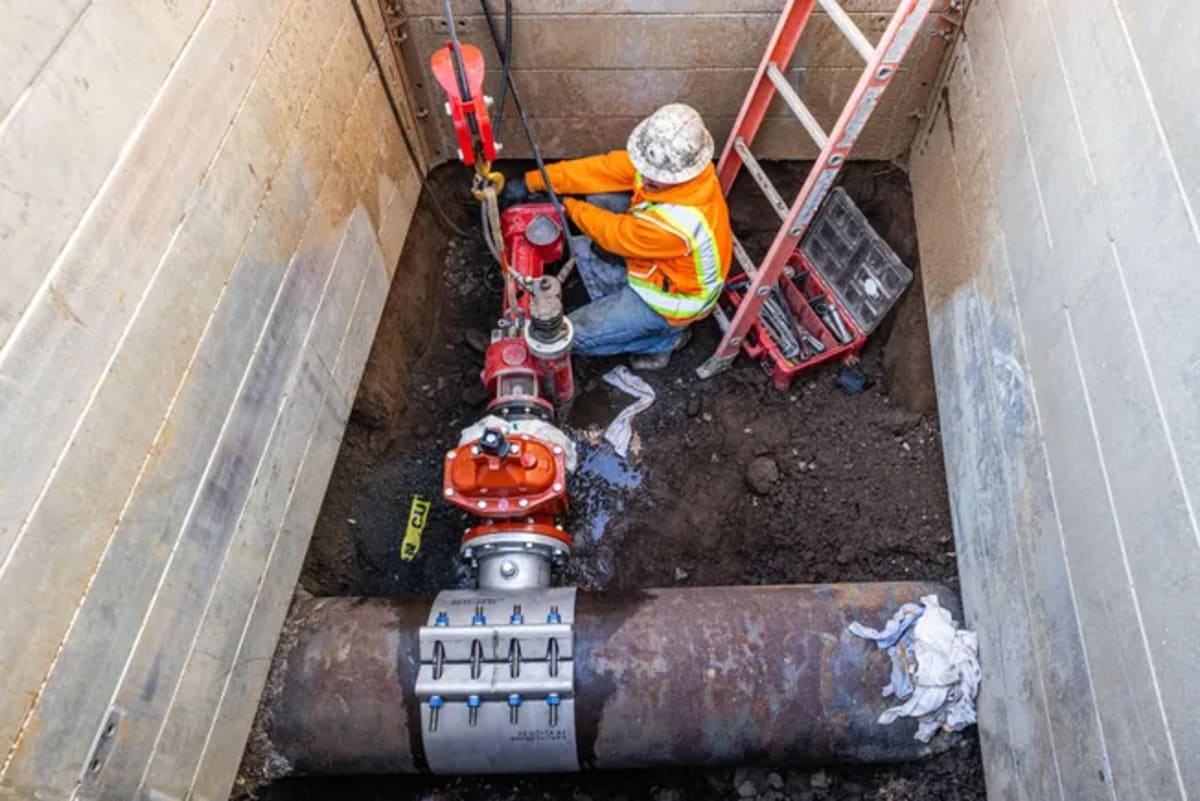
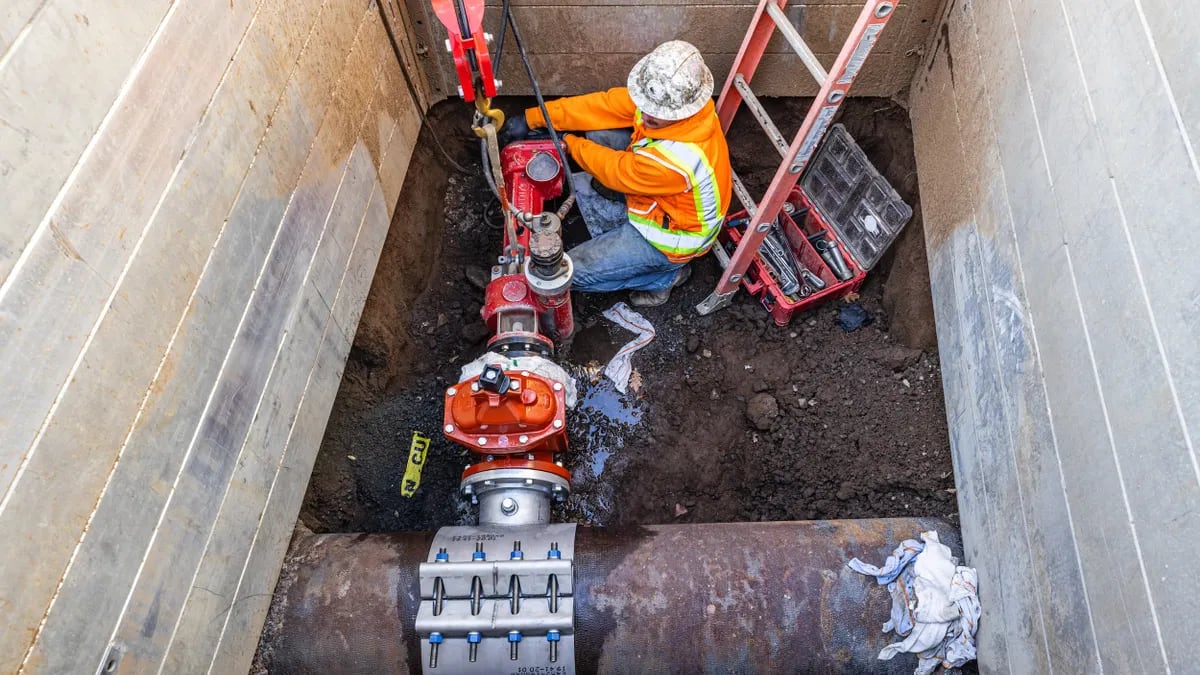
Hillsboro led the charge in 2020, becoming one of the first U.S. cities to install a turbine right inside its water pipes. The system now generates over 200 megawatt-hours of carbon-free electricity every year, enough to power most of the city's ballpark.
Beaverton followed in 2025 with an even bigger system at its Sexton Mountain Pump Station. The in-pipe turbine now offsets 27% of the facility's energy needs, generating 426 megawatt-hours annually. The city's engineers designed the station to add a second turbine when water demand grows.
This year, Tualatin completed its own project at the City Services Center. The system produces 250 megawatt-hours yearly and saves the city $14,000 on electric bills, with room to add battery storage for a future microgrid.
The technology is surprisingly simple. A turbine sits where a pressure reduction valve would normally waste energy, spinning as water flows through and generating electricity. The city of Bend is already planning a 1.2-megawatt system powerful enough to run its entire drinking water plant when paired with solar panels and batteries.
Not every pipe works for this. Cities need large enough pipes, sufficient water pressure, steady flow, and ideally the ability to net-meter the electricity back to the grid at retail rates instead of wholesale prices. That rate difference often determines whether a project pencils out financially.
The Ripple Effect
What started as creative thinking in a few Oregon cities could reshape how municipalities across America view their water infrastructure. Rising energy costs are making these systems more attractive every year, especially when cities combine state grants, federal tax credits, and utility incentives.
Most cities aim for a 10-year payback period, and with the right conditions and funding, that target is achievable. Once installed and properly maintained, these turbines can generate electricity for 50 to 100 years, as long as water keeps flowing through the pipes.
The benefits extend beyond bill savings. As wildfires, extreme weather, and aging power grids create more blackouts, cities are prioritizing facilities that can generate their own power during emergencies. Tualatin already wired its system to support future battery storage, planning for resilience years ahead.
Thousands of miles of water pipes crisscross every American city, silently wasting pressure every single day. Oregon just showed everyone how to put that energy to work.
More Images

Based on reporting by Google News - Clean Energy
This story was written by BrightWire based on verified news reports.
Spread the positivity!
Share this good news with someone who needs it