Oregon Tribe Uses Gardening to Help People Heal
A new program in Oregon combines traditional Indigenous knowledge with gardening to support people in recovery. Participants are learning to grow plants, build community, and reconnect with cultural roots.
In Roseburg, Oregon, people in recovery are finding healing through soil, seeds, and shared stories.
Tribal Roots, a partnership between Oregon State University Extension and the Cow Creek Band of Umpqua Tribe of Indians, brings together gardening education, cultural practices, and recovery support. The program serves adults working through behavioral health challenges, many of whom have never planted anything before.
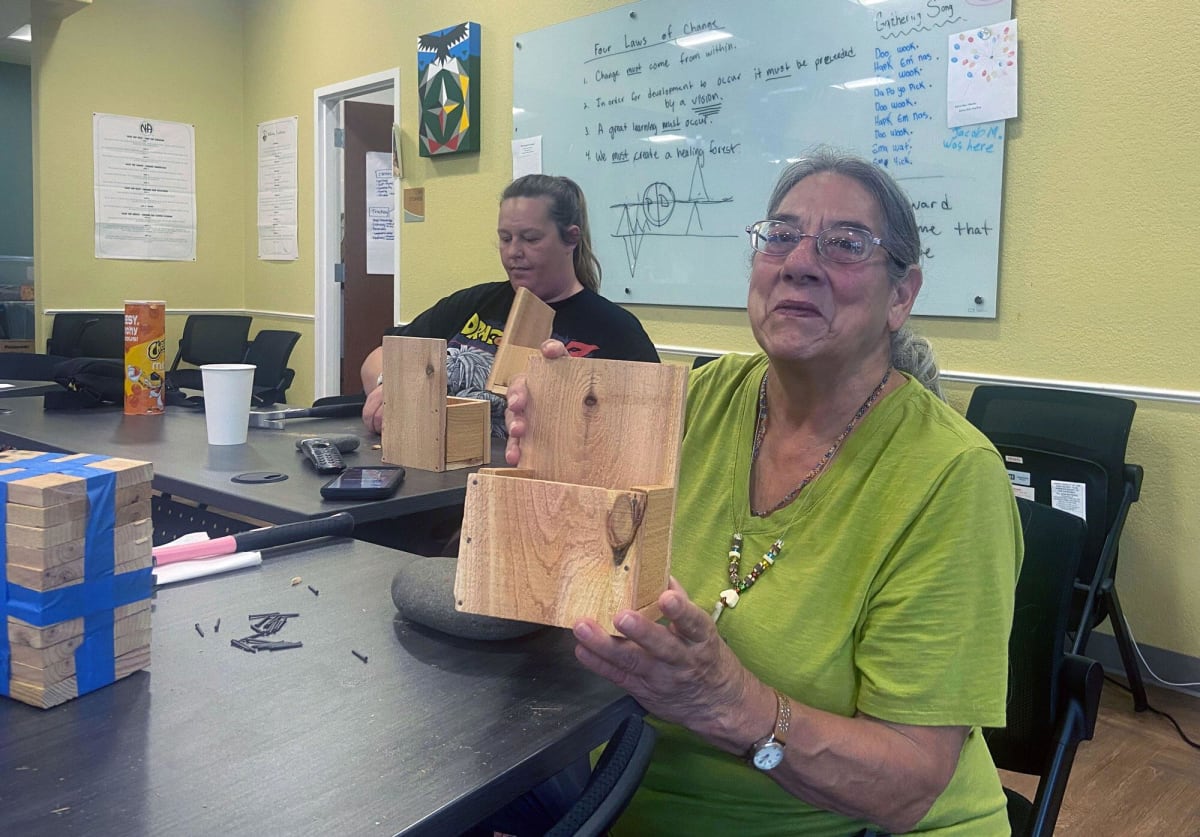
Lauran Folsom, a Choctaw Nation citizen and Master Gardener, smiled as she assembled a wooden planter during a recent class. "I like making all different kinds of things, and I love wood, and it smells good, and it feels good," she said.
But the real draw isn't just the planters or plants. It's the people around the table.
The program grew from an earlier collaboration teaching agriculture to at-risk Tribal youth at the Tuú Yap'a Xumá Cow Creek Umpqua Tribal Garden. Young people learned to prune fruit trees, manage irrigation, and tend culturally significant plants like camas and elderberry while connecting to their heritage.
Logan Bennett, who coordinates the program for OSU Extension, saw potential to expand that success. "The goal with Tribal Roots is really to provide horticultural therapy and community and horticultural education," Bennett said.
In 2025, the program welcomed adults in recovery. Classes now cover sustainable farming, traditional ecological knowledge, and food preservation alongside hands-on planting projects.
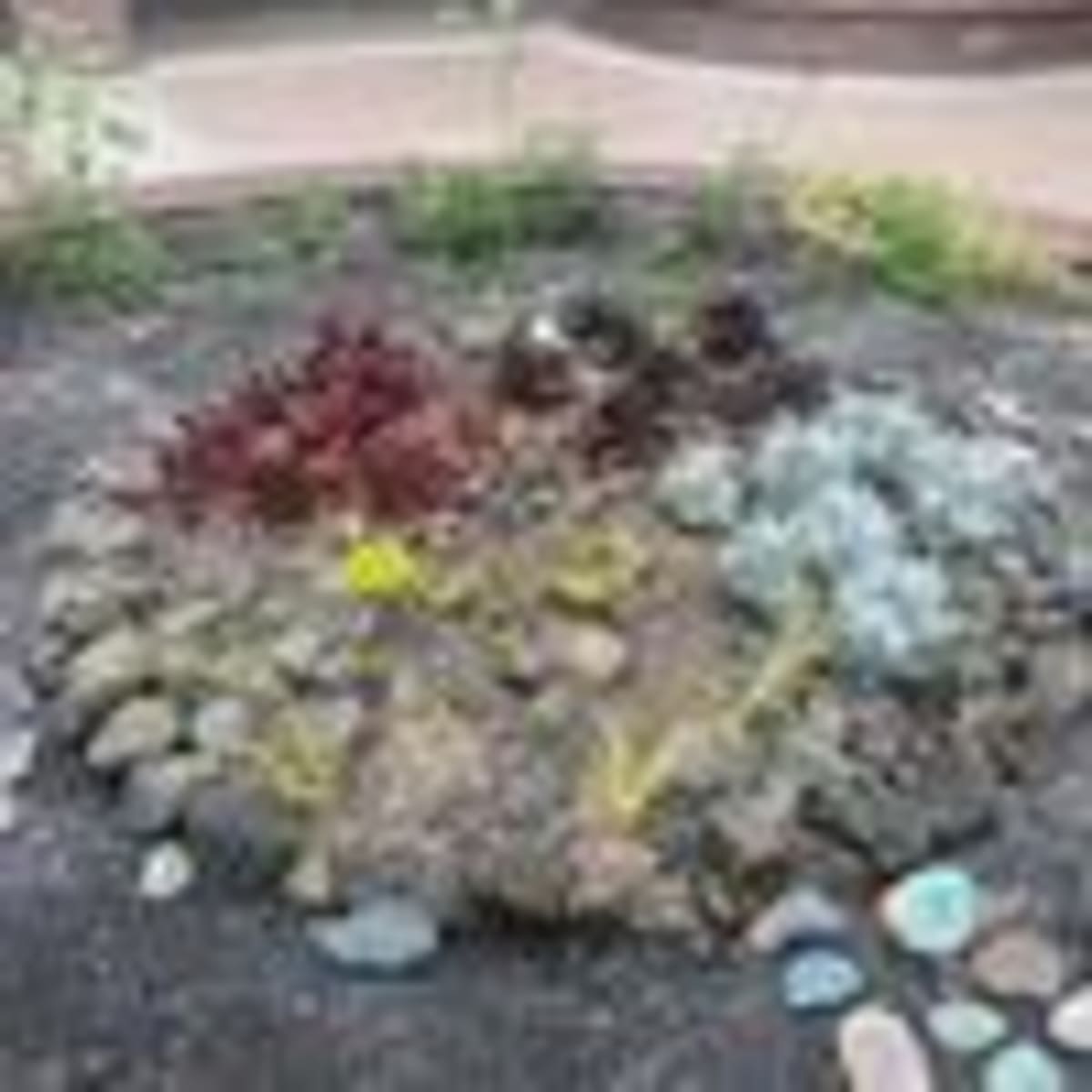
One visible result is the medicine wheel garden in the courtyard of the Cow Creek Umpqua Government Offices. Bennett and Dustin Looney, a Cow Creek Umpqua Tribal citizen, designed it together with four sections of contrasting foliage representing different stages of a journey. Food-producing and native plants grow around it.
Mariah Gaut, an enrolled Cow Creek Umpqua member, joined through the Tribe's behavioral health program. She wasn't sure what to expect but quickly discovered she enjoyed learning cultural skills while working with plants.
For Gaut, who recently moved to Roseburg, the classes offered something more than gardening tips. "These classes have been a lot of fun," she said, noting they gave her a chance to "get back into the culture."
The Ripple Effect
The partnership shows how traditional knowledge and modern research can work together. The Cow Creek Umpqua people have relied on plants for food and medicine for generations, and those connections remain vital to their cultural identity today.
Extension brings research-based horticultural knowledge, while the Tribe shapes the program around what participants need. That flexibility lets gardening become a doorway to practical skills, cultural reconnection, and community building all at once.
Bennett has watched participants make real progress through the combination of growing things and growing relationships. The program creates space for people to learn together, share experiences, and build connections that extend beyond the garden.
In soil and succulents, hammers and planters, people are finding roots that help them heal.
More Images
Based on reporting by Google News - Recovery Story
This story was written by BrightWire based on verified news reports.
Spread the positivity!
Share this good news with someone who needs it