Oregon Uses AI and Sound Recorders to Save Threatened Owls
Oregon is swapping biologists hiking through dark forests for AI-powered sound recorders that can monitor threatened species safer, cheaper, and more effectively. The new technology costs just $600 per device and could revolutionize how we protect endangered wildlife.
📺 Watch the full story above
Counting endangered owls used to mean sending biologists into pitch-black forests at night, where they'd hike treacherous terrain without trails, calling out to birds and hoping for a response.
Oregon just found a better way. The Oregon Department of Forestry now uses AI-powered sound recorders that do the same job safer, cheaper, and more thoroughly.
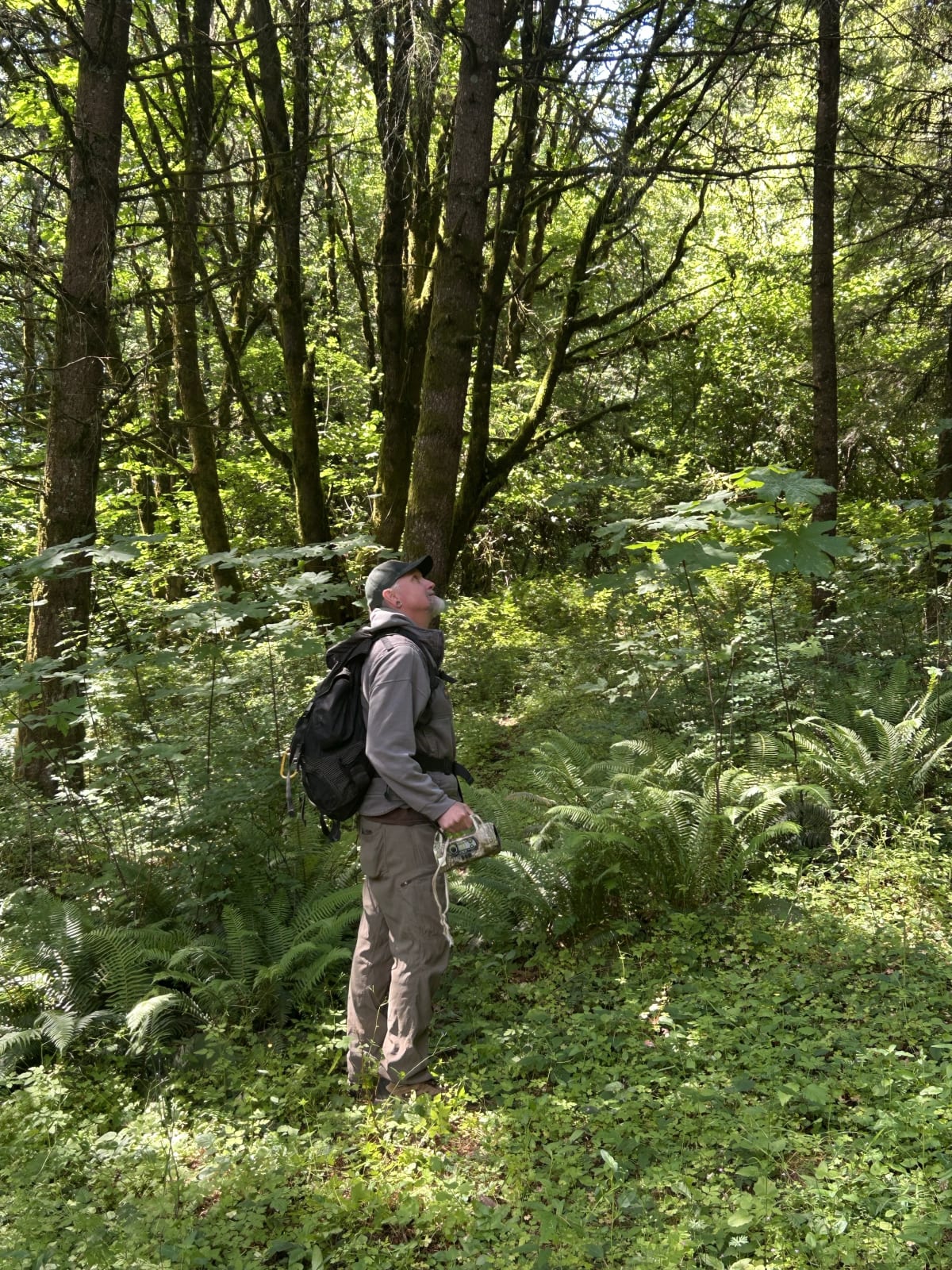
For decades, the agency spent millions on "callback surveys" where biologists physically traveled to forests to count threatened species like northern spotted owls and marbled murrelets. These surveys happened on just one night per location, requiring workers to drive dark gravel roads, trudge through steep wilderness, and stand in the rain for hours.
"It is not easy work nor a fun experience some nights," said Mike Davis, an Oregon Department of Forestry biologist.
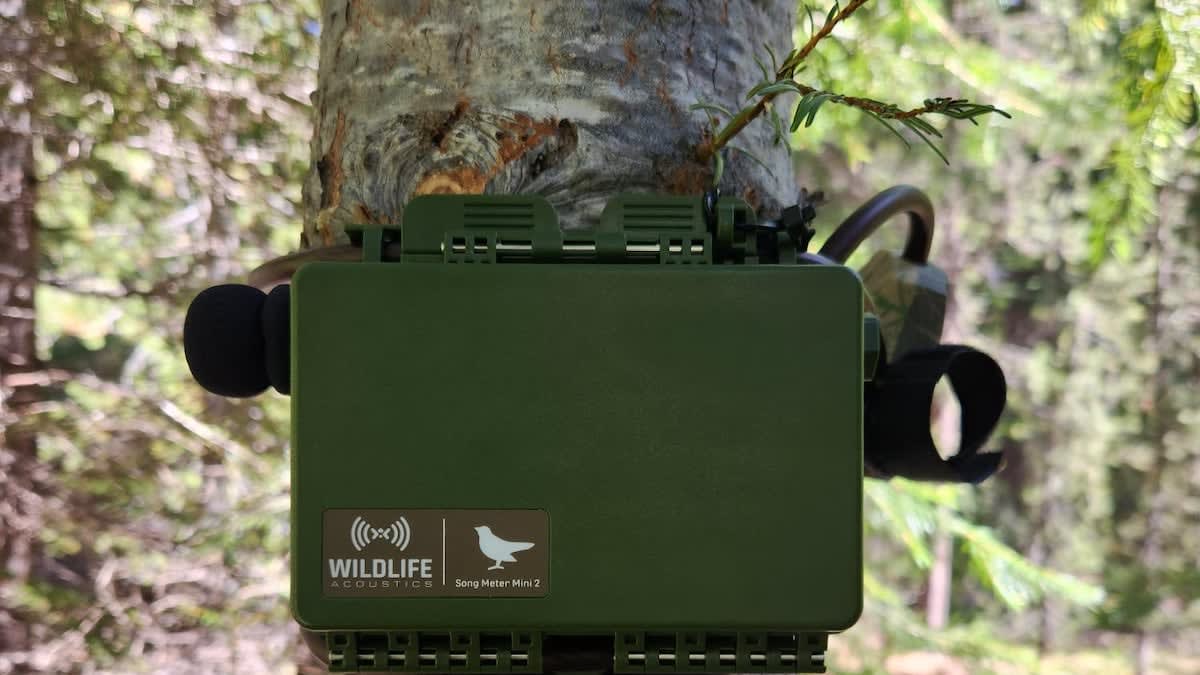
The autonomous recording units cost between $600 and $700 each. They run on rechargeable batteries and can record environmental sounds like bird calls and frog choruses for weeks without human help, just like trail cameras.
The agency started experimenting with the recorders in 2022 and now has 23 devices deployed across Oregon's forests. The plan is to phase out callback surveys entirely as more units come online.
Here's how they work: biologists set up the recorders in the forest, then retrieve memory cards weeks later. Specialized software converts the recordings into spectrograms, which are visual patterns that show different frequencies over time. Each species creates a distinct pattern, allowing AI to identify and count individual birds.
The technology doesn't just make life easier for biologists. It can record multiple species simultaneously and gather far more data than a single night of surveys ever could. Davis said the units can be set up and retrieved anytime, not just during specific survey windows.
The Ripple Effect
Some worry the recorders might replace biologists entirely, but lead biologist Vanessa Petro sees it differently. The AI counts still need validation from actual humans to confirm the software didn't misidentify species.
Instead of eliminating jobs, the technology frees up biologists to do other critical wildlife research that automated systems can't handle. The money saved on expensive nighttime surveys can fund studies that help threatened species in new ways.
The U.S. Fish and Wildlife Service still needs to officially approve the recorder method for Endangered Species Act compliance. Once that happens, Oregon can fully integrate the technology into forest management plans.
The agency is also waiting for approval on a new Habitat Conservation Plan that would give them 70 years of certainty for managing 17 different species. Combined with the sound recorders, Oregon hopes to create healthier forests that support wildlife, provide clean water, benefit rural communities, and offer recreation opportunities.
Technology is helping us protect nature more effectively than ever before.
More Images


Based on reporting by Google: species saved endangered
This story was written by BrightWire based on verified news reports.
Spread the positivity!
Share this good news with someone who needs it