Oregon's Smart Growth Plan Protects Farms and Homes
Oregon's 50-year urban planning system is quietly working behind the scenes, approving 96% of city expansion requests while protecting farmland and keeping infrastructure costs manageable. The system helps cities plan for housing while preserving the agricultural land that feeds communities.
Oregon has figured out how to grow its cities without losing its farms, and the numbers prove it works.
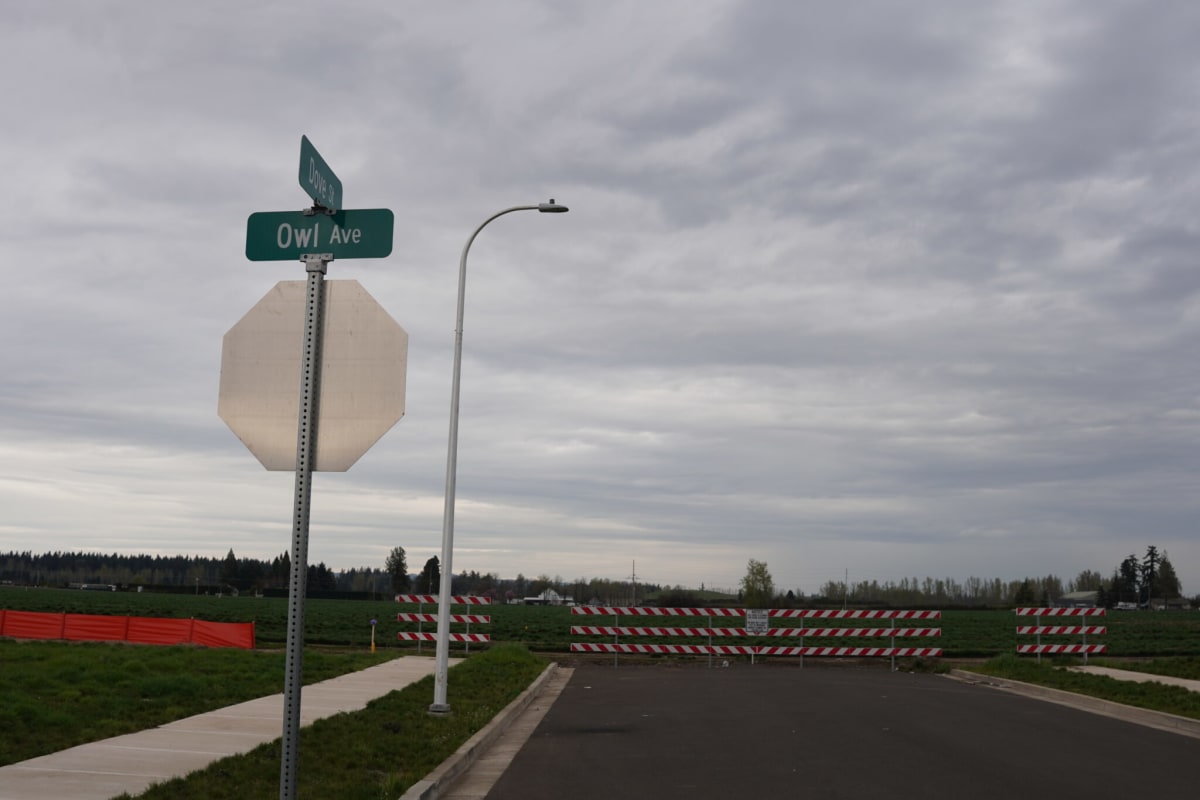
The state's urban growth boundary system, now celebrating 50 years, approves nearly every city expansion request while protecting agricultural soil and keeping infrastructure costs down. From 2016 to March 2025, cities submitted 50 requests to expand their boundaries. Officials approved 96% of them, with 84% passing without any appeals within just one year.
The system requires cities to plan for 20 years of housing and industrial growth. When cities need more land, they get it through a straightforward process that involves community input and expert analysis.
Bend added 2,767 acres since 2016 with space for 8,815 new homes. Across Oregon, cities have at least 10,000 acres ready for industrial development inside existing boundaries, including lots of 500 acres or more.
The program helps direct limited public funding where it matters most. Cities naturally sit on top of the best agricultural soil, so careful planning prevents sprawl that would harm one of Oregon's largest economic drivers while saddling cities with expensive new roads and utilities they can't afford to maintain.
The Bright Side
Smart planning creates predictability for farmers and developers alike. Agriculture depends not just on land but on specific soil quality, and the boundary system helps protect that irreplaceable resource while still giving cities room to grow.
The recent Oregon Housing Needs Analysis takes planning further by requiring cities over 10,000 people to assess what types of housing their communities actually need across five income levels. Cities must inventory available land and create strategies to meet those needs, including expanding boundaries when necessary.
Infrastructure funding remains the real challenge for both housing and industry, not available land. Bend has a $101 million gap just for transportation infrastructure to serve land already approved for development.
Oregon's planning system gives communities a roadmap for growth that protects farms, manages costs, and builds the future people want.
More Images


Based on reporting by Google News - Economic Growth
This story was written by BrightWire based on verified news reports.
Spread the positivity!
Share this good news with someone who needs it