Osteoporosis Drug May Stop Chronic Back Pain at the Source
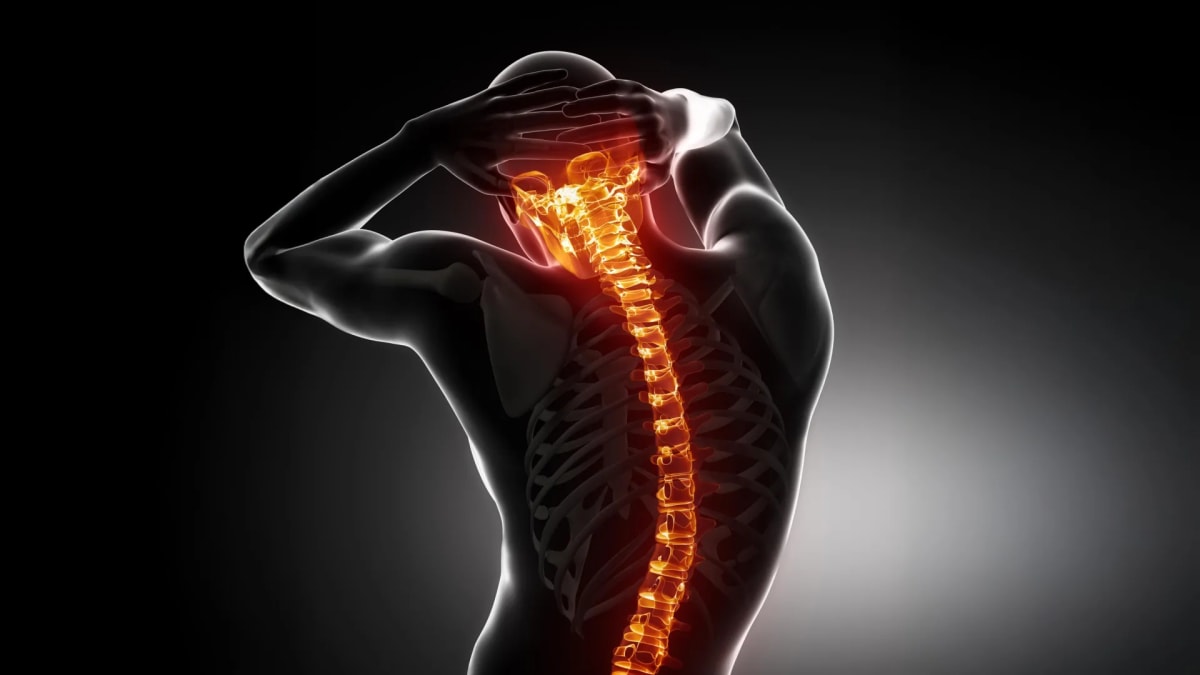
Scientists at Johns Hopkins discovered that a hormone already used to treat weak bones can prevent pain nerves from invading damaged spinal tissue. The breakthrough could finally offer relief to millions who suffer from chronic low back pain without a clear cause.
Millions of people live with chronic back pain that doctors can't explain or fix, but researchers just discovered an unexpected solution hiding in plain sight.
Scientists at Johns Hopkins University found that parathyroid hormone (PTH), a treatment already prescribed for osteoporosis, can stop pain nerves from spreading into damaged areas of the spine. The discovery, published in Bone Research, could transform how we treat one of the world's most common health problems.
Dr. Janet Crane and her team studied three different mouse models that mirror how human spines break down over time through aging, injury, and genetic factors. They discovered something surprising: when spines degenerate, pain sensing nerves grow into places they don't belong, creating chronic discomfort even when there's no obvious injury.
The researchers gave mice daily PTH injections for up to two months. The results were remarkable. Treated mice showed stronger, denser vertebral endplates (the cushion between spinal discs and bones), handled pressure more comfortably, reacted less to heat, and moved around more freely than untreated mice.
But the real breakthrough came when scientists looked closer at what was happening inside the spine. PTH activated bone building cells called osteoblasts, which then released a protein named Slit3. This protein acts like a "keep out" sign that pushes pain nerves away from vulnerable spinal tissue.
When researchers grew nerve cells in the lab with Slit3, the nerves produced shorter, less invasive extensions. When they removed the ability to make Slit3 in mice, PTH no longer worked to reduce nerve growth or ease pain. The team even identified a regulatory protein called FoxA2 that controls how PTH triggers Slit3 production.
The Bright Side
PTH therapies are already FDA approved and widely used to treat osteoporosis, which means they have a proven safety record. Some patients taking these medications for bone health have already reported less back pain, though doctors didn't understand why until now.
The path from mouse studies to human treatment still requires clinical trials, but the foundation is solid. Unlike experimental drugs that need years of safety testing, PTH has been prescribed for decades. Researchers now need to confirm whether it works the same way in human spines as it does in mice.
Dr. Crane believes this research could lead to the first treatment that actually fixes the root cause of degenerative back pain rather than just masking symptoms. For the millions who've tried everything from physical therapy to surgery without lasting relief, that possibility offers genuine hope.
This discovery reminds us that sometimes the best solutions aren't new at all, just waiting to be understood in a different light.
More Images

Based on reporting by Google News - Scientists Discover
This story was written by BrightWire based on verified news reports.
Spread the positivity!
Share this good news with someone who needs it