Owls Reclaim UK Coal Mine 50 Years After Closure
Nature is transforming an abandoned English coal mine into a thriving wildlife sanctuary, with owls, wildflowers, and other creatures making the industrial site their home. Five decades after its final coal shipment, the Chatterley Whitfield mine shows how quickly the natural world can heal.
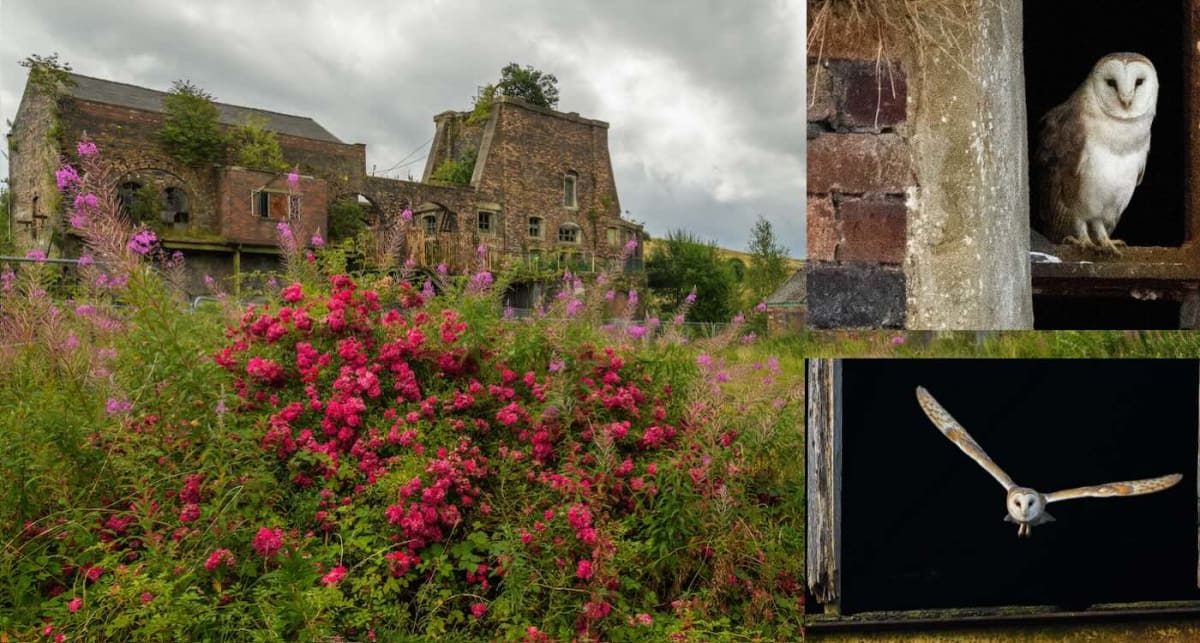
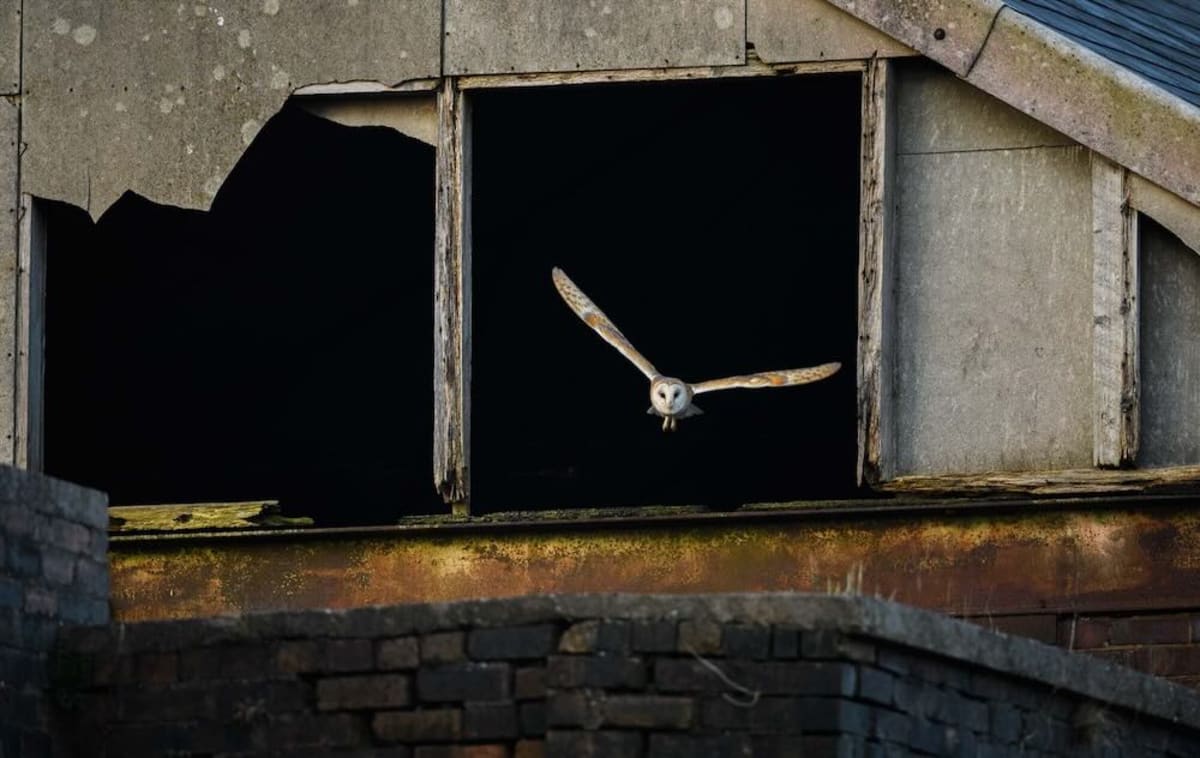
Barn owls now glide through the same towers that once lowered coal miners deep underground at England's Chatterley Whitfield mine.
The massive Staffordshire colliery stopped producing coal in 1976. Today, photographer Andrew Mason is documenting an unexpected transformation as wildlife reclaims the industrial site his father once worked.
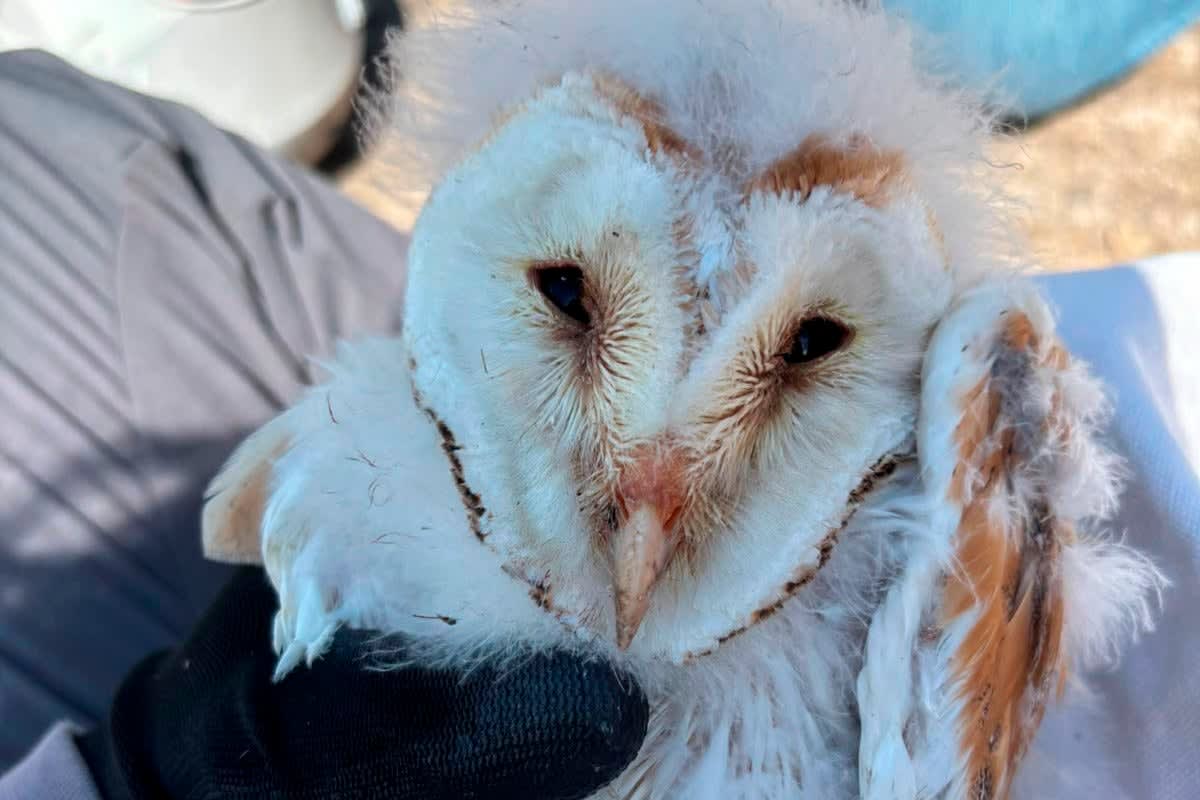
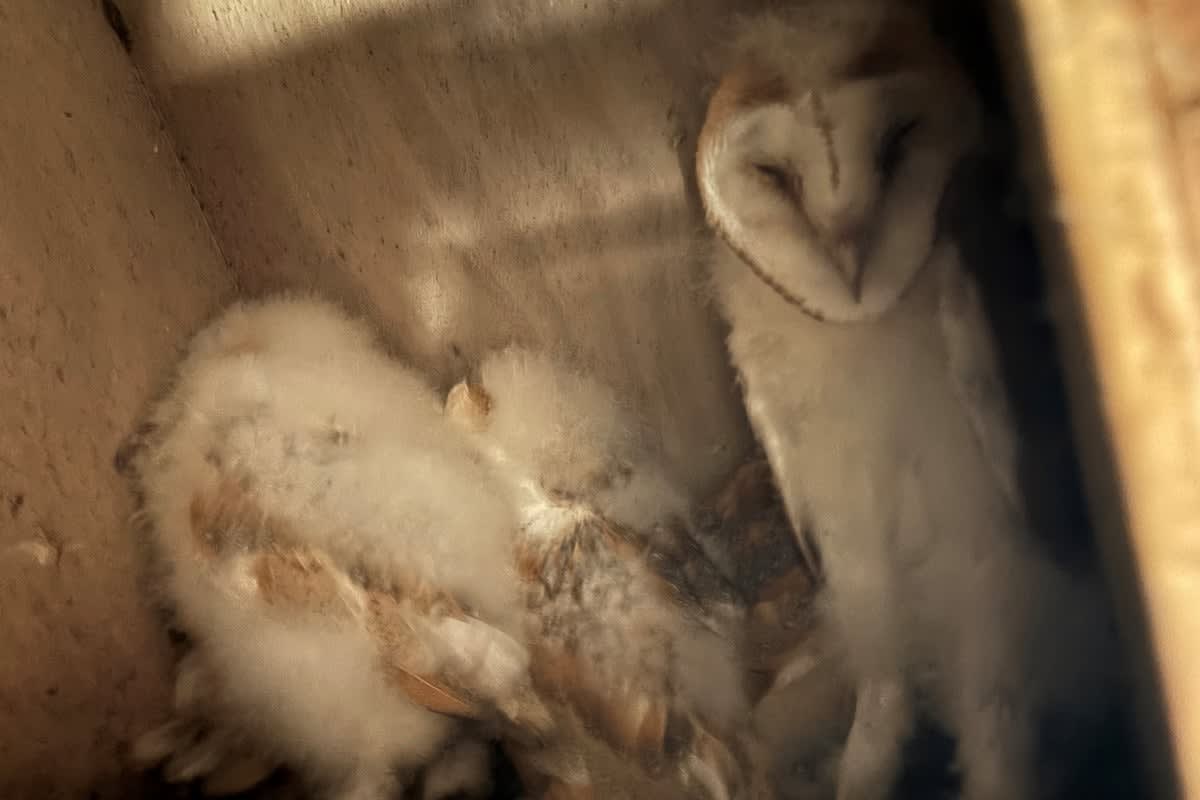
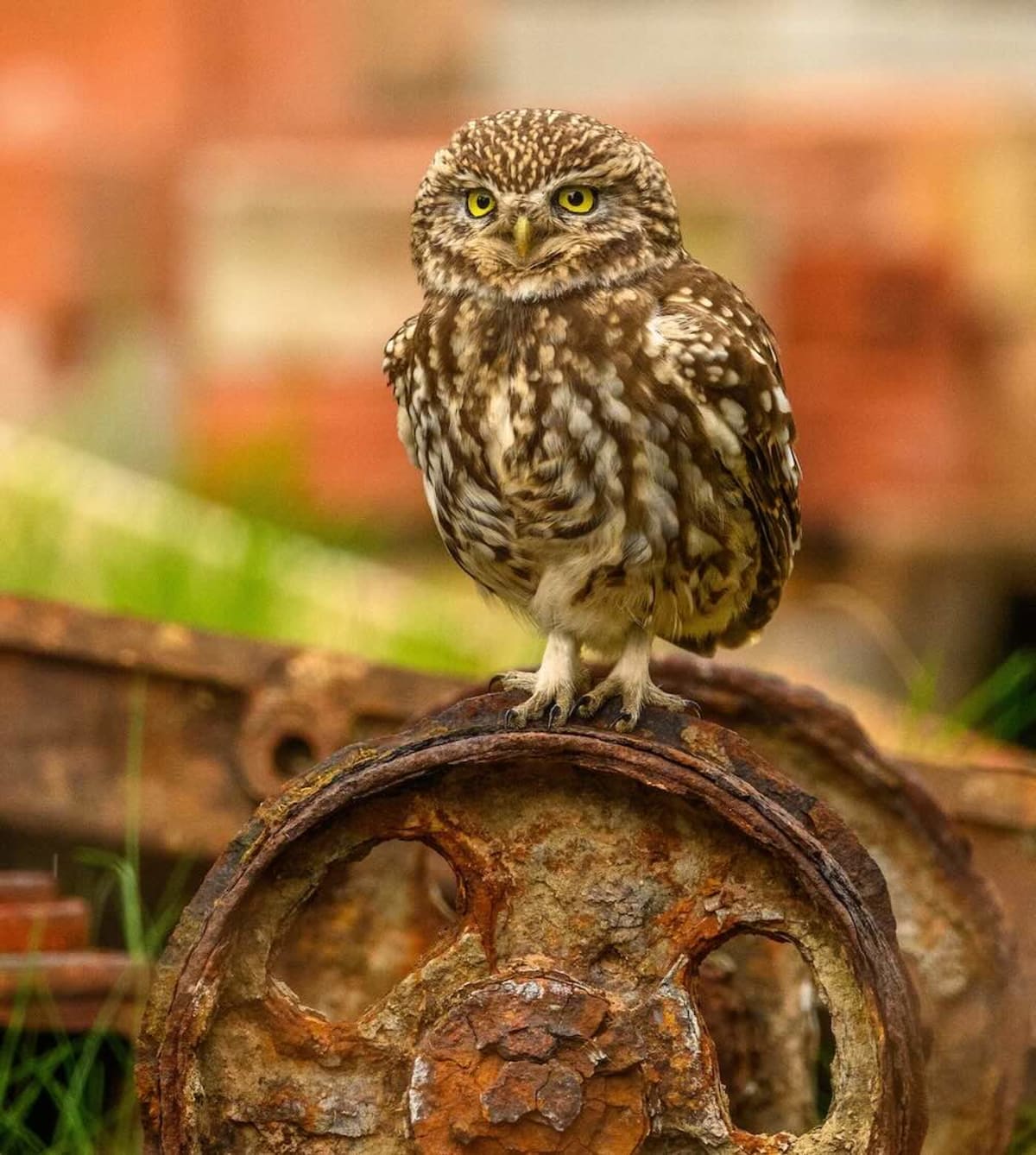
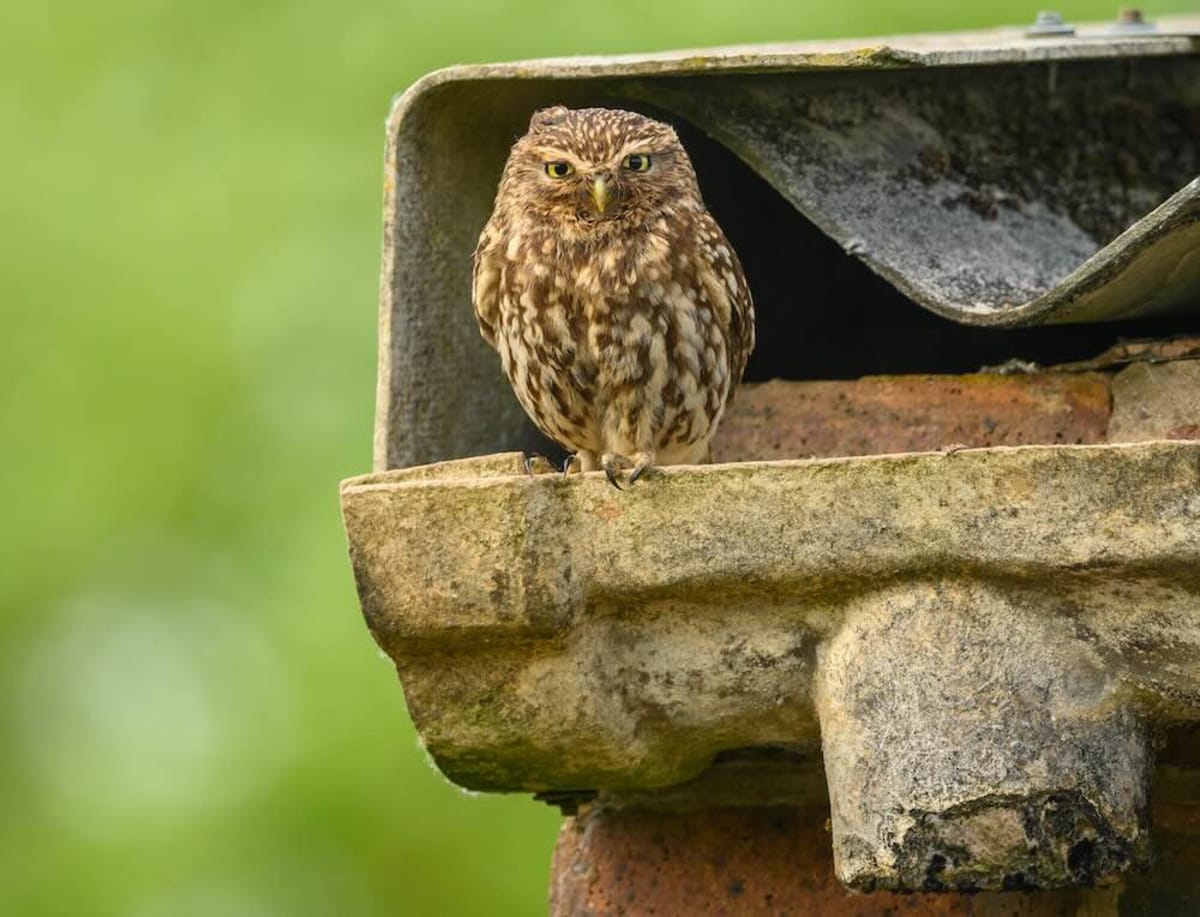
Mason set up cameras throughout the abandoned mine with permission from Stoke-on-Trent's City Council. What he found surprised him: barn owls and short-eared owls nesting in derelict buildings, using the old structures as perfect lookout posts to hunt for prey.
"The colliery is a living example of rewilding," Mason said. "You can literally see nature taking it back from the industrialized world."
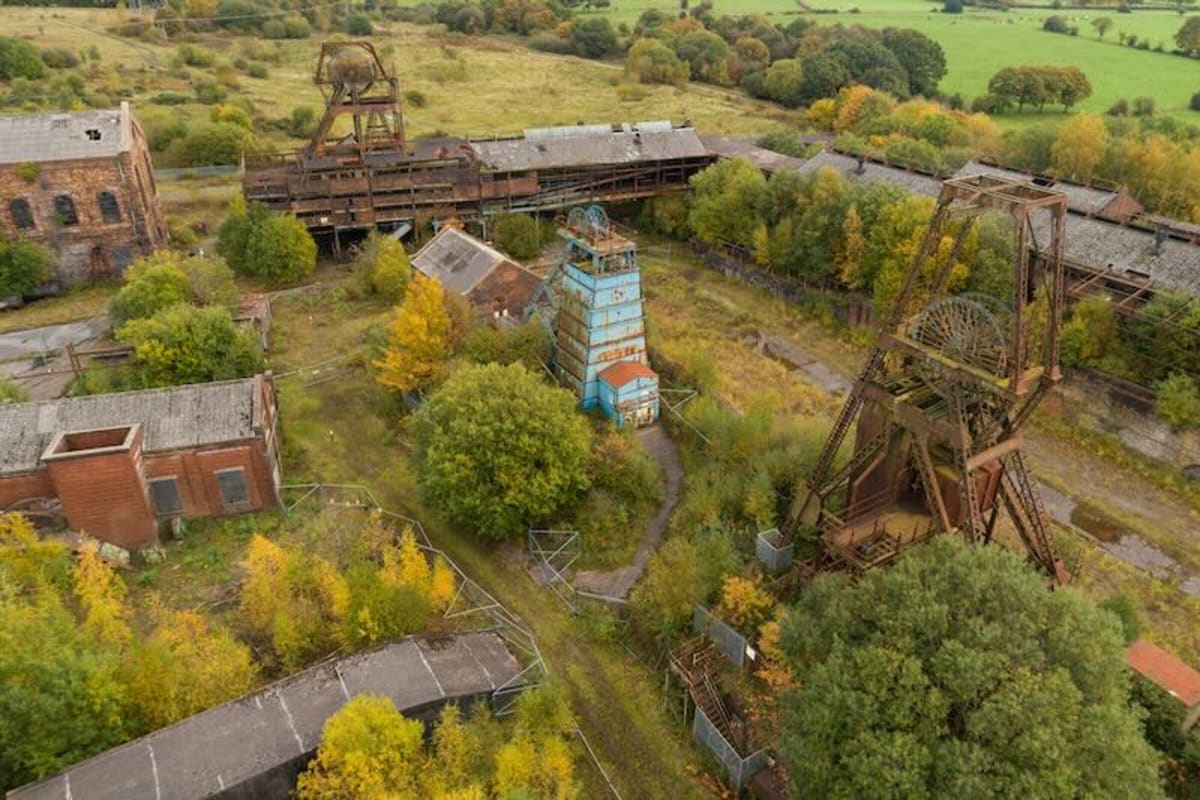
The mine's iconic pit head wheels still stand against the sky. But look closer and wildflowers now grow between rusting metal, climbing up brick walls worn smooth by decades of wind and rain.
Mason discovered wild strawberries sprouting from old coal slag heaps. Badgers and foxes have also made homes in the former industrial site, and he plans to set up trail cameras to capture more wildlife activity.
Chatterley Whitfield once dominated the region as the UK's biggest coal mine and the first to produce a million tons of coal in a single year. After closing in 1977, it briefly reopened as a mining museum that drew tens of thousands of visitors before shutting permanently in 1993.
Why This Inspires
This transformation offers a powerful reminder that nature needs surprisingly little time to begin healing once we step back. Just 50 years after the last coal cart rolled out, the same buildings that symbolized industrial might now shelter owls raising their young.
The site contains 15 listed buildings on Historic England's heritage register. The structures preserve an important chapter of British history while simultaneously becoming something entirely new: a home for wildlife.
Mason captured one striking panoramic shot of a ghostly white barn owl flying past the headgear towers. "There really is a strange beauty in the juxtaposition of the night's white owl flying amongst these old industrial buildings still standing," he reflected.
The mine that once extracted resources from deep underground now gives back in an entirely different way.
More Images
Based on reporting by Good News Network
This story was written by BrightWire based on verified news reports.
Spread the positivity!
Share this good news with someone who needs it