Ozempic Shows 50% Cancer Risk Drop in New Studies
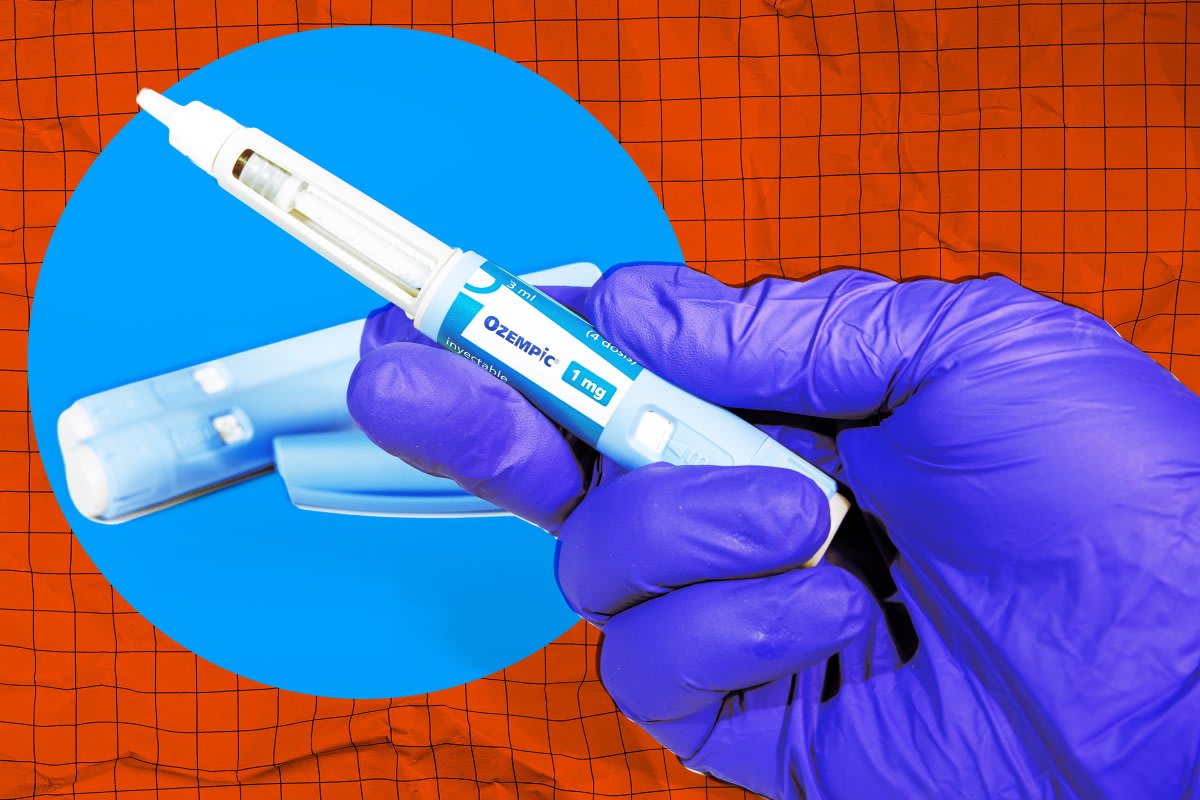
Over 40 studies presented at a major cancer conference reveal that GLP-1 drugs like Ozempic and Wegovy may dramatically reduce cancer risk across multiple types. The findings suggest these medications protect against cancer through both weight loss and powerful anti-inflammatory effects.
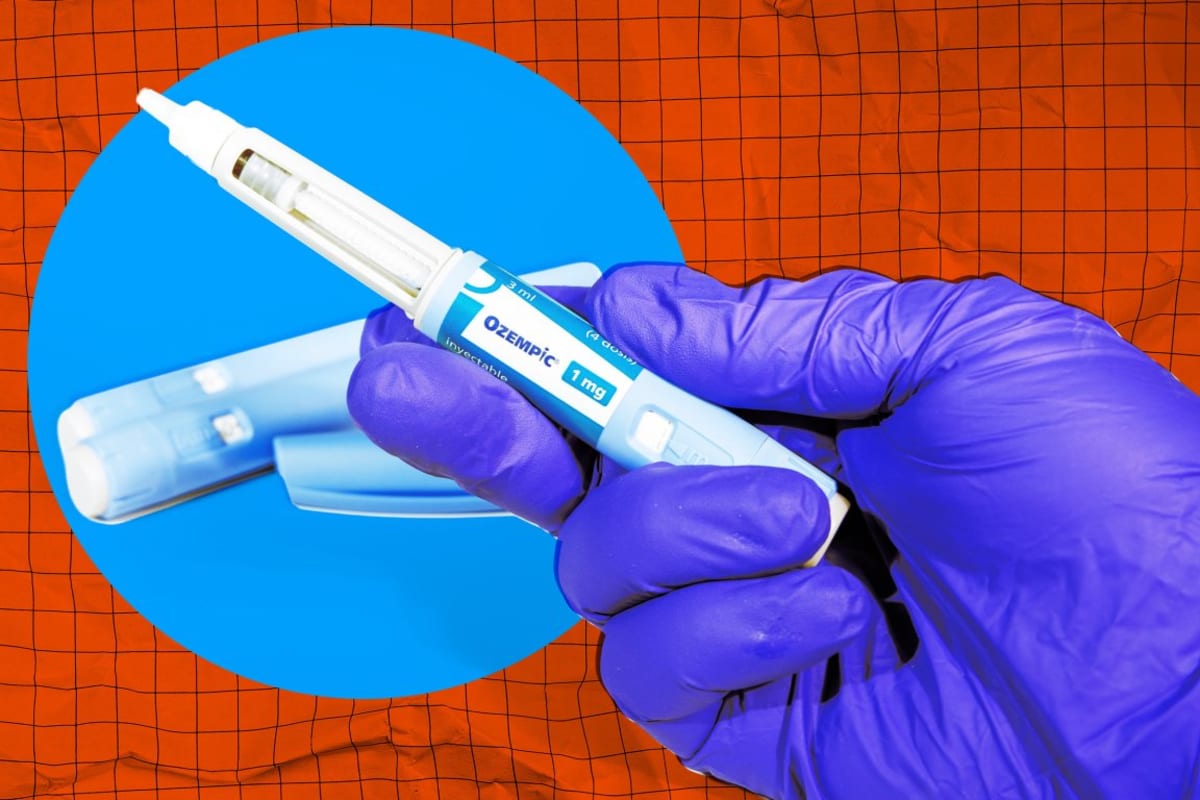
Diabetes and weight loss drugs like Ozempic and Wegovy may be doing something remarkable beyond their original purpose: preventing cancer.
More than 40 studies presented at the American Society of Clinical Oncology conference last month paint a striking picture. Patients taking GLP-1 medications showed significantly lower cancer risks across multiple types, with some reductions reaching 50 percent.
The numbers tell a compelling story. One study tracking 110,000 women found those on GLP-1s were 30 percent less likely to develop breast cancer. Another following 10,000 early-stage cancer patients showed reduced risk in six out of seven different cancer types.
Lung cancer showed the most dramatic results, with a 50 percent risk reduction. That finding particularly intrigued researchers since lung cancer has no known connection to obesity.
The cancer-fighting effects appear to work in two ways. First, the drugs help people lose weight, directly reducing obesity-related cancer risks. But the weight loss alone doesn't explain the full effect, according to Elizabeth McDonald, a radiologist at the University of Pennsylvania who co-authored the breast cancer study.
The second mechanism involves powerful anti-inflammatory effects. These drugs seem to calm immune system inflammation that can trigger cancer development and may even suppress existing tumors.
One study found that GLP-1 users were far less likely to progress to worse cancer stages across four types of solid tumors. Breast cancer patients on these medications showed both lower death rates and reduced cancer recurrence.
The Ripple Effect
These findings could reshape how doctors think about cancer prevention on a massive scale. Millions of people already take GLP-1 medications for diabetes and weight management, potentially gaining cancer protection as an unexpected bonus.
The anti-inflammatory effects might benefit conditions beyond cancer too. Chronic inflammation contributes to heart disease, Alzheimer's, and autoimmune disorders, opening doors to even broader health impacts.
All these studies are observational, meaning they show patterns but can't yet prove cause and effect. Researchers need randomized clinical trials to confirm the cancer-fighting benefits and understand exactly how these drugs work against tumors.
Still, the biological logic makes sense to experts. "The potential benefit is real, and it makes biological sense," said Gilberto de Lima Lopes, chief of medical oncology at the University of Miami's Sylvester Comprehensive Cancer Center.
Scientists now face an exciting challenge: separating whether GLP-1s fight cancer through specific mechanisms or simply as a side effect of weight loss. Bernard Fuemmeler, associate director of population science at VCU Massey Comprehensive Cancer Center, calls these questions "really ripe for future investigation."
Doctors aren't ready to prescribe GLP-1s specifically for cancer prevention yet, but the early signals point toward a genuinely hopeful development in the fight against one of humanity's deadliest diseases.
More Images
Based on reporting by Futurism
This story was written by BrightWire based on verified news reports.
Spread the positivity!
Share this good news with someone who needs it