Packaging Giant Cuts Emissions 16% in 4 Years
Ardagh Group, a $9.6 billion packaging company with 58 facilities worldwide, just proved sustainable manufacturing works at scale. Their new report shows major wins in emissions cuts, renewable energy, and recycled materials.
A global packaging giant just showed that going green and growing big can happen at the same time.
Ardagh Group, which makes metal and glass packaging across 16 countries, released its latest sustainability report with numbers that actually move the needle. Since 2020, their metal packaging division slashed direct emissions by 16% and supply chain emissions by 18%.
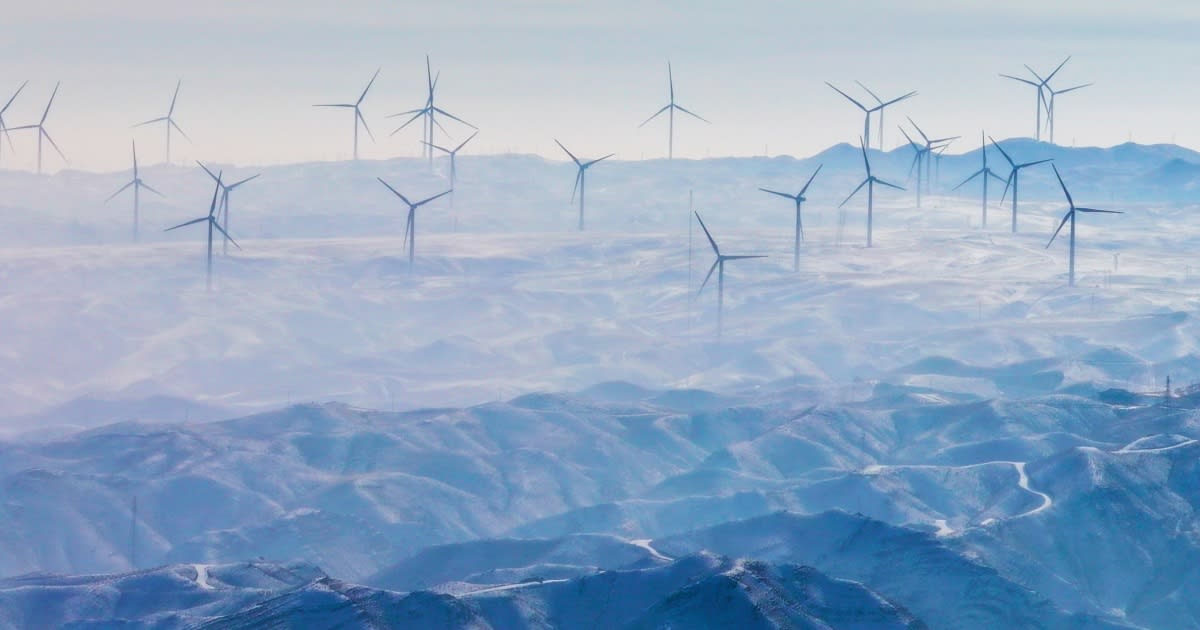
The company now powers nearly half of its glass operations with renewable electricity. Their metal packaging side runs on 25% renewables and climbing.
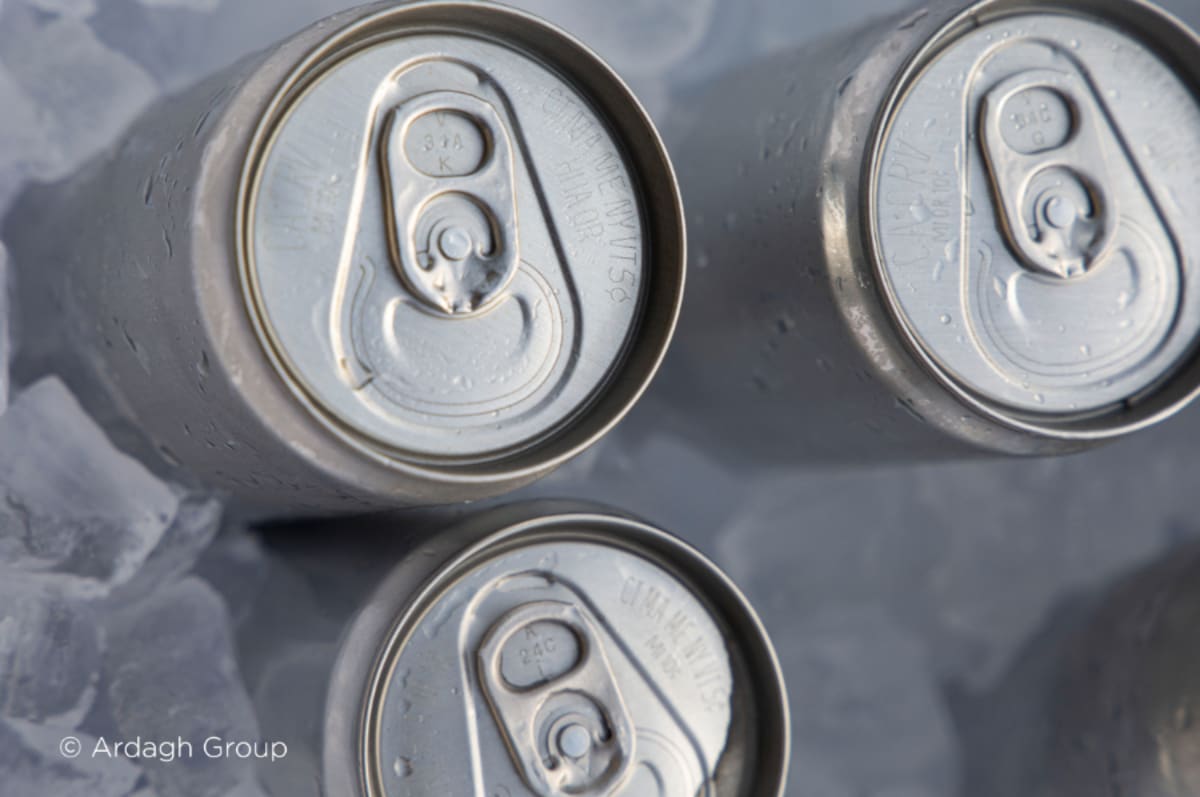
But the circular economy wins might be even more impressive. Every beverage can rolling off their production lines contains 76% recycled metal. Their glass bottles average 55% recycled content.
Ardagh achieved something else that sounds simple but rarely happens in manufacturing. Every single one of their metal packaging plants now sends zero waste to landfills. Not most plants. All of them.
The company operates 58 facilities and reported $9.6 billion in sales last year. That scale matters because when big manufacturers prove sustainability works, entire industries pay attention.
The Ripple Effect
Ardagh's progress creates momentum far beyond their own walls. When a major supplier cuts emissions and boosts recycled content, it helps their customers hit their own climate goals.
Companies buying packaging can now choose options with verified lower carbon footprints. That pushes competitors to match or beat these standards.
The shift toward renewable energy at this scale also strengthens the business case for clean power. Large industrial buyers signing long-term renewable contracts help stabilize the market for everyone.
CEO Alexander Kuzan framed it as partnership. "We partner with our customers to create long-term value while contributing to a more circular, low-carbon economy," he said.
The company isn't claiming victory yet. They're calling this progress toward 2030 targets that include deeper decarbonization, stronger water stewardship, and expanded social impact programs.
Manufacturing will always use resources, but Ardagh just showed it can use dramatically fewer while growing revenue and serving global markets.
More Images


Based on reporting by Google News - Emissions Reduction
This story was written by BrightWire based on verified news reports.
Spread the positivity!
Share this good news with someone who needs it