Painless Patch Tracks Life-Saving Drugs in Real Time
Australian researchers created a wearable patch that monitors critical medications every five minutes, potentially preventing thousands of drug-related injuries and deaths. The nearly painless device just completed successful human trials.
Doctors finally have a way to monitor dangerous medications without repeatedly drawing blood from patients.
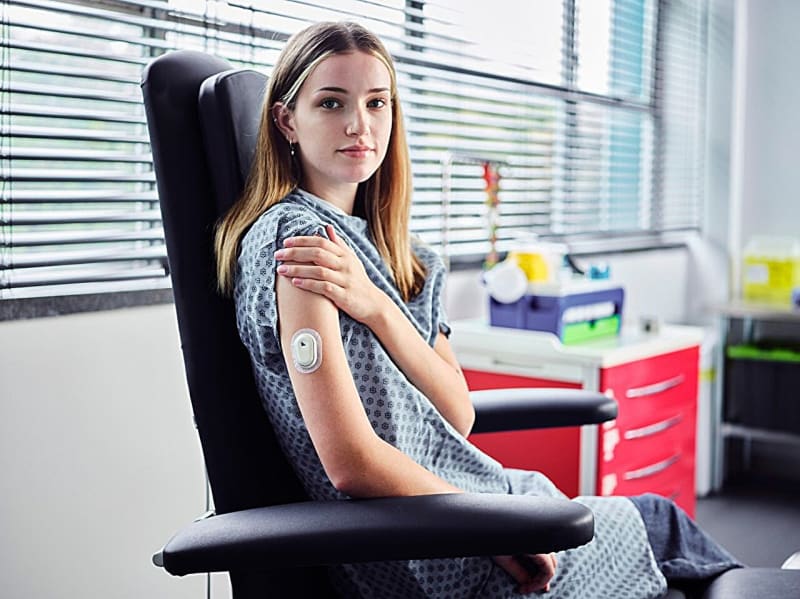
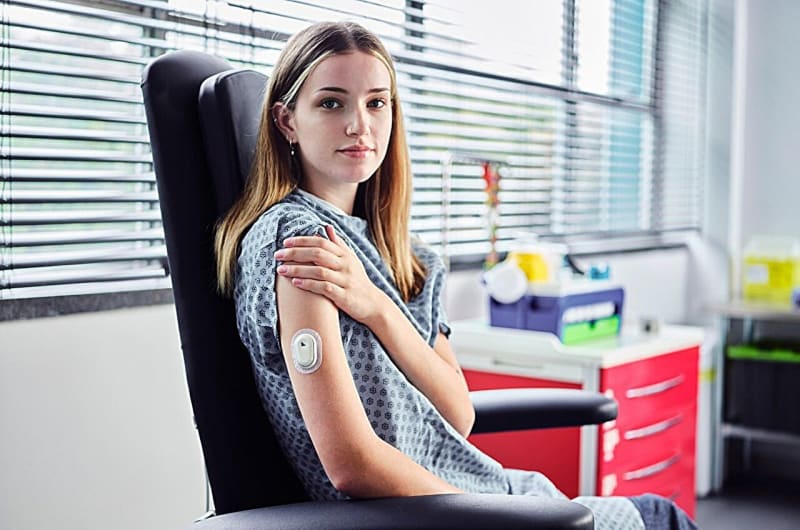
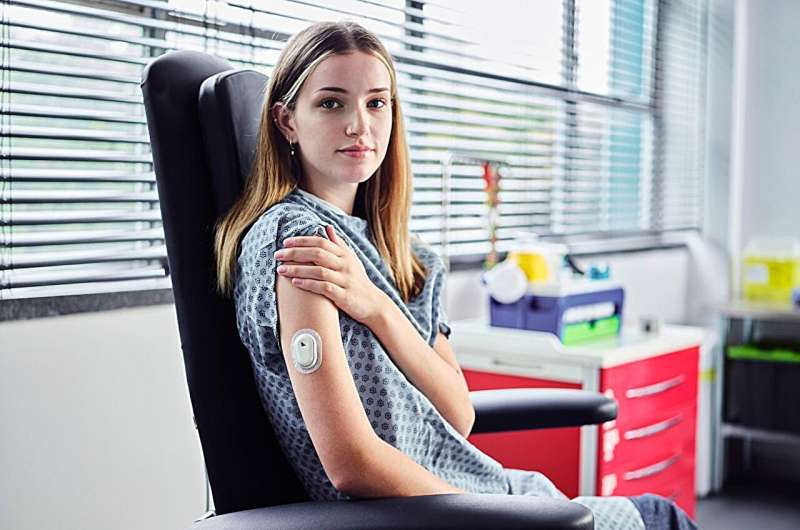
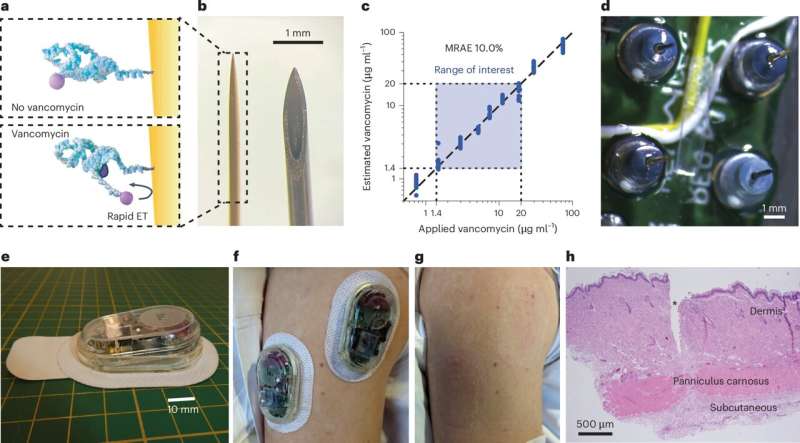
A team from the University of New South Wales and Australian company Nutromics developed a wearable patch that tracks drug levels in the body every five minutes. The device uses tiny needles and synthetic DNA sensors to measure medications beneath the skin, and patients in trials reported the process was nearly painless.
The breakthrough targets a deadly problem in hospitals. Vancomycin, a powerful antibiotic used when nothing else works, sends up to 40% of patients into acute kidney injury because it's so difficult to dose correctly. Too little won't kill the infection, but too much can cause kidney damage or death.
Right now, nurses must draw blood repeatedly to check drug levels. This process takes time, causes discomfort, and often can't deliver results fast enough for doctors to adjust treatment before damage occurs.
The new patch solves this by continuously sampling fluid just beneath the skin. Special sensors called aptamers bind to drug molecules and send readings to doctors in real time, giving them the information they need to keep dosages in the safe zone.
"It means we can monitor people on the timescales needed so we can make sure they get the best treatment, the most effective treatment, and the safest treatment," says Professor Justin Gooding, who helped develop the technology. The team published their clinical trial results in Nature Biotechnology.
The Ripple Effect
The technology doesn't stop with antibiotics. Nutromics is already adapting the patch to detect sepsis, one of the leading causes of preventable death in hospitals. Sepsis symptoms mirror other infections, making it hard to diagnose quickly, but early detection with antibiotics saves lives.
The patches could eventually monitor heart medications, help emergency rooms triage patients faster, or track any small molecule drug in the body. The aptamer sensors can be tweaked to detect different substances, turning each patch into a customizable lab worn on the arm.
Trials are currently running in intensive care units across Australia. Nutromics hopes to receive U.S. regulatory approval by next year, bringing the technology to American hospitals.
Professor Gooding calls this partnership between university researchers and industry "a once in a lifetime opportunity." Academic labs excel at discovery, but companies like Nutromics know how to transform promising ideas into products that reach patients.
"When trying to accomplish a world-first as we have in this study, you need to combine exceptional discovery with translation," says Nutromics CEO Peter Vranes.
Real-time medication monitoring could soon become as common as checking a patient's pulse.
More Images
Based on reporting by Medical Xpress
This story was written by BrightWire based on verified news reports.
Spread the positivity!
Share this good news with someone who needs it