Spinach-Based Eye Drops Heal Dry Eyes With Sunlight
Scientists turned spinach into eye drops that let eyes harness sunlight like plants, healing chronic dry eye disease in mice. The breakthrough could help 1.5 billion people worldwide who suffer daily pain from the condition.
Scientists just gave mice eyes the power to photosynthesize like a plant, and it could change how we treat one of the world's most common eye problems.
Researchers at the National University of Singapore created eye drops called LEAF using photosynthetic particles extracted from ordinary grocery store spinach. Within minutes of application, mouse eyes gained the ability to harness sunlight to produce powerful healing antioxidants.
The drops worked like magic for mice with dry eye disease. Their corneal scars healed, inflammation vanished, and their eyes stayed hydrated for days. The mice went about their normal lives, completely unaware their eyes were now part plant.
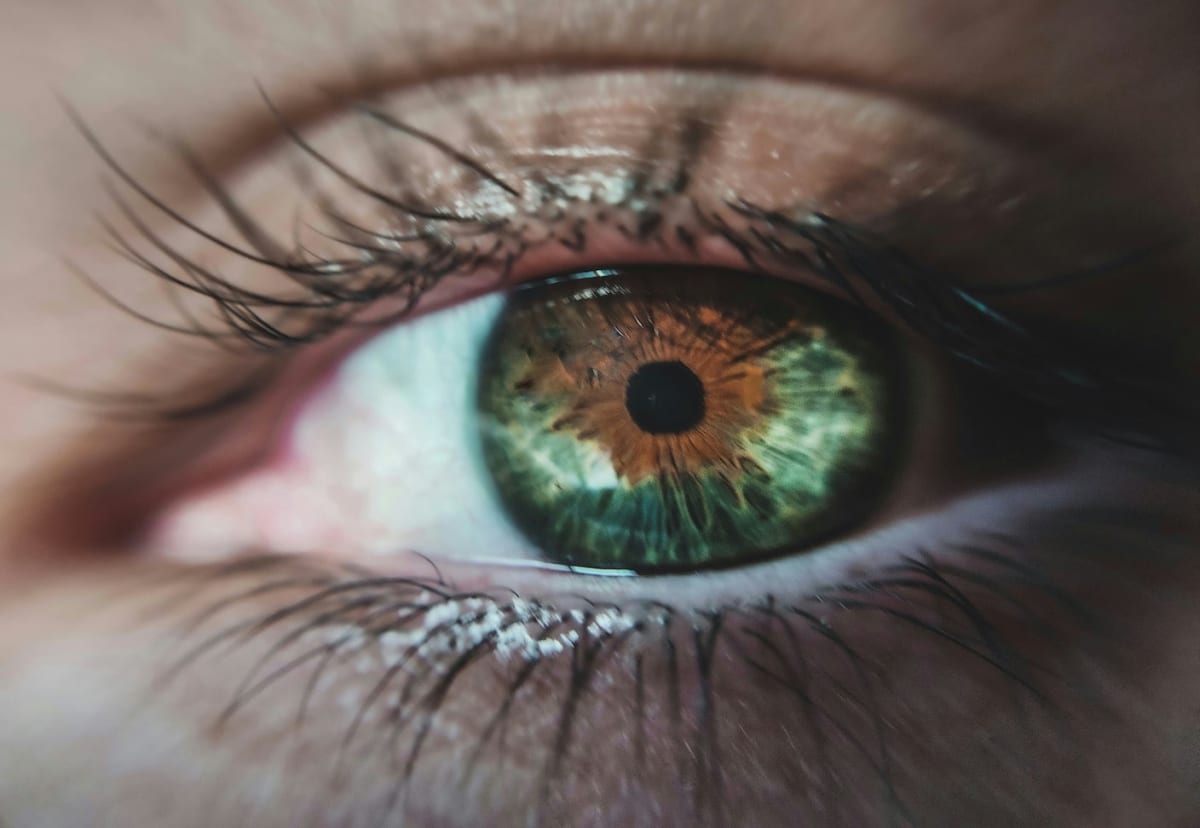
Dry eye disease affects 1.5 billion people worldwide. It's not just annoying. Chronic pain, blurred vision, and light sensitivity make daily life miserable and have been linked to depression and anxiety.
Current treatments are expensive, hard to access, and can cause uncomfortable side effects throughout the body. The disease traps cells in a vicious cycle where inflammation creates toxic molecules that destroy the very defenses cells need to survive.
That's where spinach comes in. Plants make a protective molecule called NADPH during photosynthesis, using completely different machinery than our cells. The team extracted tiny coin-shaped structures called thylakoids from spinach and suspended them in eye drops.
When exposed to regular ambient light, these plant particles pumped out NADPH inside mammalian cells. Within 30 minutes, toxic molecules plummeted and angry immune cells calmed down.
The idea isn't as wild as it sounds. Sea slugs already do this in nature, eating microalgae and storing their photosynthetic parts to survive when food runs scarce.
Eyes turned out to be the perfect testing ground because they're natural windows to visible light. Previous attempts to use photosynthesis in animal joints struggled because light couldn't reach deep enough into tissues.
The Bright Side
This breakthrough represents more than just clever science. It shows how nature's solutions from completely different kingdoms of life can work together in surprising ways.
The treatment is remarkably simple. The main ingredient grows in gardens and sits on grocery store shelves. The particles are tiny, safe, and got to work immediately in both immune cells and corneal cells.
Lead researcher Kuoran Xing captured the wonder perfectly: "We, too, can have limited photosynthetic abilities."
The drops haven't been tested in humans yet, but they represent a genuinely new approach to fighting inflammation anywhere light can reach.
Millions of people wake up every day to burning, painful eyes that make reading, working, and living harder. This spinach-powered solution might finally break that cycle.
More Images

Based on reporting by Singularity Hub
This story was written by BrightWire based on verified news reports.
Spread the positivity!
Share this good news with someone who needs it