Search

Find uplifting stories about heroes, innovations, and solutions

56 results for "photosynthesis"

Scientists Turn CO₂ Into Fuel Using Artificial Photosynthesis
Planet WinsFeb 11

Scientists Turn CO₂ Into Fuel Using Artificial Photosynthesis

Chinese researchers created a material that mimics plant photosynthesis to convert carbon dioxide and water into fuel using only sunlight. This breakthrough could produce sustainable fuel that works with existing gas stations and engines.

Google News - Breakthrough Discovery3 min read
Scientists Give Animals Photosynthesis to Reverse Disease
Health & WellnessApr 9

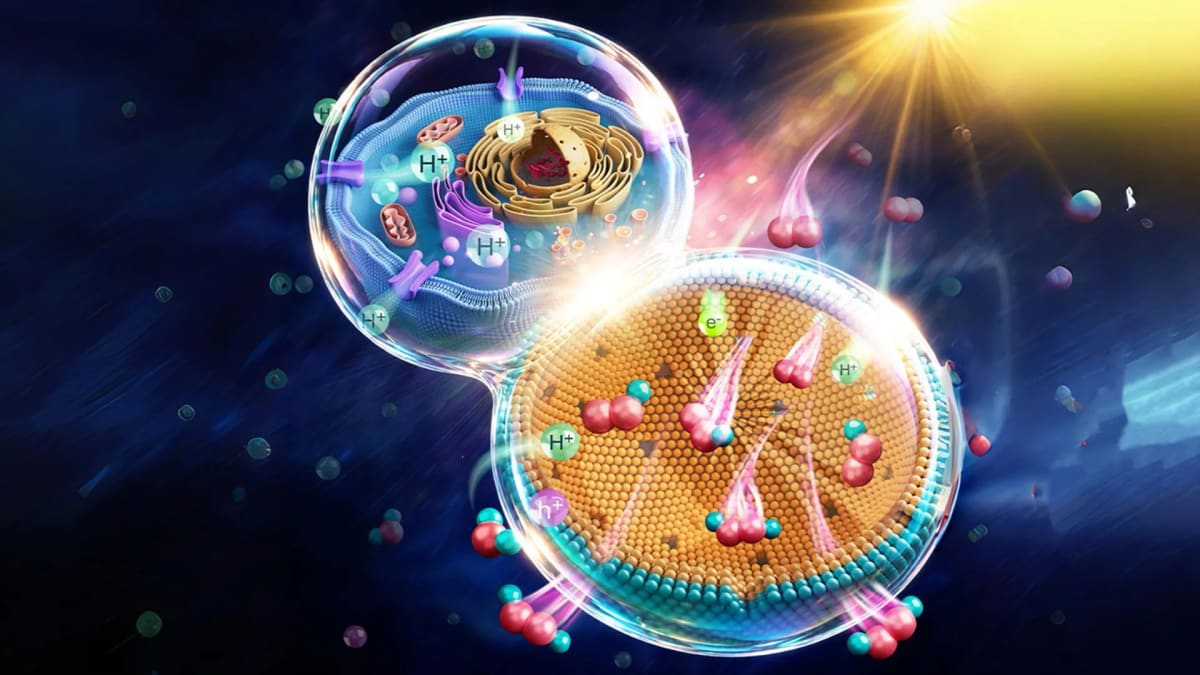
Scientists Give Animals Photosynthesis to Reverse Disease

Chinese researchers successfully transplanted plant-like nanoparticles into sick animals, allowing their cells to harness light energy. The breakthrough reversed degenerative diseases in rats and rabbits, opening new doors for treating aging and cellular dysfunction.

South China Morning Post2 min read
Tiny Moss Cousin Could Boost Crop Yields by 60%
InnovationMar 13

Tiny Moss Cousin Could Boost Crop Yields by 60%

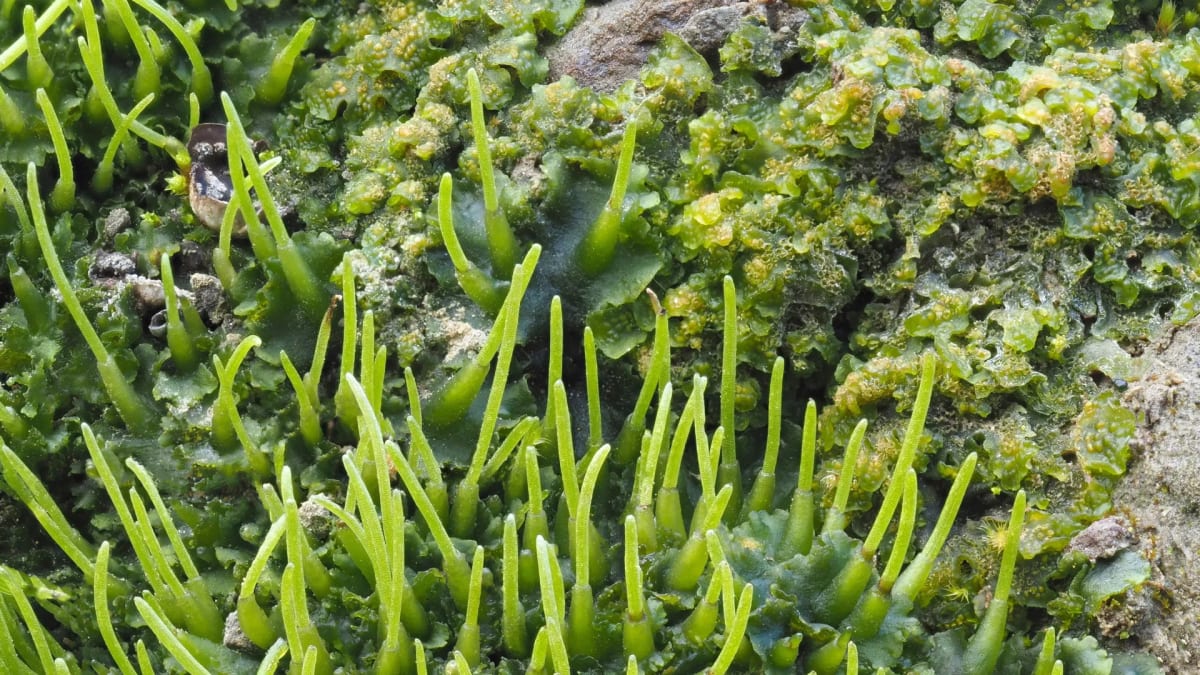
Scientists discovered how a ground-hugging plant called hornwort supercharges photosynthesis, and they've already tested the trick in lab plants. This breakthrough could help crops grow faster while using less water and fertilizer.

Grist3 min read
Scientists Find Plant Trick That Could Boost Crop Yields
SolutionsMar 12

Scientists Find Plant Trick That Could Boost Crop Yields

Researchers discovered how hornwort plants use molecular "velcro" to supercharge photosynthesis. This breakthrough could help engineers design wheat and rice that convert sunlight into food far more efficiently.

Science Daily3 min read
Scientists Give Mouse Eyes Plant Power to Fight Disease
InnovationMay 16

Scientists Give Mouse Eyes Plant Power to Fight Disease

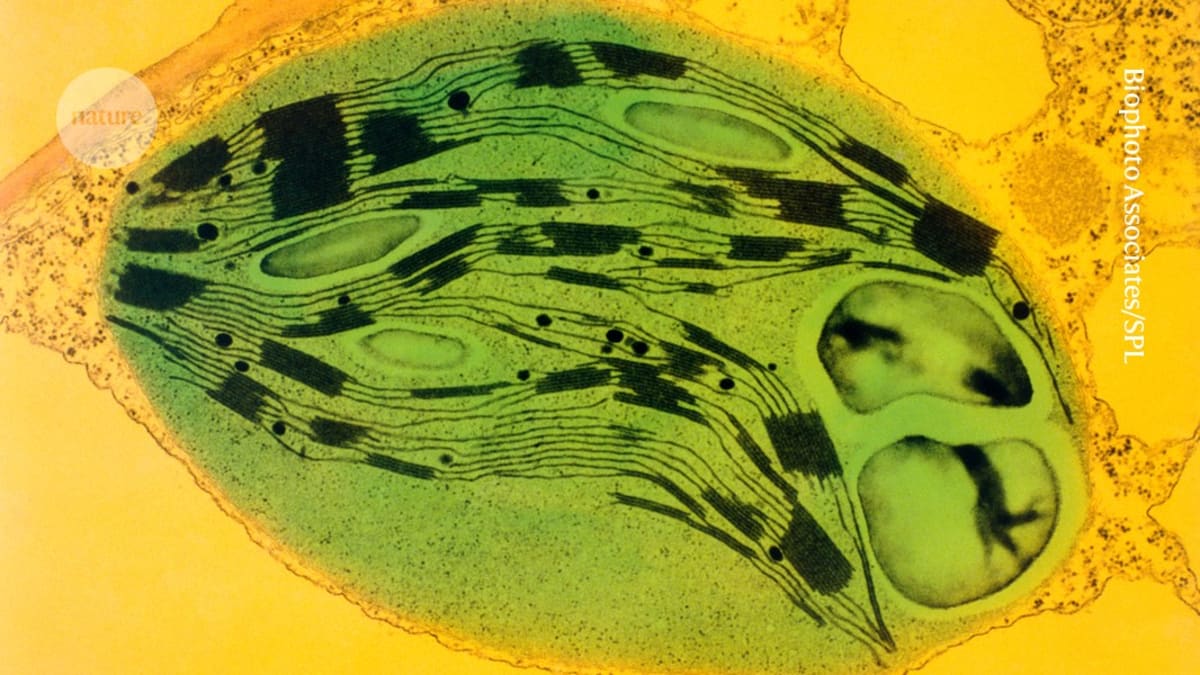
Researchers successfully transplanted photosynthetic parts from spinach into mouse eyes, creating the first mammal cells that can turn light into energy. This breakthrough could lead to new treatments for eye diseases and other conditions.

Google News - Science3 min read
Scientists Turn Eyes Into Light-Powered Healers
InnovationMay 16

Scientists Turn Eyes Into Light-Powered Healers

Researchers at the National University of Singapore created eye drops using spinach plant cells that let human eyes harness light to heal dry eye disease. In lab tests, the treatment reversed corneal damage in five days and outperformed existing medications.

Google News - Disease Cure3 min read
Scientists Create Eye Drops That Photosynthesize Like Plants
InnovationMay 30

Scientists Create Eye Drops That Photosynthesize Like Plants

Researchers developed eye drops containing photosynthetic machinery from spinach that successfully treated dry eye disease in mice. The drops harness light to produce natural antioxidants, opening doors to a new way of treating inflammation without green-tinted vision.

Live Science2 min read
Spinach-Based Eye Drops Heal Dry Eyes With Sunlight
InnovationMay 26

Spinach-Based Eye Drops Heal Dry Eyes With Sunlight

Scientists turned spinach into eye drops that let eyes harness sunlight like plants, healing chronic dry eye disease in mice. The breakthrough could help 1.5 billion people worldwide who suffer daily pain from the condition.

Singularity Hub3 min read
Cave Microbes Expand Search for Life Beyond Earth
InnovationFeb 2

Cave Microbes Expand Search for Life Beyond Earth

Scientists discovered glowing green bacteria thriving in complete darkness inside New Mexico caves, photosynthesizing with invisible light. This breakthrough suggests life could exist in dark environments across the universe we never thought possible.

Google News - Researchers Find2 min read
Scientists Keep Electrons Hot 25,000x Longer for Solar Fuel
SolutionsMay 13

Scientists Keep Electrons Hot 25,000x Longer for Solar Fuel

Researchers discovered a breakthrough that keeps solar energy usable for 25,000 times longer than before, opening the door to turning sunlight directly into fuels and fertilizers. This could help us capture far more energy from the sun than current panels do.

Google News - Scientists Discover3 min read
Scientists Find Way to Make Crops Grow With Less Fertilizer
SolutionsMar 11

Scientists Find Way to Make Crops Grow With Less Fertilizer

Researchers discovered a tiny plant called hornwort that naturally boosts photosynthesis efficiency, and they're working to transfer this trait to wheat, rice, and corn. The breakthrough could reduce fertilizer dependence and help crops thrive in our changing climate.

Google: scientific discovery3 min read
Scientists Make Food and Plastic From Sunlight and CO₂
Planet WinsMay 19

Scientists Make Food and Plastic From Sunlight and CO₂

London researchers built a reactor that turns carbon dioxide and water into living bacteria using only sunlight, opening the door to sustainable chemicals, plastics, and protein without fossil fuels. The breakthrough mimics photosynthesis but gives scientists total control over what gets produced.

Google News - Renewable Energy Breakthrough2 min read
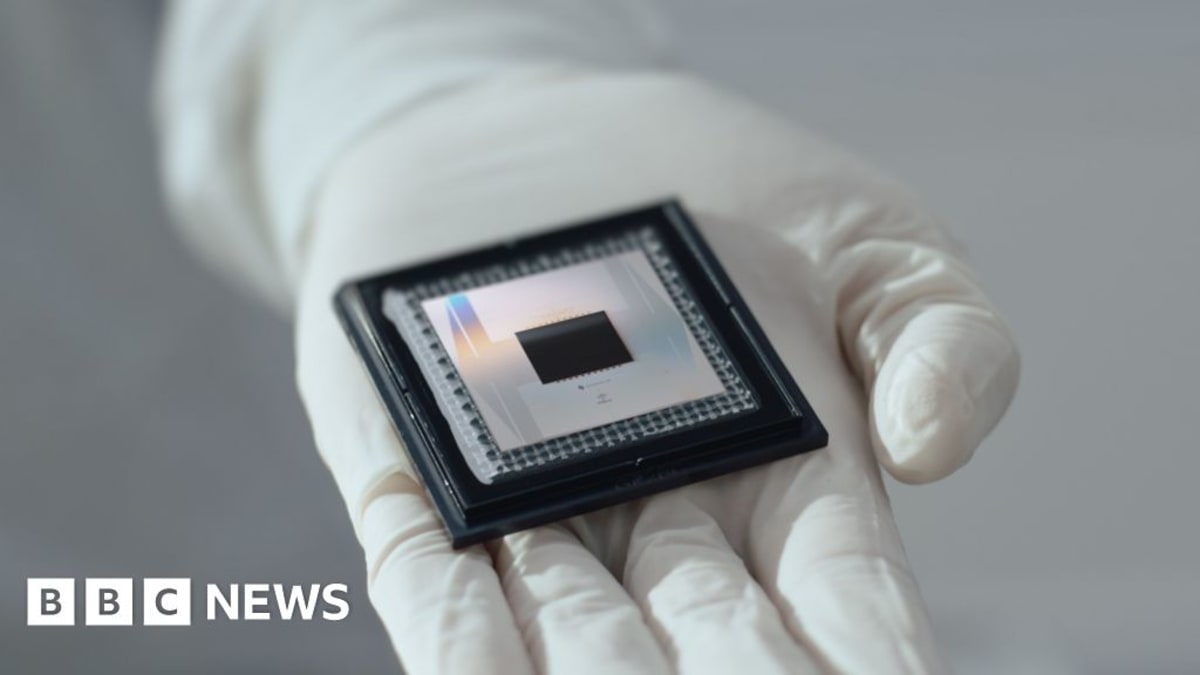
King's College Wins Access to Google's Willow Quantum Chip
InnovationMay 28

King's College Wins Access to Google's Willow Quantum Chip

Scientists from King's College London have become the first UK academic team to access Google's groundbreaking quantum computer chip, Willow. This partnership could unlock answers to mysteries like photosynthesis and lead to better solar cells, new medicines, and more efficient energy grids.

BBC Technology3 min read
New Device Turns Sunlight Into Fuel Without Batteries
Innovation15h ago

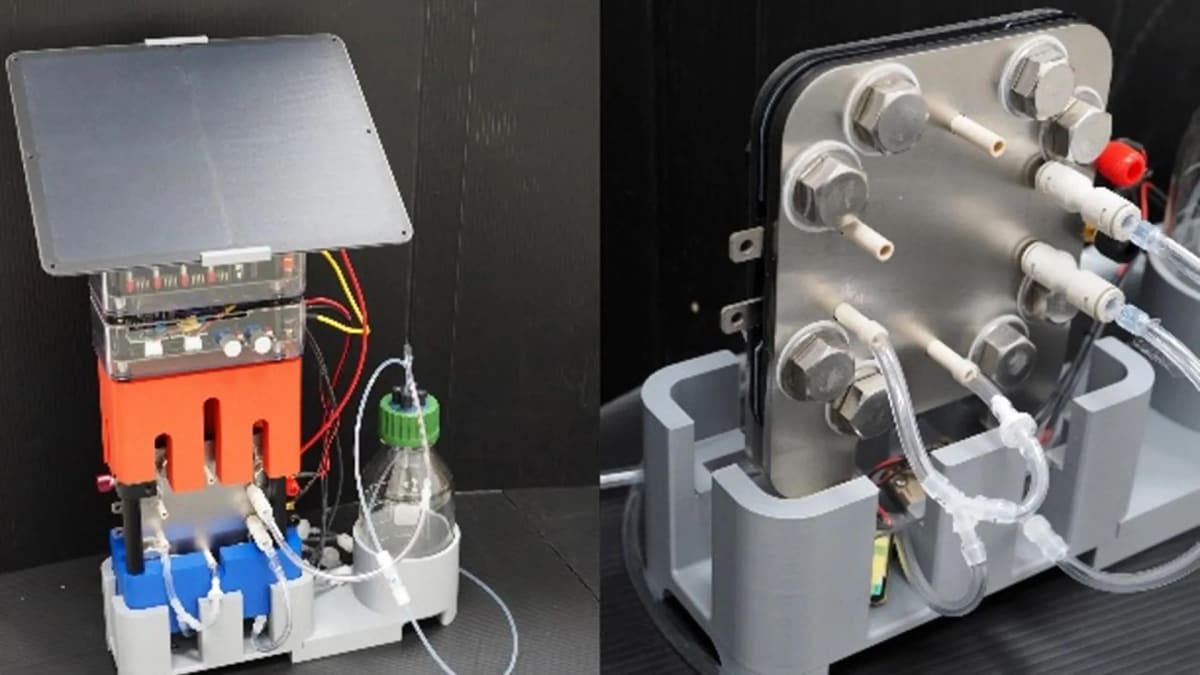
New Device Turns Sunlight Into Fuel Without Batteries

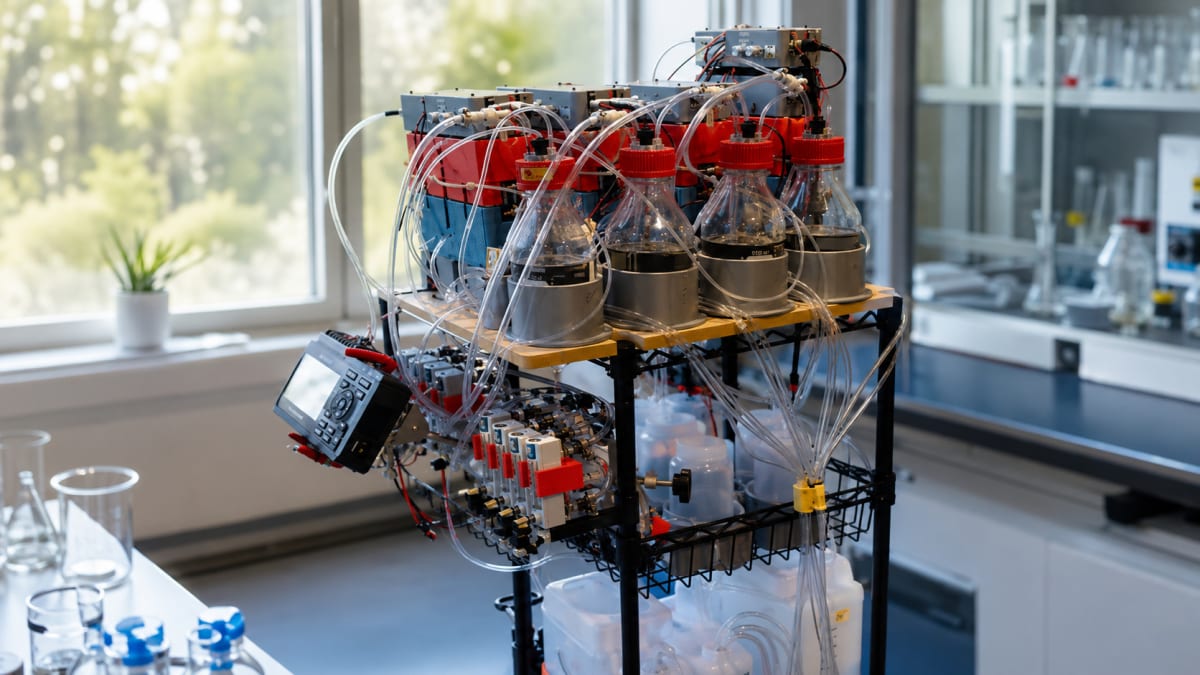
Scientists created a self-regulating solar device that transforms water and CO2 into usable fuel, eliminating the need for expensive batteries. The breakthrough could make clean fuel production simpler and cheaper for everyday use.

Science Daily3 min read
Munich Trees Absorb More CO₂ Than Cars Some Summer Days
Planet WinsMar 4

Munich Trees Absorb More CO₂ Than Cars Some Summer Days

City trees are climate champions we've been underestimating. A groundbreaking study from Munich reveals urban trees can actually absorb more carbon dioxide than all the city's traffic produces on peak summer days.

Phys.org2 min read
Ancient Plants Beat Earth's Worst Extinction With Night Trick
Planet WinsApr 22

Ancient Plants Beat Earth's Worst Extinction With Night Trick

Scientists discovered how primitive plants survived the deadliest extinction event in Earth's history by breathing backwards. The secret? They absorbed carbon dioxide at night instead of during the day.

Google: scientists discover2 min read
Living Walls Grow, Breathe, and Fix Their Own Cracks
InnovationFeb 16

Living Walls Grow, Breathe, and Fix Their Own Cracks

Scientists created building materials embedded with living bacteria that capture carbon from the air, repair themselves, and strengthen over time. A massive installation at the Venice Architecture Biennale is testing whether these living walls can survive for months.

Google News - Science2 min read
Scientists Turn CO2 Into Fuel Using Only Sunlight
InnovationFeb 7

Scientists Turn CO2 Into Fuel Using Only Sunlight

Chinese researchers have created a plant-inspired process that converts carbon dioxide and water into fuel components using nothing but solar energy. The breakthrough could provide sustainable alternatives for industries like aviation and shipping that can't easily switch to electric power.

South China Morning Post3 min read
Sound Waves Create Plant Sunscreen in RMIT Breakthrough
InnovationMay 7

Sound Waves Create Plant Sunscreen in RMIT Breakthrough

Australian scientists just invented a way to spray living plants with protective sunscreen using nothing but sound waves and mist. The gentle technique could revolutionize how we protect everything from crops to computer chips.

Google News - Australia Breakthrough3 min read
China's 66 Billion Trees Turn Desert Into Carbon Sink
Planet WinsFeb 11

China's 66 Billion Trees Turn Desert Into Carbon Sink

Scientists discovered that China's massive tree-planting program has transformed one of Earth's harshest deserts into a carbon-absorbing ecosystem for the first time. The Taklamakan Desert, once called a "biological void," now captures more carbon than it releases.

Live Science3 min read

Showing 20 of 56