Scientists Turn Eyes Into Light-Powered Healers
Researchers at the National University of Singapore created eye drops using spinach plant cells that let human eyes harness light to heal dry eye disease. In lab tests, the treatment reversed corneal damage in five days and outperformed existing medications.
What if your eyes could heal themselves using nothing more than everyday light? Scientists in Singapore just made that possible using an unexpected ingredient: the photosynthesis machinery from spinach plants.
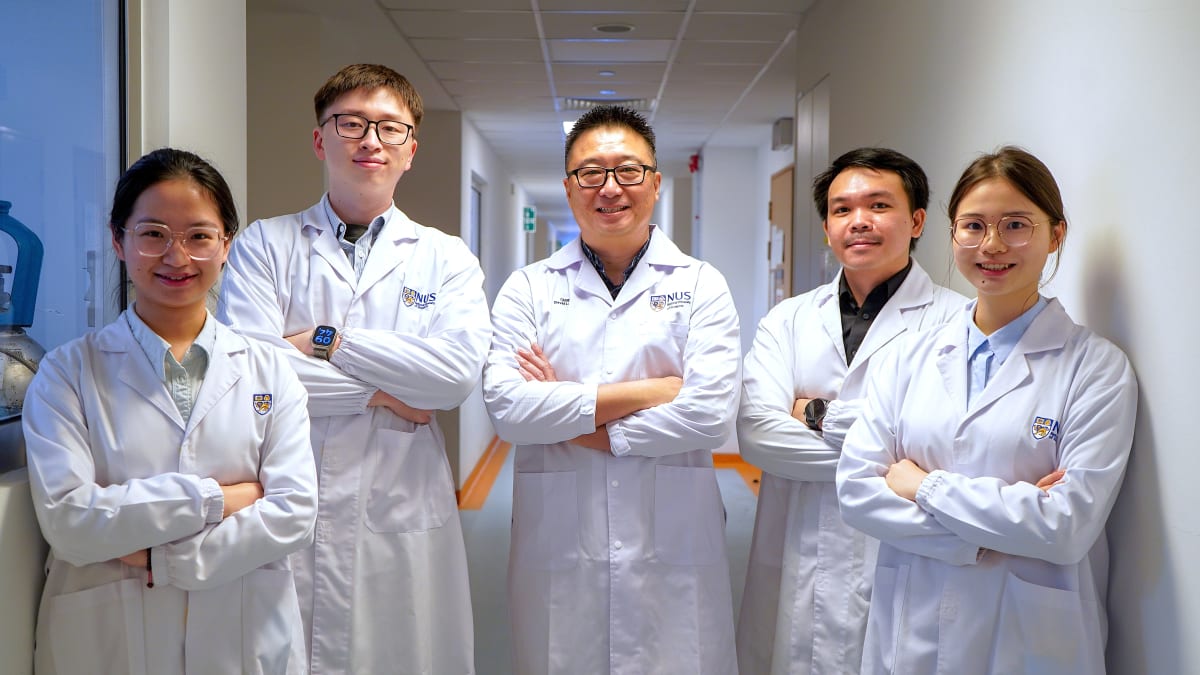
A team at the National University of Singapore developed revolutionary eye drops that transplant tiny light-harvesting structures from plant cells directly into human corneal cells. Once inside, these microscopic powerhouses absorb ambient light and produce healing molecules that stop dry eye disease in its tracks.
Dry eye disease affects more than 1.5 billion people worldwide, causing chronic pain, blurred vision, light sensitivity, and even depression. Current treatments like Restasis cost thousands of dollars annually and often cause uncomfortable side effects that make long-term use difficult.
The condition creates a vicious cycle. Inflammation produces damaging molecules called reactive oxygen species that attack eye cells. Healthy eyes fight back with protective molecules powered by NADPH, but inflamed eyes can't keep up. The damage spirals.
Associate Professor David Leong and his team found inspiration in an unusual sea slug that steals photosynthesis machinery from algae to make its own food. They wondered: could mammalian eyes do something similar?
The researchers created LEAF, a nanosized package extracted from spinach leaves that contains only the light-harvesting parts of plant cells. These particles, about 400 nanometers across, slip easily into corneal cells through simple eye drops. Once inside, they act as dedicated NADPH factories whenever light hits the eye.
The results stunned even the researchers. In lab tests on inflamed cells, LEAF restored protective molecule levels within 30 minutes of light exposure. When tested on actual tear samples from dry eye patients, NADPH levels jumped 20-fold while damaging oxidants dropped by more than 95 percent.
The real breakthrough came in preclinical trials. Animals treated with LEAF eye drops showed near-complete reversal of corneal damage within just five days. The treatment worked better than Restasis and required doses so low they didn't affect color vision.
Dr. Xing Kuoran, the study's first author, called it groundbreaking. "We have, for the first time, demonstrated that plant photosynthetic machinery can be transplanted into mammalian tissue to generate biologically useful molecules, powered entirely by the same light that enables our vision," he said.
The technology works through two pathways, fighting inflammation both inside and outside cells. It even flips immune cells from attacking mode to healing mode, breaking the damage cycle that makes dry eye disease so persistent.
The Ripple Effect
Beyond transforming treatment for 1.5 billion people suffering from dry eye disease, this discovery opens entirely new possibilities for medicine. If eyes can borrow photosynthesis from plants, what other organs might benefit from light-powered healing? The research, published in Cell journal in May 2025, marks the first successful transplant of functional plant machinery into mammalian tissue.
The team used a patented gentle extraction method that keeps the plant structures intact and functional. Because the drops use familiar spinach as their source, the path to regulatory approval may be smoother than entirely synthetic treatments.
For people who've spent years managing painful, expensive chronic eye conditions, relief may soon come from the most unexpected source: the same leafy green that powers Popeye now powers hope for millions of aching eyes.
Based on reporting by Google News - Disease Cure
This story was written by BrightWire based on verified news reports.
Spread the positivity!
Share this good news with someone who needs it