Space Station Bacteria Study Could Save Millions of Hearts
Astronauts aboard the International Space Station are studying pneumonia bacteria to understand why lung infections lead to deadly heart damage. The unique space environment makes bacteria more aggressive, helping scientists spot clues invisible on Earth.
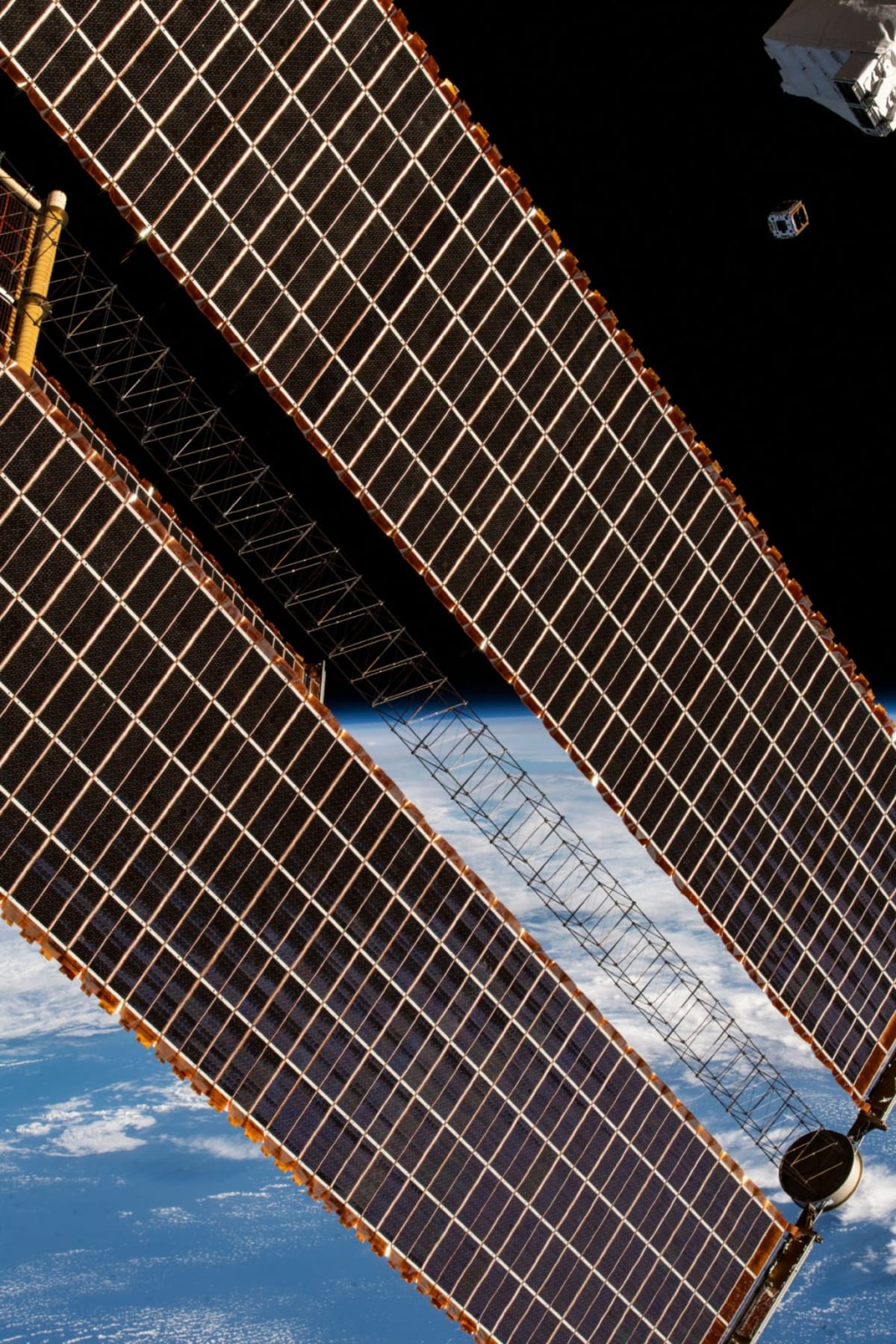
Astronauts floating 250 miles above Earth are unlocking a mystery that kills millions: why does pneumonia quietly damage your heart long after your lungs heal?
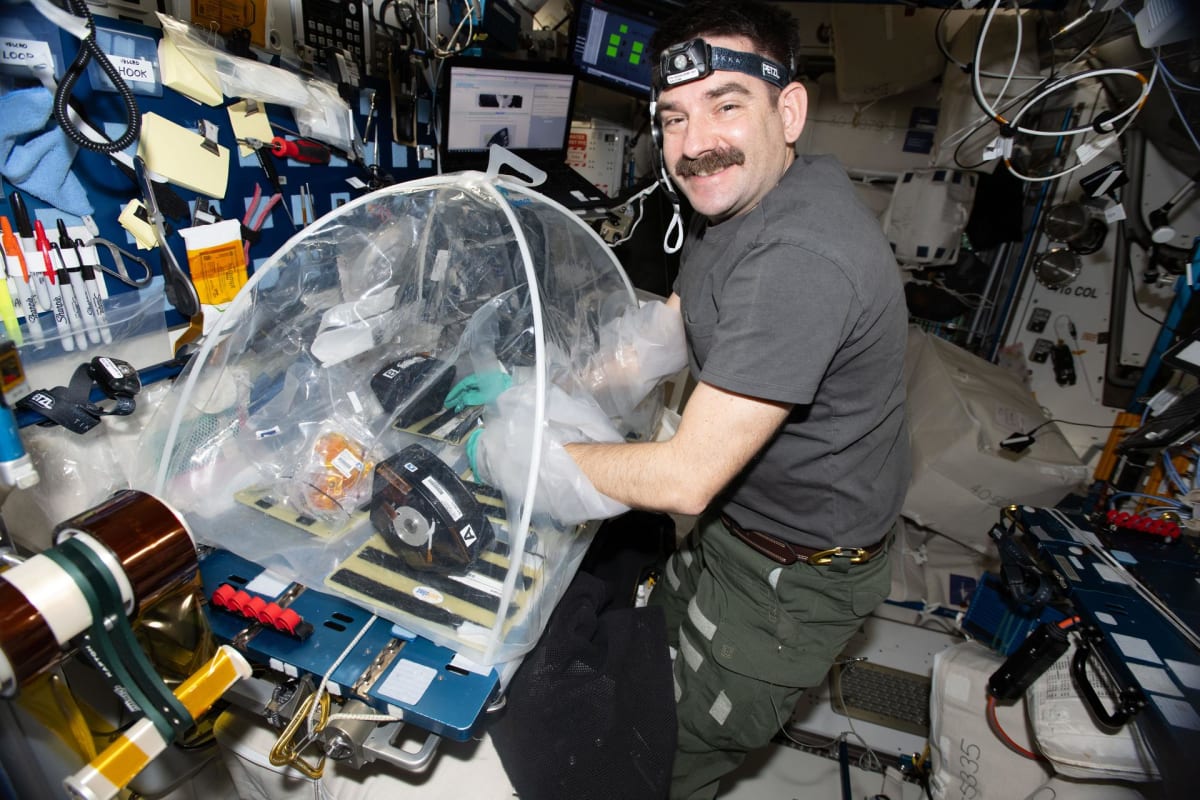
Expedition 74 crew members aboard the International Space Station are studying how Streptococcus pneumoniae, the bacteria behind most pneumonia cases, attacks heart tissue. The findings could change how doctors treat one of the world's deadliest infections.
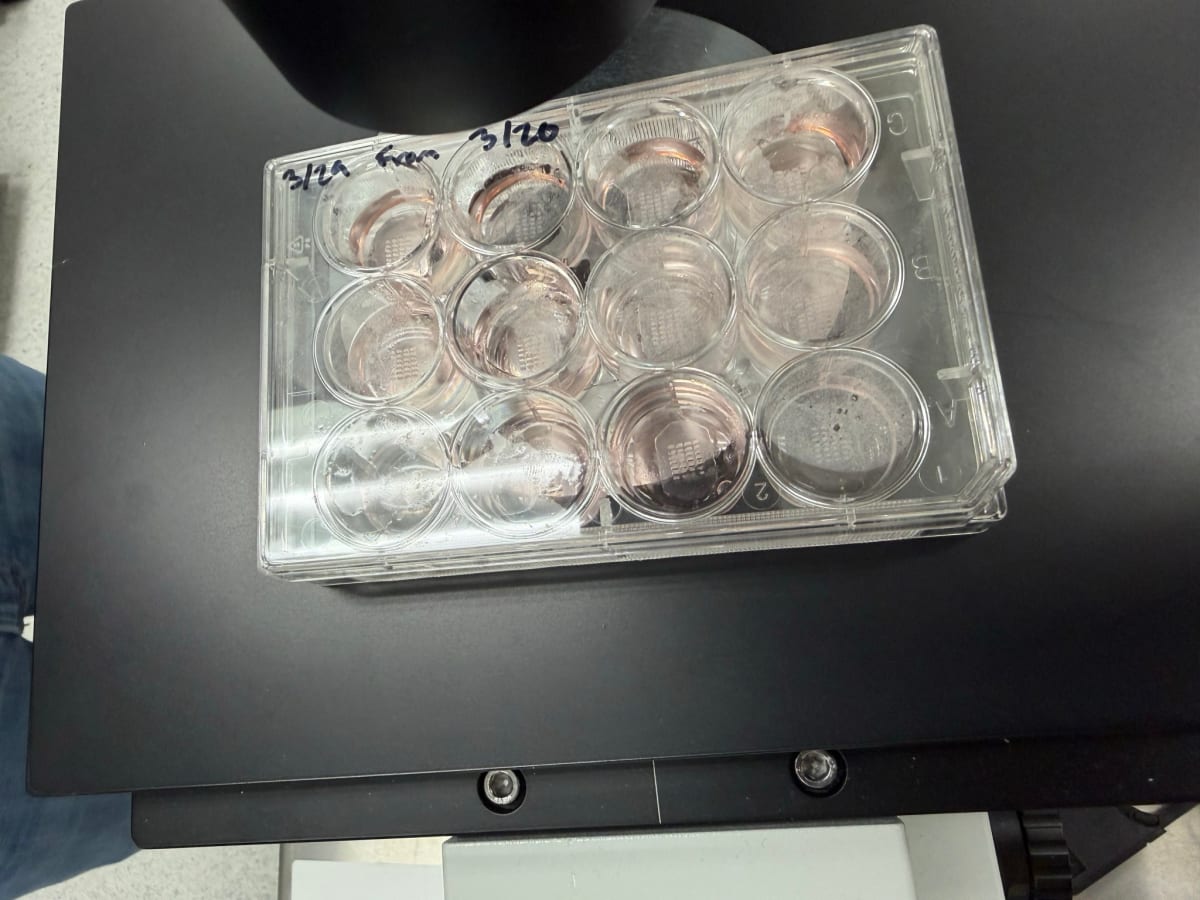
Here's the breakthrough: bacteria in space become more dangerous and resistant to drugs. Scientists are using this extreme environment like a microscope, watching bacterial attacks on stem cell heart tissues play out in ways too subtle to see on Earth.
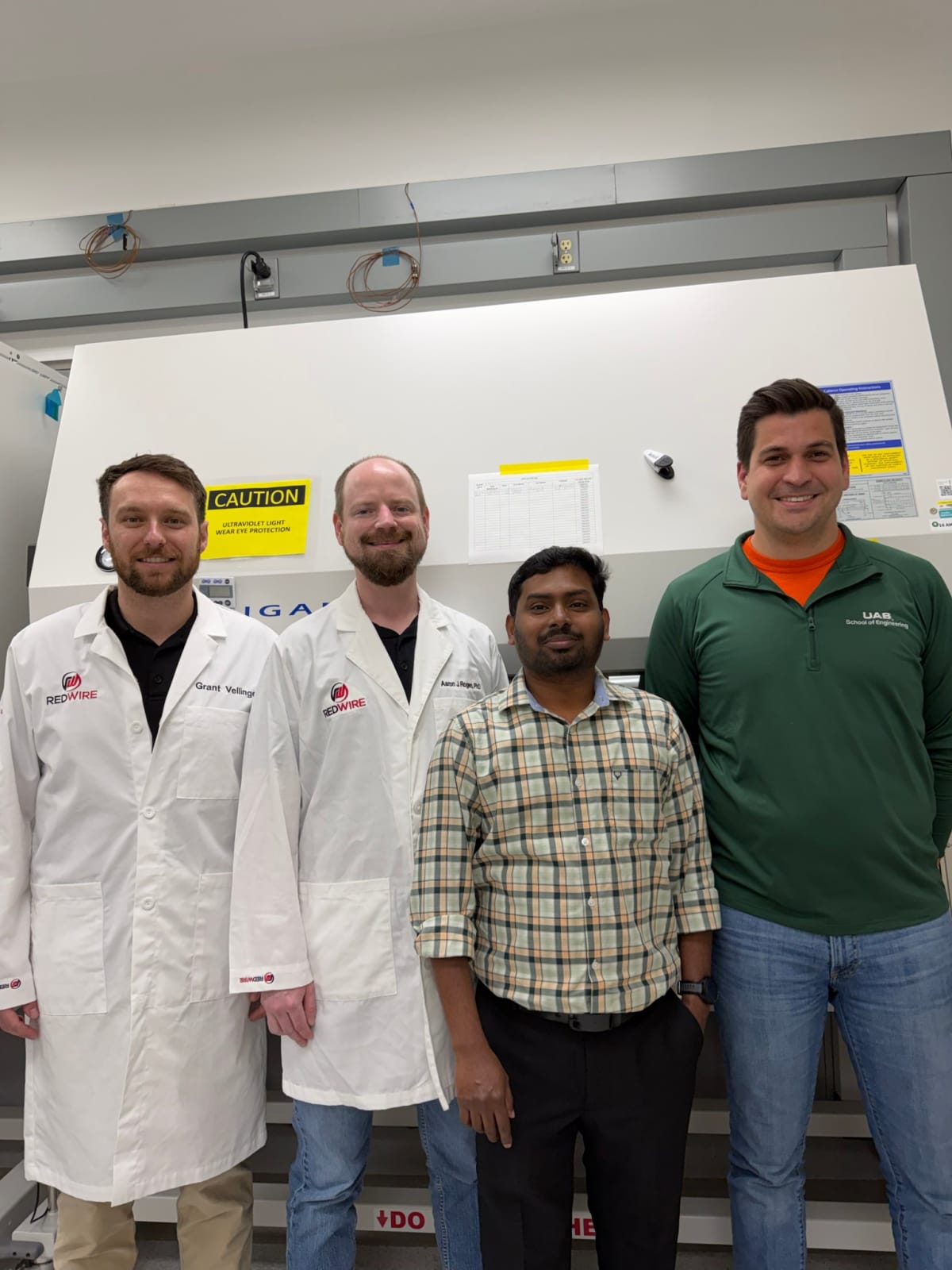
"By exacerbating the infection, we anticipate clear separation of the infection and control groups, making it easier to identify subtle factors that promote bacterial virulence," explains Dr. Palaniappan Sethu from the University of Alabama at Birmingham.
The stakes are enormous. Streptococcus pneumoniae causes community-acquired pneumonia, which kills millions worldwide every year. More than 25% of adults hospitalized for pneumonia develop heart disease afterward, even when the lung infection completely clears up.
Doctors have long been puzzled by this connection. A patient recovers, goes home, and months later faces heart problems seemingly out of nowhere.
The Ripple Effect
This research solves two problems at once. On Earth, it could help millions of pneumonia survivors avoid heart complications through early intervention or new treatments.
In space, it's preparing humanity for longer journeys. Dr. Carlos J. Orihuela, professor of Microbiology at UAB, notes the findings are "essential for ensuring human health during long duration space travel and for enabling sustainable habitation beyond Earth."
The space station has spent 25 years revealing how the human body and microbes respond beyond our planet. These experiments continue that legacy, turning the challenges of space into solutions for home.
By studying disease where it's amplified, researchers can pinpoint exactly which factors make infections severe. Those targets become potential treatments that could protect both astronauts on Mars missions and grandparents recovering from winter pneumonia.
The research transforms our biggest limitations into our greatest tools for healing.
More Images
Based on reporting by NASA
This story was written by BrightWire based on verified news reports.
Spread the positivity!
Share this good news with someone who needs it